
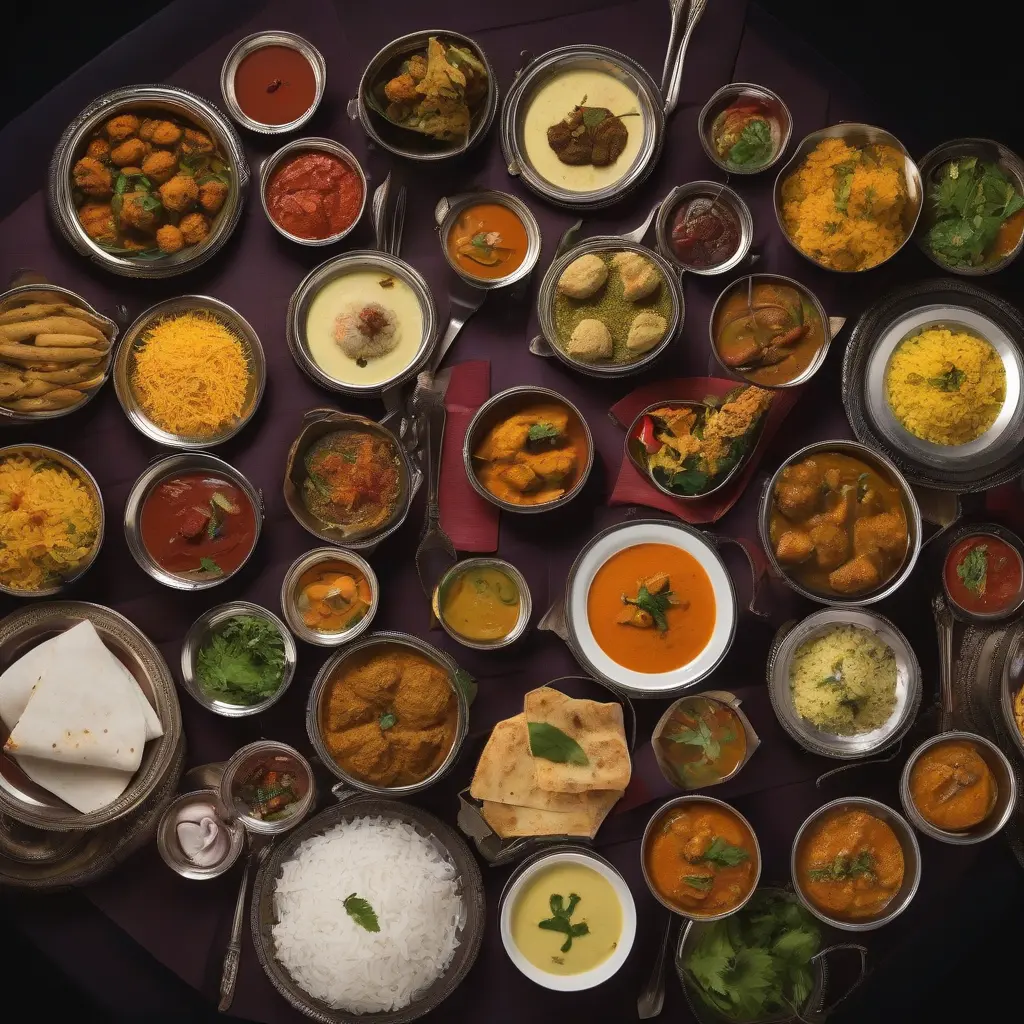
Indian cuisine is known for its diverse flavors, regional specialties, and vibrant ingredients. However, dining out can pose challenges for those with dietary restrictions. Understanding the variety of dishes available and familiarizing oneself with common ingredients helps ensure a positive dining experience. Whether you’re vegetarian, vegan, gluten-free, or adhering to other dietary needs, navigating Indian restaurants involves knowledge of traditional cooking methods and the ability to communicate your preferences clearly. With a little preparation, you can indulge in the rich culinary traditions of India while respecting your dietary limitations.
Understanding Indian Cuisine Basics
Indian cuisine is incredibly diverse, reflecting the country’s regional customs and cultures. Dishes vary significantly from North to South and East to West, incorporating unique ingredients and preparation methods. Common elements include an array of spices like cumin, coriander, and turmeric, which contribute to the distinct flavors. Staples such as rice and bread also play vital roles. While many dishes are vegetarian or vegan, some might contain dairy or gluten, making it essential to research before dining out. By grasping these basics, you can easily identify options suitable for your dietary needs.
Navigating Vegetarian and Vegan Options
India has a rich tradition of vegetarianism, influenced by cultural and religious beliefs. Many Indian restaurants offer extensive vegetarian and vegan options, from dishes like paneer butter masala to chana masala. However, it is crucial to specify your dietary preferences, as some vegetarian dishes may contain dairy products, like ghee or yogurt. Vegan-friendly choices include lentil soups, vegetable curries, and rice dishes. Dining out often provides the chance to explore plant-based flavors, making it an ideal cuisine for those adhering to vegetarian or vegan diets.
Gluten-Free Dining in Indian Restaurants
For those requiring gluten-free options, Indian cuisine can be accommodating since many traditional dishes are inherently gluten-free. Staples like rice, lentils, and various vegetable preparations are safe. However, some breads, such as naan and roti, contain gluten, so clarification is essential. Additionally, cross-contamination may occur in kitchens that handle wheat products. Always inform the restaurant staff of your gluten intolerance to allow for proper food preparation. Exploring gluten-free options may enrich your culinary adventure while dining out.
Handling Dairy Allergies and Lactose Intolerance
Dairy plays a prominent role in Indian cuisine, with ingredients like yogurt, ghee, and cream commonly used in many dishes. Individuals with dairy allergies or lactose intolerance need to approach dining carefully. While many dishes can be modified, it’s vital to ask about dairy content in popular items like curries and desserts. Gluten-free alternatives may substitute dairy, allowing you to enjoy traditional flavors without adverse reactions. Communicating effectively with restaurant staff about your allergies will greatly enhance your dining experience.
Spice Levels and Preferences
Spice is a hallmark of Indian cuisine, often varying dramatically from one region to another. While many love the heat, others may prefer milder options, making it imperative to communicate your spice tolerance to the staff. Inquiring about the level of heat in dishes can prevent uncomfortable dining experiences. Most Indian restaurants are willing to adjust spice levels upon request, making it crucial to explain your preferences clearly. This simple step can ensure a delightful culinary journey that aligns with your taste.
Understanding Popular Indian Dishes
Familiarizing yourself with popular Indian dishes can make navigating menus easier. Classics include biryani, which is often vegetarian or meat-based, and dal, a staple lentil dish. Other widely loved options are samosas, pakoras, and various curry preparations. Each dish may have multiple regional interpretations, providing various options to accommodate dietary restrictions. Understanding these favorites can help you make informed choices while dining out, ensuring you enjoy the richness of Indian flavors.
Communicating Dietary Needs Effectively
When dining in Indian restaurants, clear communication about your dietary needs is essential. Use simple phrases and, if possible, learn a few words in Hindi or the local language to convey your restrictions. Asking detailed questions about ingredients, preparation methods, and the presence of allergens will provide additional clarity. This open dialogue fosters a cooperative environment, helping the kitchen accommodate your preferences and ensuring a satisfying meal. Being proactive in communication enhances the likelihood of a positive dining experience.
Finding Restaurants that Cater to Dietary Restrictions
Research is vital when seeking out Indian restaurants that cater to dietary restrictions. Online reviews, menus, and restaurant websites often reveal insights into their offerings. Many modern eateries focus on inclusivity, providing specific options for gluten-free, vegan, or dairy-free diets. Social media and local food blogs can also serve as resources to locate suitable establishments. Prioritize venues that reflect transparency in ingredient sourcing and preparation practices for enhanced safety and enjoyment during your dining experience.
Exploring Regional Variations in Indian Cuisine
Exploring the regional variations within Indian cuisine enriches your dining adventure. North Indian cuisine typically features creamy curries and rich breads, while South Indian dishes focus on rice and lentil-based preparations. East India offers an array of seafood, and West India is celebrated for its spicier food culture. Each region’s specialties cater to different tastes and dietary preferences, making it essential to embrace the diversity. By exploring these regional differences, you can find options that align with your dietary needs while enjoying the flavors of India.
Tips for a Satisfying Indian Dining Experience
To enhance your dining experience, consider some crucial tips when visiting Indian restaurants. First, arrive prepared with knowledge of your dietary restrictions and be ready to ask questions. Second, order several small dishes to taste a variety of flavors and textures, making it easier to find suitable items. Third, don’t hesitate to provide feedback to the staff; they often appreciate insights on how they can better accommodate diners. Following these tips can ensure a fulfilling dining experience, rich with the flavors of Indian cuisine.
Conclusion
Navigating dietary restrictions while enjoying Indian cuisine can be rewarding with thoughtful planning and communication. By understanding the diversity of dishes, regional flavors, and available options, you can immerse yourself in this richly cultural dining experience. Prioritizing clear communication about your needs and preferences will facilitate a more enjoyable outing, allowing you to relax and savor the vibrant flavors India has to offer.