
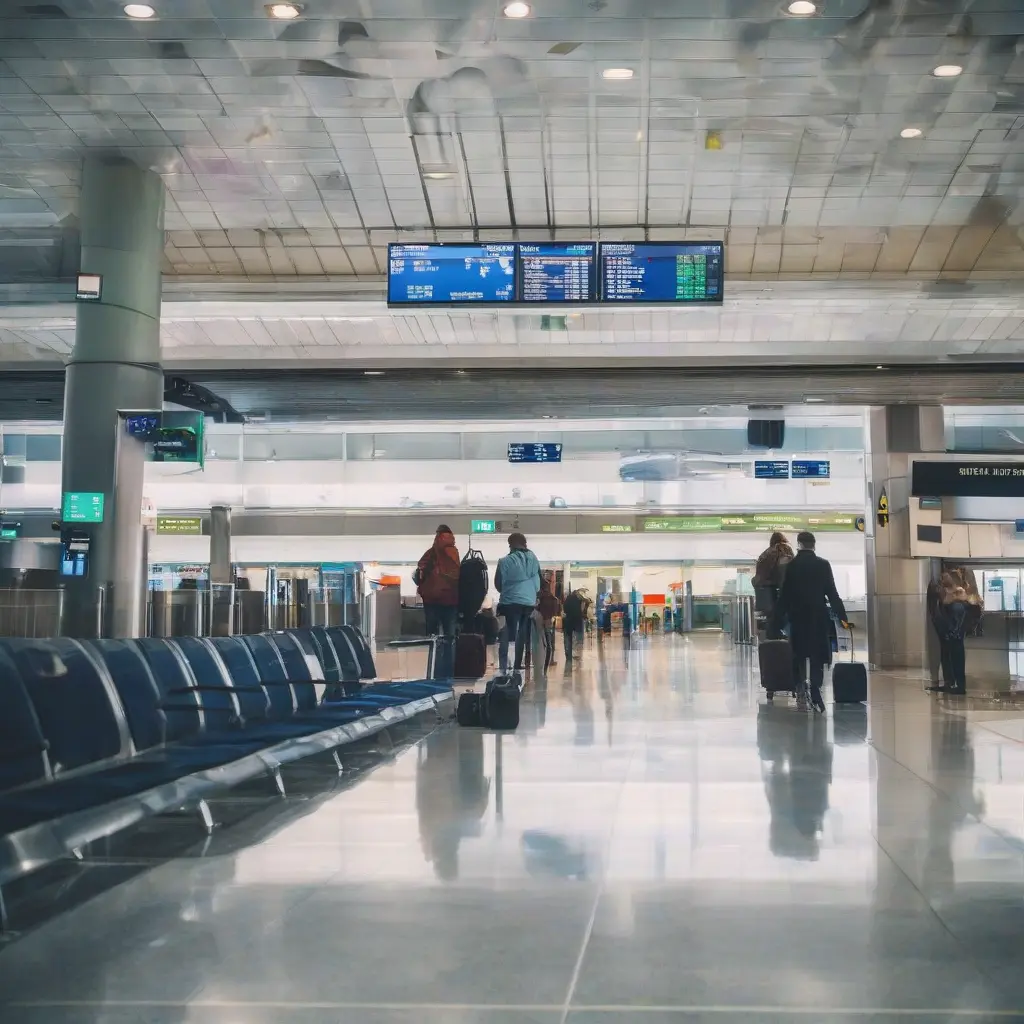
Flight cancellations can be stressful and disruptive, leaving travelers scrambling to find solutions. This guide provides a comprehensive step-by-step approach to navigating a canceled flight, ensuring that you know exactly what to do when the unexpected occurs. By following these guidelines, you can effectively manage your travel plans, understand your rights as a passenger, and seek compensation if applicable, helping you turn a frustrating situation into a manageable one.
Stay Calm and Assess the Situation
The first step when faced with a flight cancellation is to stay calm and assess the situation. Understand why your flight was canceled, whether due to weather, mechanical issues, or other reasons. This assessment will help you navigate your options more effectively. Check the airline’s website or app for real-time updates and information regarding alternative flights or arrangements. Maintaining your composure will allow you to think clearly and make more informed decisions.
Contact Your Airline Immediately
After assessing the situation, reach out to your airline as soon as possible. Airlines can become inundated with calls during mass cancellations, so timing is crucial. Use your mobile device or go directly to the airline’s help desk at the airport. Ideally, having your flight details ready can help expedite the process. Be persistent and polite while discussing your options, as customer service representatives are more likely to assist you if you remain calm.
Explore Alternative Travel Options
While waiting to speak with your airline, explore alternative travel options. Check nearby airports for available flights that might get you to your destination sooner. It’s sometimes possible to book a ticket with another airline if necessary. Additionally, consider different modes of transportation, such as trains or buses, depending on the distance. Your priority should be finding the fastest and most convenient route to minimize delays.
Know Your Passenger Rights
Understanding your passenger rights is crucial during a flight cancellation. Rights vary significantly based on the airline and location. In the U.S., for instance, airlines aren’t required to compensate travelers for cancellations caused by weather. Conversely, EU regulations may provide more extensive protection, including the potential for compensation for delays. Familiarizing yourself with these rights can help you assert your entitlements when negotiating with airlines.
Request Compensation or Rebooking
Once you’ve established your rights, request compensation or rebooking from your airline. Many airlines offer vouchers, meals, or accommodations during significant delays or cancellations. If the cancellation occurred on a flexible fare, inquire about rebooking options. Having documentation of your original ticket can help streamline this process. Always keep a record of any conversations and transactions in case you need to follow up later.
Utilize Travel Insurance
If you have purchased travel insurance, this is the time to utilize it. Review your policy to understand the coverage for trip interruptions and cancellations. Some policies may reimburse for additional accommodation and travel costs incurred due to a canceled flight. Contact your insurance provider promptly to begin the claims process, providing them with all necessary documentation to support your case.
Stay Informed with Alerts
As you navigate through a flight cancellation, staying informed is essential. Sign up for real-time alerts on your flight through your airline’s app or website. These alerts provide valuable information about any changes, including rebooking options and the potential for new flights. In addition, keep an eye on weather conditions or any relevant news that might affect your travel plans to adjust accordingly.
Document Your Experience
Documentation is vital when dealing with a flight cancellation. Keep all relevant paperwork, such as boarding passes, receipts for unexpected expenses, and any communication with the airline. This documentation will be essential if you decide to file a complaint or seek compensation later. Recording your experience will ensure you have the necessary information to support your claims effectively.
Consider Connecting Flights
If your canceled flight was part of a longer journey with connecting flights, it’s essential to evaluate your options for rebooking those segments. Depending on the airline’s policy, they may rebook the entire itinerary automatically without additional charges. If you find that the alternatives are not suitable, don’t hesitate to contact customer service for assistance in finding better options to continue your journey smoothly.
Prioritize Accommodations if Necessary
In instances where a flight cancellation leads to unexpected overnight stays, prioritizing accommodations is vital. If the airline does not provide hotel vouchers, research nearby hotels or lodging alternatives in the area. Look for options that offer flexible cancellation policies, especially since travel plans can change rapidly. Planning ahead ensures a smoother transition as you wait for your next travel opportunity.
Stay Flexible with Travel Plans
Flexibility becomes indispensable when your flight is canceled. Reassess your travel plans and be open to changing your dates or routes if needed. Certain airlines may offer options to push your travel dates without fees, allowing you to avoid added stress. Being adaptable can facilitate easier travel solutions and lead to a successful trip eventually.
Reach Out for Support
If you’re feeling overwhelmed by a canceled flight, don’t hesitate to reach out for support. Friends, family, or even travel forums can provide a sounding board for your frustrations. Engaging with fellow travelers online may offer new insights or helpful tips based on their experiences. Emotional support can make the process feel less daunting as you navigate this unexpected challenge.
Conclusion
Handling a canceled flight requires understanding and proactivity. By remaining calm and following a step-by-step approach, you can effectively manage the situation. Knowledge of your rights, exploring alternative options, and keeping thorough documentation will empower you to make informed decisions. In moments of disruption, being prepared can help you minimize stress and ultimately ensure a seamless travel experience.