Travel anxiety affects countless individuals, making even the most exciting trips feel overwhelming. Whether it’s fear of flying, concerns about logistics, or the pressure to have a perfect journey, these feelings can dampen the experience. Fortunately, there are practical strategies to help mitigate this anxiety. By understanding its triggers and incorporating effective coping mechanisms, travelers can achieve a calmer mindset. This guide will provide valuable tips on how to manage travel anxiety, ensuring your next journey is more enjoyable and less stressful.
Recognize Your Triggers
Understanding what specifically causes anxiety during travel is the first step towards managing those feelings. Triggers may include fear of heights, claustrophobia while on planes, or concerns about delayed flights. Identifying these concerns allows travelers to develop targeted strategies. For instance, if uncertainty about travel plans raises anxiety, creating a detailed itinerary can alleviate fear. Awareness of individual triggers provides a framework for coping methods, enabling travelers to proactively address feelings as they arise.
Plan Ahead
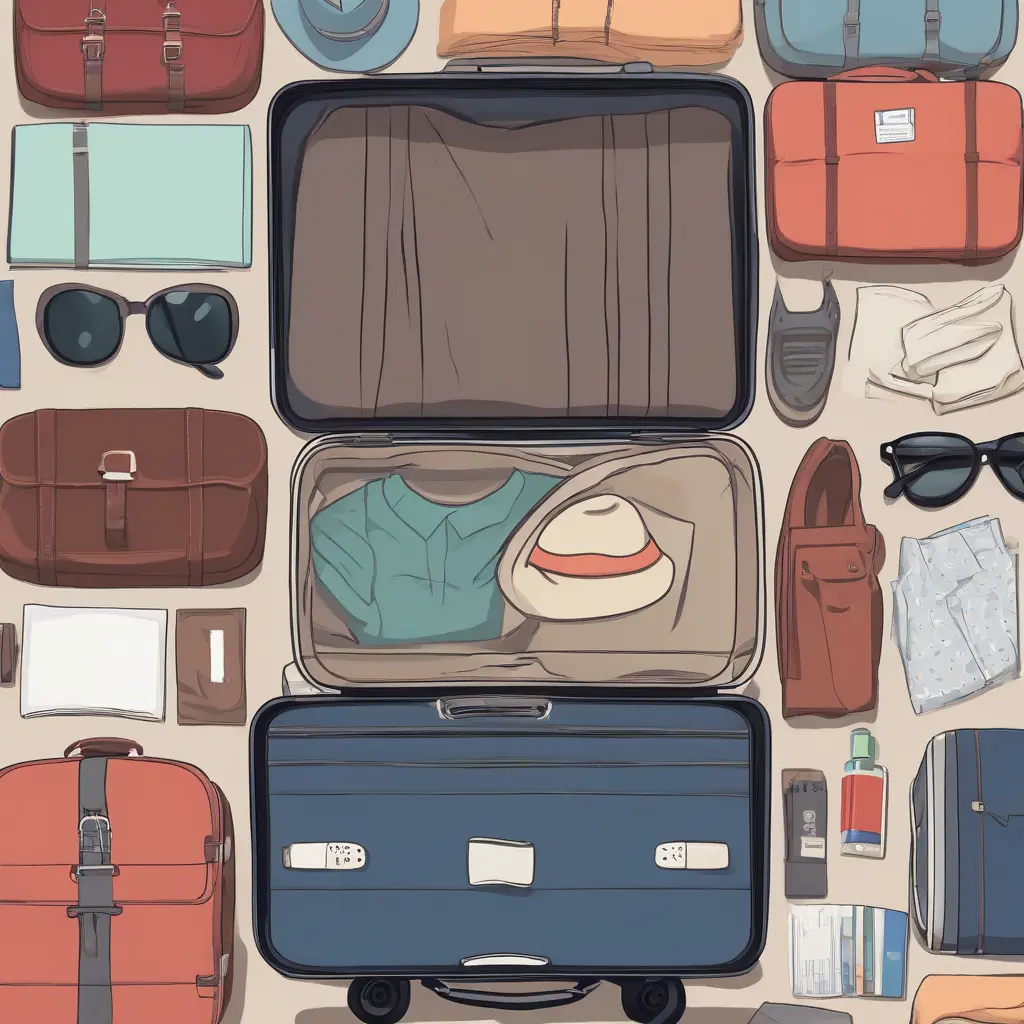
One effective way to combat travel anxiety is through thorough planning. This involves researching your destination, booking accommodations, and outlining transportation options. When you know the specifics of your journey, including potential delays and alternate routes, it reduces uncertainty, a common source of anxiety. Additionally, packing well in advance allows you to organize essential items and documents, minimizing last-minute stress. Preparing for the unexpected, like knowing local emergency contacts, further enhances feelings of security during travel.
Practice Mindfulness Techniques
Incorporating mindfulness techniques can significantly reduce travel anxiety. Practices such as deep breathing, progressive muscle relaxation, or guided imagery can help center your thoughts and calm your mind. For example, focusing on your breath for a few minutes can slow your heart rate and shift your attention away from anxiety-inducing thoughts. Consider downloading mindfulness apps or listening to calming music while traveling, creating a peaceful atmosphere. Regular mindfulness practice, even before your journey, strengthens your coping skills and promotes a sense of calm.
Utilize Support Systems
Having a support system in place can significantly alleviate travel anxiety. This can include friends or family members who understand your challenges and can provide reassurance during travels. Open communication about your feelings and fears allows them to offer comforting words or even accompany you on your journey. Additionally, seeking support from travel-related online communities can provide insights from others who have faced similar experiences. Sharing coping strategies or tips can be empowering and help normalize your feelings.
Implement Visualization Techniques
Visualization is a powerful tool to combat travel anxiety. By mentally rehearsing a successful journey, you can create a positive mindset that enhances your readiness for travel. Imagine yourself at the airport, going through security, boarding the plane, and enjoying your destination seamlessly. This mental practice can help diminish fear and anxiety by fostering familiarity with the travel process. Engaging in visualization exercises several times before the trip can maximize their effectiveness, enabling you to approach travel with greater confidence.
Stay Informed About Your Destination
Knowledge about your destination can substantially reduce anxiety levels. Familiarizing yourself with local customs, language basics, and emergency procedures can ease concerns about unexpected situations. Understanding transportation options, popular attractions, and safety tips allows for smoother navigation once you arrive. Additionally, perusing travel blogs or local news can provide insights into current events affecting the area, keeping you well-prepared and less anxious about unforeseen circumstances. Being informed empowers travelers and builds confidence in their ability to adapt.
Use Travel Apps for Convenience
Modern travel apps can be invaluable tools for managing travel anxiety. These apps streamline various aspects of travel, from booking flights to organizing itineraries. Real-time updates on flight status, gate changes, and delays can help mitigate uncertainty, providing clarity during the journey. Furthermore, apps that offer city guides and maps facilitate navigation in unfamiliar places. By having all necessary information and tools at your fingertips, travelers can feel more in control, significantly reducing anxiety levels associated with confusion and unpredictability.
Consider Seeking Professional Help
For those who find that travel anxiety disrupts their ability to travel, seeking professional help may be necessary. Therapy, particularly cognitive behavioral therapy (CBT), can effectively address irrational fears and develop coping mechanisms. A trained therapist can provide personalized strategies and support to help you face your anxieties. Additionally, discussing your concerns with a doctor can lead to solutions such as medication for situational anxiety. Professional guidance can empower travelers, enabling them to enjoy their journeys without fear holding them back.
Embrace Self-Care Practices
Engaging in self-care practices before and during your travels can help manage anxiety effectively. Prior to your trip, ensure good sleep, balanced nutrition, and regular physical activity to support your mental well-being. During travel, prioritize relaxation and comfort, even if it’s as simple as wearing loose clothing or taking quiet moments for yourself. Incorporating small pleasures, such as enjoying a favorite snack or reading a book, can enhance your experience. By treating yourself with kindness, you create a more enjoyable atmosphere, making it easier to cope with stressors.
Limit Information Overload
While research is crucial for successful travel, it’s easy to become overwhelmed by excessive information. Too many travel tips and guides can create confusion and amplify anxiety, especially if they contain conflicting advice. To avoid information overload, focus on a few reputable sources that align with your travel style and needs. Limit your research to essential aspects of the trip, rather than trying to learn everything. Clear, concise information can enhance your confidence and readiness without contributing to feelings of being overwhelmed.
Stay Flexible and Open-Minded
Travel often involves unexpected changes, which can heighten anxiety. Cultivating a flexible mindset allows you to adapt more easily to new situations. Approach your journey with an open mind, embracing spontaneity when plans need to shift. Techniques such as reframing negative thoughts can transform potential stressors into learning experiences. Viewing challenges as opportunities can foster resilience, promoting a more positive travel experience. Remember that unexpected moments often become the most memorable parts of a trip, enriching your overall journey.
Conclusion
Managing travel anxiety is entirely possible with the right strategies and mindset. By recognizing triggers, planning ahead, and utilizing support systems, you can create a calmer travel experience. Incorporating mindfulness techniques and engaging in self-care ensures a balanced approach to managing anxiety. Above all, cultivating flexibility and a positive outlook will help you embrace the adventure of travel, allowing you to enjoy every journey to its fullest potential.