
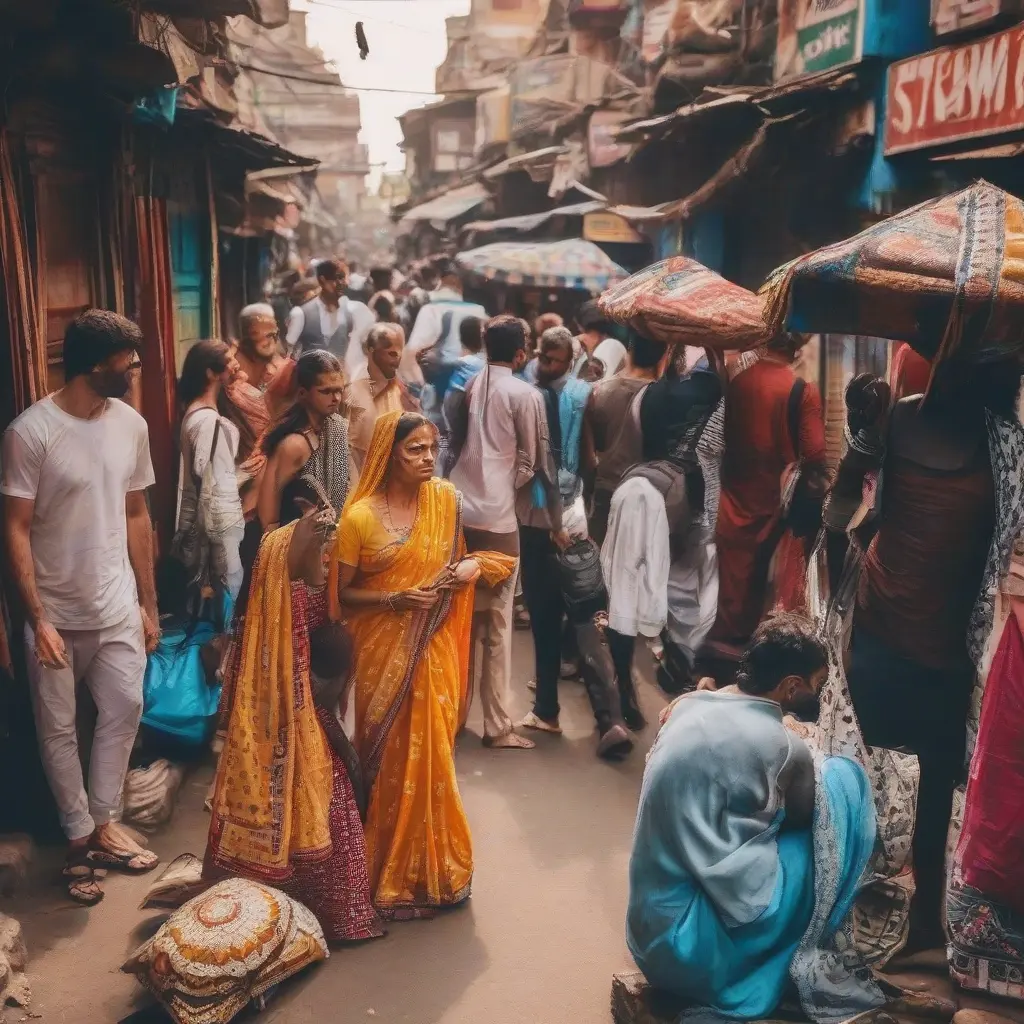
Traveling to India can be a vibrant and enriching experience, but it often comes with the challenge of cultural shock. As you navigate bustling streets, diverse languages, and rich traditions, understanding how to cope with these changes is crucial for a pleasant trip. Cultural shock may manifest as confusion, frustration, or even anxiety as you adjust to unfamiliar customs and social norms. This article provides practical tips to help travelers manage cultural shock effectively, ensuring a more enjoyable journey through one of the world’s most fascinating countries.
Understand the Cultural Differences
To effectively manage cultural shock, it’s essential to familiarize yourself with the cultural differences you may encounter in India. Understanding the social norms, customs, and values is vital as India is home to a wide array of languages, religions, and traditions. Key aspects include the significance of family structures, the importance of hospitality, and the nuances of body language. Acknowledging these differences can help you adapt and appreciate the rich tapestry of Indian culture, making it easier to navigate social interactions without feeling overwhelmed.
Learn Basic Local Phrases
Language barriers can complicate travel experiences, contributing to feelings of isolation and frustration. Learning a few basic phrases in Hindi or the local dialect can go a long way in easing communication. Simple greetings, expressions of gratitude, and polite requests can not only facilitate interactions but also show respect for the local culture. Additionally, many Indians appreciate the effort foreigners make to speak their language, which can lead to warmer receptions and greater willingness to assist you during your travels.
Stay Open-Minded and Flexible
Being open-minded and flexible is crucial when dealing with cultural shock. India is a land of contrasts where plans may change unexpectedly due to various factors, including weather, traffic, or cultural events. Embracing this unpredictability can lead to enriching experiences and new opportunities to engage with locals. Instead of viewing unexpected changes as inconveniences, try to approach them with curiosity and a willingness to adapt. This mindset can transform challenges into valuable lessons that will enhance your understanding of Indian culture.
Embrace Local Food and Cuisine
Food is a significant part of Indian culture and offers an excellent opportunity for cultural immersion. Trying local dishes can be a delightful and transformative experience, but it’s important to approach this adventure with care. Start with milder options if you’re not used to spicy foods, and always ensure you eat from hygienic places to avoid health issues. Engaging with local cuisine not only introduces you to various flavors but also allows you to connect with locals who may share their stories and traditions related to the meals.
Participate in Local Customs and Festivals
Participating in local customs and festivals can significantly reduce feelings of cultural shock and enhance your travel experience. India is known for its vibrant festivals, such as Diwali, Holi, and Eid, which offer a unique insight into the country’s rich traditions. Engaging in these celebrations can help you feel connected to the community while fostering a deeper appreciation for the diverse cultural practices found throughout the country. This participation not only promotes cultural understanding but also creates unforgettable memories during your visit.
Connect with Other Travelers
Forming connections with other travelers can provide support and shared experiences that alleviate feelings of cultural shock. Whether you meet fellow travelers in hostels, online forums, or social media groups, discussing your experiences can lead to valuable insights and coping strategies. Sharing stories about challenges faced can foster community and help normalize feelings of discomfort. This camaraderie allows for exchanging recommendations and tips that can make your travels smoother and more enjoyable, enhancing your overall experience in India.
Practice Mindfulness and Self-Care
Managing cultural shock requires an awareness of your emotional and mental state, making mindfulness and self-care essential tools. Take time to assess how you are feeling as you navigate new situations and environments. Engage in activities that ground you, such as meditation, journaling, or simply taking quiet walks. Creating a routine that incorporates self-care will allow you to recharge and reflect on your experiences, ultimately fostering a more positive mindset. Being attuned to your feelings and addressing them will enable you to better cope with challenges and embrace your journey in India.
Seek Local Guidance and Support
Don’t hesitate to seek guidance from locals or even from fellow travelers regarding cultural practices and behaviors. Engaging with local guides or joining organized tours can provide structured support as you adjust to new experiences. They can offer insights and tips that can help you navigate challenging situations, easing feelings of overwhelm. Additionally, local contacts can introduce you to hidden gems and help you avoid tourist traps, ultimately enhancing your travel experience while providing a sense of security.
Conclusion
Managing cultural shock while traveling in India can be a challenging yet rewarding experience. Embracing the local culture, staying open-minded, and seeking connections can transform feelings of discomfort into opportunities for personal growth and understanding. By employing these coping strategies, you’ll be better equipped to enjoy the vibrant and diverse experiences that India has to offer, making your journey not only memorable but also enriching.