
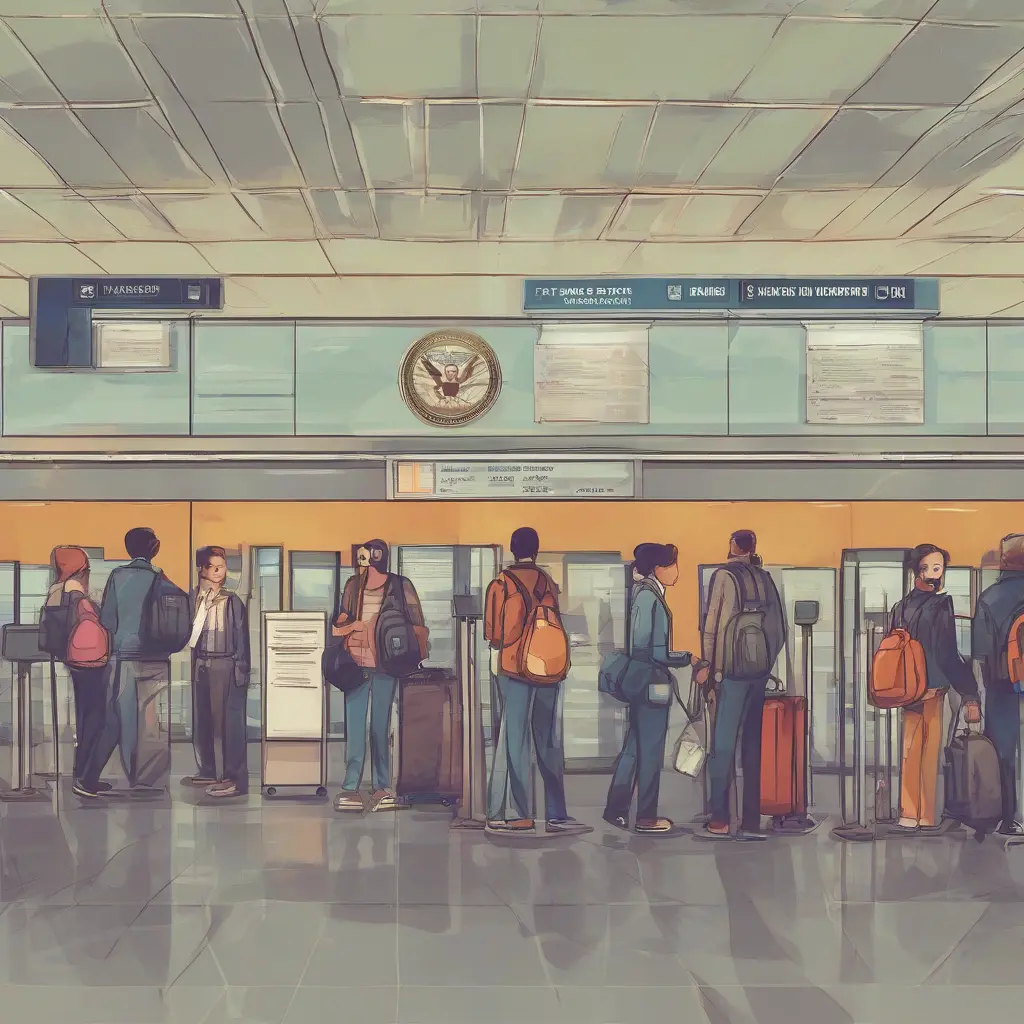
Traveling abroad can be an exciting venture, but navigating customs and immigration can be daunting for many travelers. Understanding what to expect can help alleviate stress and ensure a smooth entry. From essential documentation to security checks, being prepared is key to efficient processing at international borders. This guide provides vital information on customs and immigration procedures, helping you confidently traverse your journey from arrival to visa checks.
Understanding Customs and Immigration
Customs and immigration are crucial components of international travel. Customs primarily deals with regulating the flow of goods, ensuring that prohibited items do not enter a country. Immigration, on the other hand, focuses on the entry and exit of individuals. Travelers must often present identification and meet specific entry requirements. Being aware of both processes will prepare you for potential questions and paperwork, making your entry much smoother.
Essential Documents Needed for Entry
Having the right documentation is vital for smooth passage through customs and immigration. Typically, travelers need a valid passport, which should be valid for at least six months beyond the date of entry. Additionally, visas may be required depending on your nationality and destination. Other important documents include proof of onward travel, accommodations, and any required health certificates. Ensuring that all documents are in order will minimize delays at the border.
What to Expect During Security Checks
Security checks at customs include a series of inspections designed to ensure safety. Travelers should expect to place their luggage and carry-on items through X-ray machines. Personal items may be searched, and travelers may be asked to pass through metal detectors. It’s advisable to follow instructions promptly and cooperate with security officials to facilitate a swift process. Understanding that these measures are in place for safety can help maintain a positive attitude during any delays.
The Customs Declaration Process
Upon arrival, travelers often need to fill out a customs declaration form. This document typically asks about your travel history, the items you are bringing into the country, and their value. Specific guidelines dictate limits on how much currency and goods you can bring. It’s important to be honest and precise when completing the declaration. Failure to do so can lead to fines or confiscation of items, so understanding this process is critical.
Dealing with Customs Inspections
Customs inspections involve officials checking your luggage for contraband or items that may be subject to duty. This can include anything from food products to high-value electronics. Be aware that certain countries have strict regulations regarding what can be imported. If selected for inspection, remain calm and comply with the customs officer’s requests. Being informed about the regulations beforehand can significantly ease the process.
Understanding Visa Requirements
Visa requirements can vary significantly by destination and nationality. Some countries allow visa-free entry for short stays, while others require travelers to secure a visa in advance. It’s important to research specific visa regulations before your trip. Ensure that you apply for any necessary visas well ahead of your travels to avoid any last-minute issues. Ignorance of visa policies can lead to denied entry, making it crucial to stay informed.
What to Do If You Encounter Issues
Occasionally, travelers may encounter issues at customs or immigration, such as detained belongings or additional questioning. In such cases, remain calm and respectful while explaining your situation. It can be helpful to have supporting documents ready, such as receipts or health records. If necessary, ask to speak with a supervisor or travel support services. Maintaining a polite demeanor can often help resolve issues more efficiently.
Navigating Language Barriers
Language barriers can pose challenges at customs and immigration checkpoints. In many international airports, officials are trained to speak multiple languages; however, misunderstandings can still occur. Consider downloading translation apps to facilitate communication. Also, carrying a printed card with important phrases or instructions in the language of your destination can be beneficial. Being proactive in addressing potential language difficulties can reduce stress during your travels.
Tips for a Smooth Customs Experience
To enhance your customs experience, consider a few best practices. Plan to arrive early at airports to afford ample time for processing. Dress appropriately to simplify security checks, as certain clothing can trigger additional inspections. Organizing your documents beforehand can quicken the process. Additionally, remain patient and cooperative, as customs officials perform essential work, ensuring the safety of all travelers. Following these tips can lead to a smoother travel experience.
Understanding Rights as a Traveler
Travelers should be aware of their rights when passing through customs and immigration. You have the right to ask questions regarding procedures and seek clarification. If you feel your rights are being violated, you can request to speak with a supervisor. Familiarize yourself with the entry laws of your destination to stay informed about your rights as a traveler. Understanding these can empower you to navigate situations more effectively.
Conclusion
Navigating customs and immigration procedures is a fundamental aspect of international travel. By preparing thoroughly, understanding documentation requirements, and knowing what to expect, travelers can significantly reduce stress during their journey. Awareness of rights, effective communication, and cooperation with authorities will ensure a smoother experience. Ultimately, being informed and ready is the best way to embrace adventure confidently.