
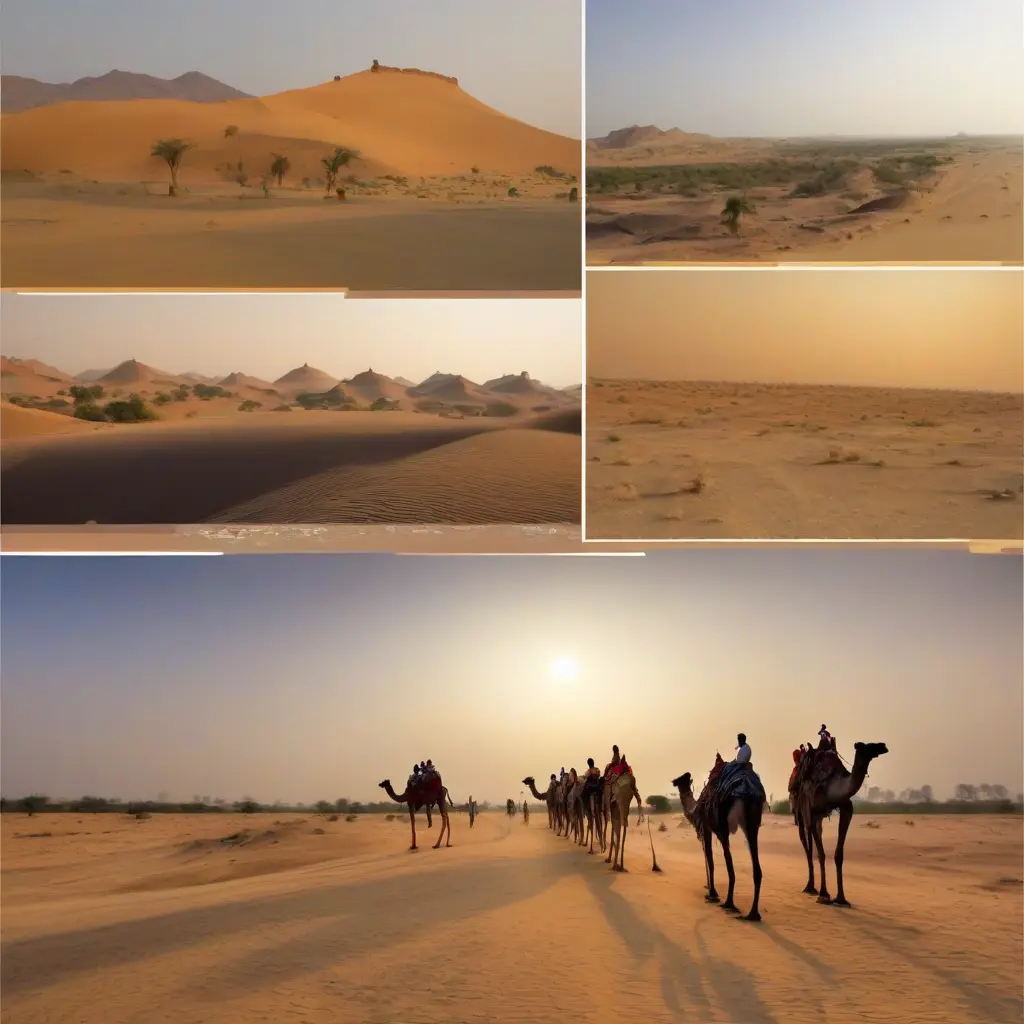
Traveling through India’s desert regions offers a unique and captivating experience, presenting travelers with stunning landscapes, rich culture, and unforgettable adventures. However, the harsh environment can pose various challenges. Proper preparations and an understanding of safety measures are essential for navigating these vast areas successfully. In this article, we will explore essential tips for traveling through the desert regions of India, ensuring that you have a safe and enjoyable journey while embracing the beauty of this remarkable landscape.
Research the Desert Regions
Before embarking on your journey, it’s crucial to research the specific desert region you will be visiting. India is home to the Thar Desert in Rajasthan, which is known for its vibrant culture and striking sand dunes, as well as the white salt desert of Rann of Kutch in Gujarat. Each area offers different experiences, attractions, and climatic conditions. Understanding the geography, local customs, and points of interest will enhance your experience and help you plan effectively for sightseeing and cultural interactions.
Best Time to Visit
Timing your visit is essential when traveling to India’s desert regions, as temperatures can vary widely throughout the year. The ideal time to visit is from October to March when the climate is relatively cooler and more pleasant. During these months, temperatures are manageable for daytime activities, and the nights are cooler, allowing for comfortable camping or adventure experiences. Traveling during the summer months can be quite challenging due to extreme heat, making it less enjoyable for outdoor exploration.
Pack Appropriate Clothing
Packing suitable clothing is vital for comfort and protection against the harsh conditions of desert regions. Lightweight, breathable fabrics that cover your skin are recommended to shield against both the sun’s rays and fluctuating temperatures. Layering is essential; during the day, light clothing keeps you cool, while warmer layers are necessary for cool nights. A wide-brimmed hat, sunglasses, and a scarf can also protect your face and neck from sunburn and sandstorms, ensuring a more pleasant experience.
Stay Hydrated
Dehydration is a significant risk in desert environments, making it crucial to maintain proper hydration throughout your journey. Carry a refillable water bottle and aim to drink at least two to three liters of water per day, especially during physically demanding activities. Some travelers often overlook the need for hydration, but the arid climate and hot temperatures can lead to rapid fluid loss. Keep an eye out for signs of dehydration, such as dizziness or fatigue, and take regular breaks to drink water.
Sun Protection Tips
In desert regions, sun exposure is intense, making sun protection vital for your skin’s safety. Apply a broad-spectrum sunscreen with at least SPF 30 to exposed skin and reapply every two hours, especially after sweating. Consider wearing UV-protective clothing or using a lightweight blanket or shawl to shield your skin. Additionally, seek shade during the peak sun hours, typically between 10 AM and 4 PM, to minimize sun-related risks and prevent sunburn.
Health Precautions and First Aid
Being aware of potential health issues is critical in desert areas. Ensure vaccinations are up to date and carry a basic first aid kit that includes essential items such as antiseptic wipes, band-aids, pain relievers, and any personal medications. Additionally, familiarize yourself with common symptoms of heatstroke and heat exhaustion, as they can occur in extreme temperatures. Knowing how to react to these situations can make a significant difference in ensuring your safety during your travels.
Navigational Tools
Having reliable navigational tools is crucial for safely exploring remote desert regions. A physical map and compass are essential backups to your digital devices, as signal and battery issues may arise in isolated areas. Consider downloading offline maps and utilizing GPS apps to assist in your navigation. It is advisable to inform someone of your travel plans and estimated return time, ensuring that someone is aware of your whereabouts in the event of unexpected challenges.
Local Customs and Etiquette
Understanding local customs and etiquette is vital when traveling through India’s desert regions. Respect for local traditions and cultures enhances your experience and fosters positive interactions with residents. Be mindful of dress codes, particularly when visiting religious sites or local homes. Speaking a few words in the local language or greeting residents with humility can go a long way in building rapport. Always ask permission before taking photographs of people or sacred sites to ensure respect for their customs.
Transportation Options
Traveling within desert regions may require different transportation options based on your itinerary. While public transport exists, consider renting a vehicle for more flexibility and access to remote locations. Jeep safaris and camel rides are popular ways to explore the desert landscape, creating memorable experiences while providing insight into local life. Ensure that any vehicle you rent is well-maintained and suitable for the terrain, and check local traffic regulations and safety guidelines before setting out.
Food and Water Safety
When traveling in desert areas, food and water safety should be a priority to avoid health issues. Drink bottled water from reputable sources, as tap water may not be safe for consumption. Additionally, opt for freshly cooked meals from known establishments rather than street food, which can be risky. Be cautious with raw vegetables and fruits that cannot be peeled, as they may harbor contaminants. Taking these precautions will help you enjoy your culinary experiences without health complications.
Cultural Experiences and Activities
India’s desert regions offer diverse cultural experiences and activities to engage travelers. Participate in local festivals, which often feature traditional music, dance, and vibrant clothing, providing insight into the region’s rich heritage. Consider staying in desert camps to experience the local way of life and partake in activities like sandboarding, desert safaris, and stargazing. Engaging with local artisans also presents an opportunity to learn about traditional crafts, making your travel experience more enriching and memorable.
Conclusion
Traveling through India’s desert regions presents unique challenges and enchanting experiences. By following the essential preparation and safety tips outlined in this guide, you can navigate the vast landscapes while enjoying the local culture, cuisine, and natural wonders. With proper planning, you can create unforgettable memories in one of the world’s most captivating destinations.