
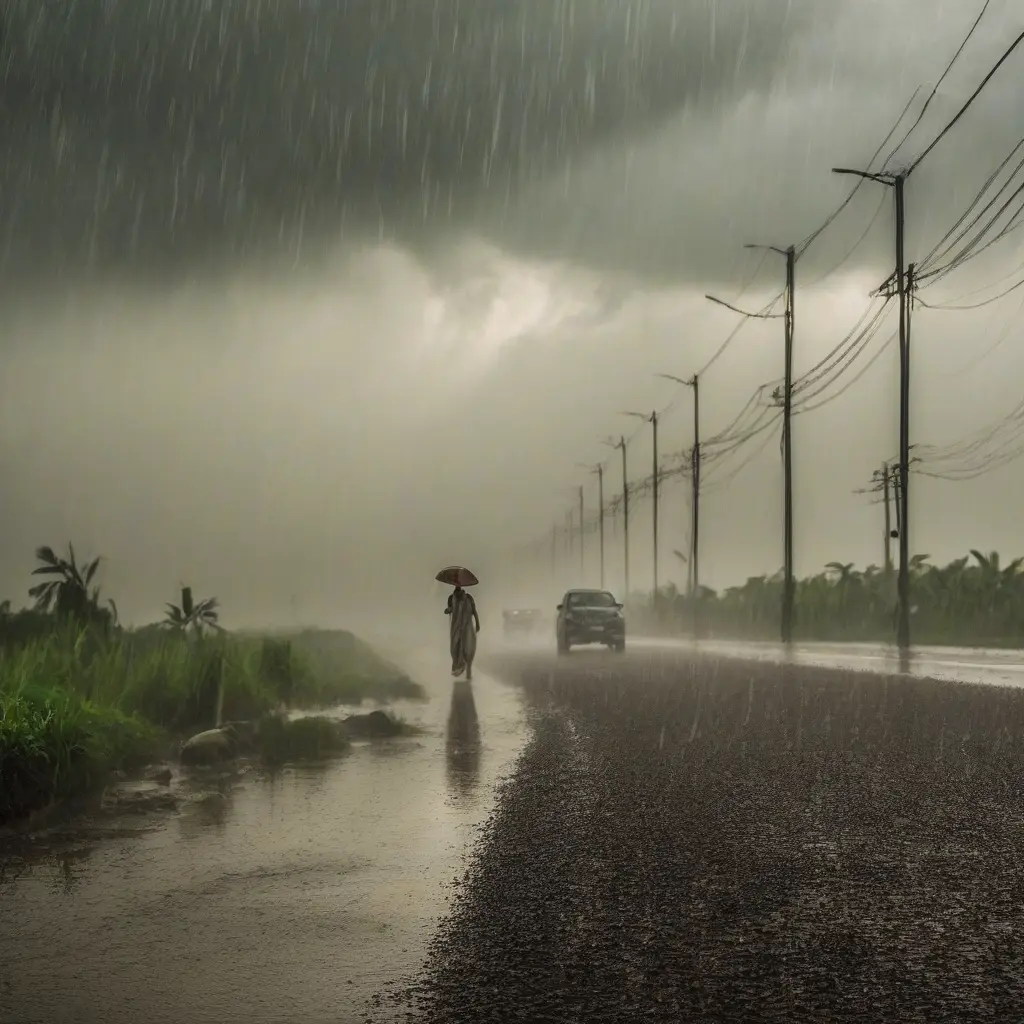
Traveling in India’s diverse climate can be challenging, especially during the monsoon and extreme heat seasons. These weather extremes require careful planning to ensure a safe and enjoyable trip. Whether you’re exploring the lush landscapes drenched in rain or enduring the sweltering summer heat, being equipped with the right tips and insights can make your experience more pleasant. From choosing the right time for your visit to packing appropriately, understanding local customs, and knowing where to find shelter, this guide prepares you for all weather conditions while traveling across India.
Understanding India’s Monsoon Season
India’s monsoon season typically runs from June to September, bringing heavy rainfall and humidity to various regions. The southwest monsoon primarily affects the western coast and northeastern states, while parts of North India experience sporadic showers. This time is crucial for agricultural practices, but travelers should prepare for challenges such as flooded roads, landslides, and disrupted transport services. Staying updated on weather forecasts and understanding local conditions can help significantly when planning your journey during this season.
When to Visit India
The ideal time to travel to India generally falls between October and March, when temperatures are more tempered and rainfall is minimal. However, if you have to travel during the monsoon, consider visiting regions that are less affected or famous for their lush beauty post-rain, like Kerala. Conversely, June through August might be the wrong choice if heat is your primary concern. Researching regional climates can greatly affect your travel plans and the activities you enjoy throughout your trip.
Packing Essentials for Monsoon Travel
Packing wisely is essential for navigating the monsoon season in India. Key items include lightweight, quick-dry clothing, waterproof footwear, and an umbrella or rain jacket. Compact, moisture-wicking fabrics are highly recommended, as they help you stay dry and comfortable. Furthermore, carrying a waterproof bag for your electronics and important documents is crucial to protect them from unexpected downpours. Don’t forget to include a basic first-aid kit and any personal medications, as access to pharmacies may be limited in rural areas during heavy rains.
Health and Safety During Monsoon
Traveling during the monsoon season poses unique health risks, such as increased exposure to waterborne diseases. To safeguard your health, avoid drinking tap water and opt for bottled or filtered water instead. It’s also wise to eat freshly cooked meals to avoid foodborne illnesses. Keep insect repellent on hand, as mosquitoes thrive in humid conditions, and consider vaccinations or preventive medications for diseases like malaria. Staying informed about local health advisories can further aid in maintaining your health and safety.
Navigating Heat Waves in India
The summer months in India, primarily April to June, can be extremely hot, with temperatures soaring beyond 40°C (104°F) in many regions. Heat waves pose their own challenges for travelers, making it crucial to stay hydrated and avoid outdoor activities during peak sun hours. Wearing light, breathable fabrics helps reflect sunlight while keeping you cool. Additionally, ensuring access to shaded areas and air-conditioned places can significantly enhance your comfort while exploring India’s beautiful attractions.
Sun Protection Tips
Effective sun protection is essential when traveling in India’s heat. Apply broad-spectrum sunscreen with a high SPF on all exposed skin, and reapply every two hours, especially after swimming or sweating. Wearing a wide-brimmed hat and sunglasses can further reduce sun exposure. Additionally, seek out shaded areas whenever possible and travel with a reusable water bottle to ensure you stay hydrated throughout the day. Implementing these sun protection strategies will help you enjoy your travels while minimizing sun-related risks.
Local Travel Considerations
When moving around India during extreme weather, be mindful of local customs and travel conditions. Public transportation may face delays or cancellations due to heavy rainfall or traffic disruptions in cities during monsoon season. For summer, consider early morning or late evening travel to avoid the heat. Always keep an eye on local news for potential weather alerts, and be flexible with your travel itinerary to accommodate sudden changes due to weather extremes or natural occurrences.
Enjoying Monsoon Experiences
The monsoon season offers unique experiences that can greatly enrich your travels in India. Festivals celebrating the rain, such as Teej and Onam, showcase local culture and traditions. Additionally, cities like Mumbai and Kerala are particularly stunning during monsoon, with lush greenery and rejuvenated landscapes. Embrace nature by visiting waterfalls and lakes, where the rains bring about stunning views. Taking part in local celebrations and activities provides a deeper understanding of how people adapt and celebrate despite the challenges presented by the monsoon.
Exploring Monsoon Cuisine
Monsoon season in India is also a time for delightful culinary experiences. Street food, such as bhaji (fried vegetable fritters) and hot masala tea, becomes especially popular during the rains. Engaging in local food tours or visiting regional restaurants can introduce you to dishes that are traditionally enjoyed during the monsoon. However, ensure that you choose clean, reputable places to avoid foodborne illnesses. Exploring the flavors of monsoon cuisine can enhance your travel experience while allowing you to connect with local culture.
Conclusion
Traveling during India’s monsoon and heat waves can be challenging, yet it offers a wealth of experiences for the adventurous traveler. Proper preparation, packing, and being aware of local conditions are crucial for a safe journey. By following these tips, you can enjoy the vibrant culture, stunning landscapes, and rich culinary delights that India has to offer, regardless of the weather extremes.