
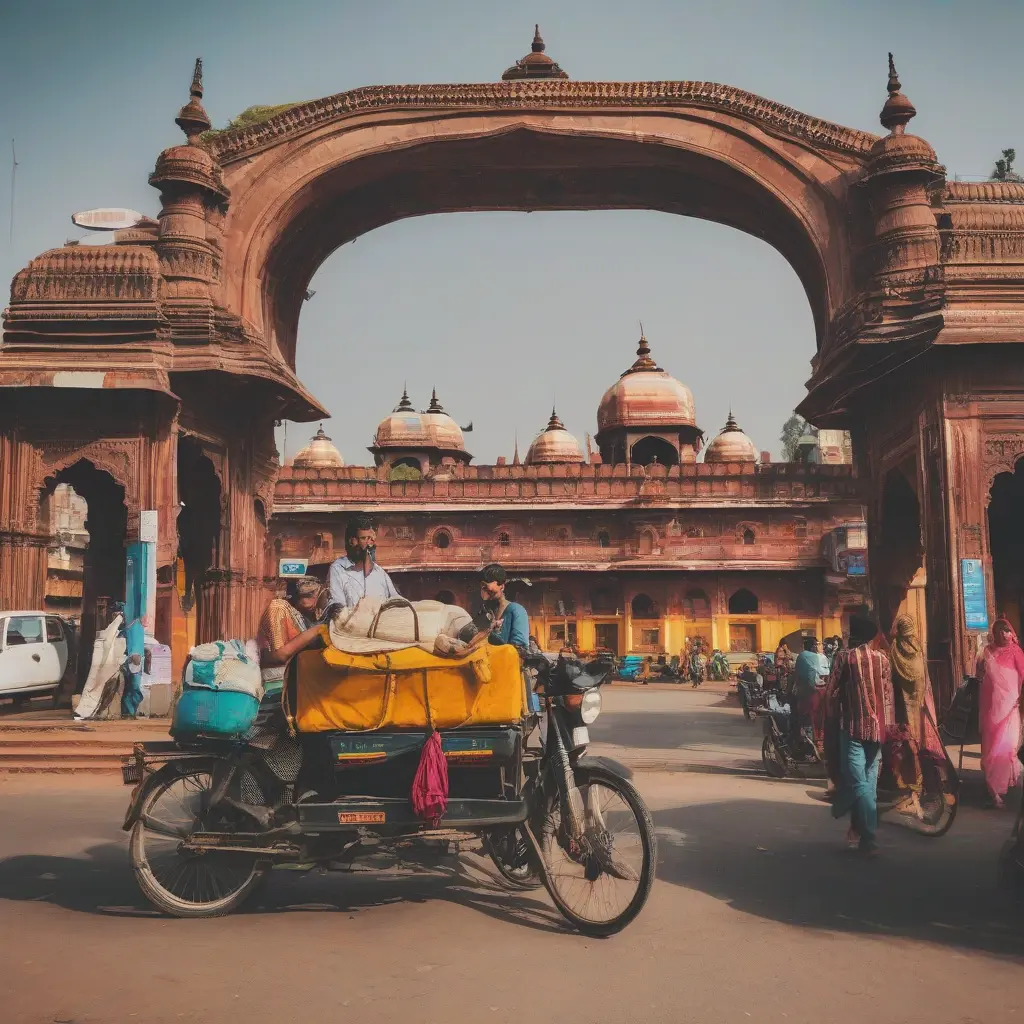
Traveling across India offers a unique experience due to its extensive and varied transportation options. From bustling cities to tranquil villages, the modes of transport range from traditional to modern, catering to all types of travelers. Understanding these options can enhance your journey, making it not just a means to an end but a part of your adventure. Whether you wish to navigate the intricate urban landscape or venture into rural areas, knowing how to get around efficiently can save time and bring you closer to the heart of what India has to offer.
The Convenient Reach of Indian Railways
Indian Railways is one of the largest and most popular forms of transportation in the country. Covering vast distances, it connects major cities, towns, and rural areas, making it an attractive option for travelers. With an extensive network of trains, including local trains, express trains, and luxury trains, there’s a journey for every budget. Along with affordable ticket prices, the railways also offer different classes of travel to suit diverse needs. Travelers can experience beautiful landscapes, local cultures, and even enjoy onboard meals as they traverse the country.
Buses: Affordable and Accessible Travel
Buses are another primary mode of transportation in India, serving both intercity and intracity travel. Government-operated and private buses provide extensive routes that can take you from cities to remote villages. They are economical and often operate on flexible schedules, accommodating various travelers. For comfort, many states also offer sleeper and luxury buses, which can significantly enhance long-distance travel. Moreover, the experience allows travelers to mingle with locals and gain firsthand insights into daily life in India.
Auto Rickshaws and Tuk-Tuks: Unique Urban Experience
Auto rickshaws, often referred to as tuk-tuks, are a quintessential part of Indian urban transport. These three-wheeled vehicles can navigate narrow streets and can be hailed easily on the go. Ideal for short distances, they provide an open-air experience that allows passengers to enjoy the city atmosphere. Auto rickshaws are generally a cheaper alternative to traditional taxis. It’s essential to confirm fares beforehand or insist on the meter to avoid misunderstandings and ensure a smooth ride.
Taxis and Ridesharing: Convenience at Your Fingertips
For travelers seeking comfort and simplicity, taxis and ridesharing services like Uber and Ola offer convenient solutions in urban areas. They provide door-to-door service, making them ideal for those with heavy luggage or specific destinations in mind. With user-friendly apps, passengers can book rides, track drivers, and even calculate fares in advance. This ensures a secure and hassle-free experience. However, ensuring your ride is from a reputable source is vital, especially in crowded cities.
Cycling and Walking: Exploring at Your Own Pace
Many cities in India are becoming increasingly bike-friendly, offering cycling rentals for those who prefer a more active way to explore. Cycling allows travelers to navigate through side streets, parks, and markets that are often missed while using motorized transport. Additionally, walking remains one of the best ways to experience the culture and essence of a place. Many historical sites, local bazaars, and hidden gems are best accessed on foot, offering a unique opportunity to immerse in the local environment.
Domestic Flights: Quick Long-Distance Travel
For those looking to cover long distances quickly, India boasts a range of domestic airlines connecting all major and many tier-two cities. Flying is often the most time-efficient way to travel across states, significantly reducing travel time as opposed to trains or buses. Airports are equipped with good facilities and offer a variety of services for travelers. Budget airlines have made air travel more accessible, providing numerous deals and options tailored for various budgets, thus enhancing the overall travel experience.
Water Transport: Ferries and Houseboats
India’s diverse geographical features also include extensive waterways, particularly in states like Goa and Kerala. Ferries and houseboats are common modes of transport, especially in regions with numerous lakes and rivers. This unique form of transport not only serves functional purposes but also offers scenic views and a different perspective of the local landscape. Travelers can experience idyllic backwaters and coastal areas, making the journey an integral part of their exploration of India’s richness in nature and culture.
Traveling Smart: Tips for Navigating Indian Transport
To truly enjoy and navigate India’s transport systems, certain tips can enhance your experience. Always carry a local map and familiarize yourself with key transport hubs. It’s advisable to book tickets in advance for trains and flights, especially during peak seasons. Understanding local customs and travel regulations can save time and prevent misunderstandings. Additionally, learning a few phrases in local languages can add to the travel experience and help in communicating with locals, making every journey more immersive.
Conclusion
In conclusion, exploring India’s diverse transportation options offers travelers a myriad of experiences and opportunities to connect with the country’s rich culture and landscapes. From the extensive rail networks to the vibrant local buses and auto rickshaws, understanding these transport modes can significantly enhance your travel experience. By planning and utilizing the right methods of transport, you can uncover hidden gems and create lasting memories during your journey across India.