
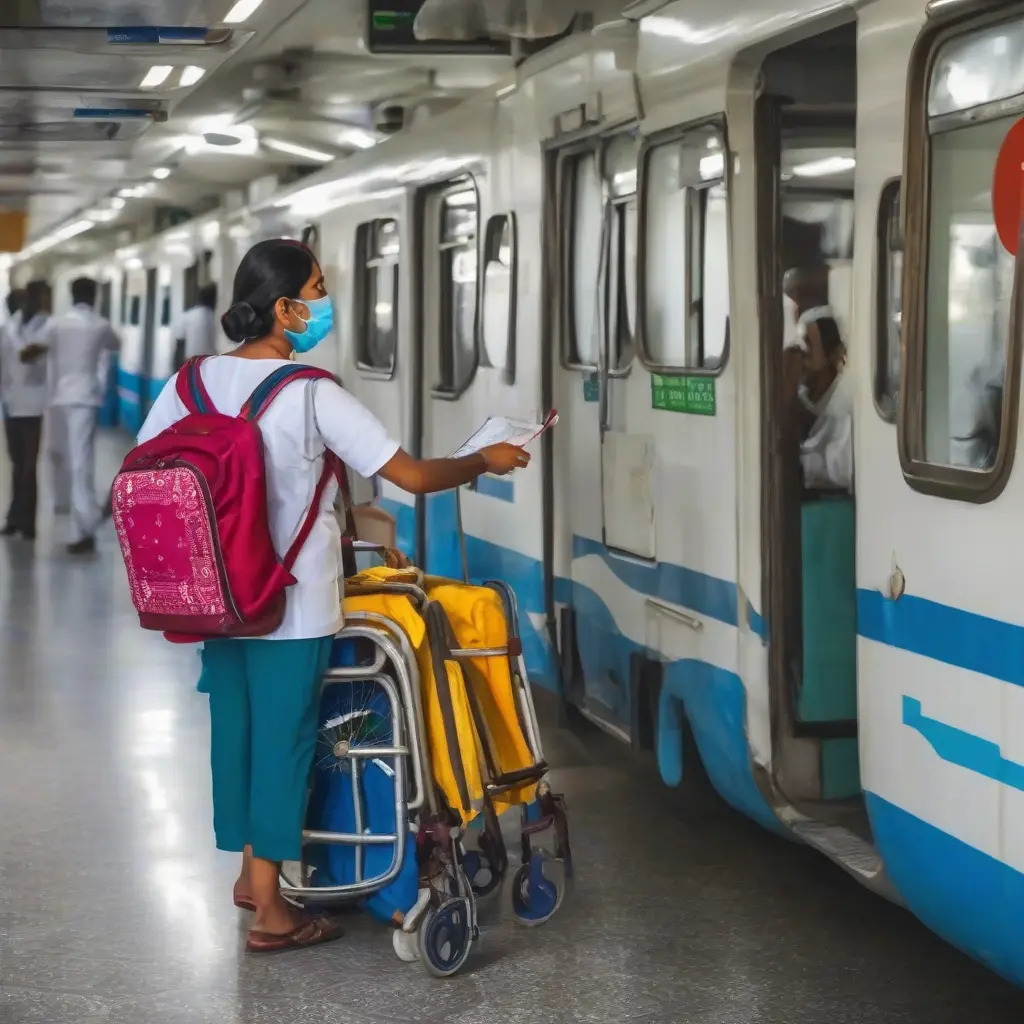
Traveling in India can be an enriching experience with its diverse landscapes, rich culture, and vibrant cities. However, understanding how to access local healthcare services is essential for ensuring your well-being during your trip. Whether you’re exploring bustling markets or trekking in remote areas, knowing where to find medical assistance can ease any anxieties. This guide offers essential tips for accessing healthcare services in India, including where to find help, navigating through the local healthcare system, and being prepared for any medical situation.
Understanding the Healthcare System in India
India’s healthcare system is a mix of public and private services. While government hospitals provide lower-cost care, private hospitals often offer better facilities and shorter wait times. Understanding this duality is crucial for travelers. Public hospitals can be crowded and may lack advanced equipment, whereas private facilities are generally more hygienic and provide personalized treatment. It’s advisable to research the local healthcare institutions in the areas you plan to visit, as this knowledge will empower you to make informed decisions regarding your health needs while traveling.
Travel Insurance: A Must-Have
Before embarking on your trip to India, securing comprehensive travel insurance is critical. This safety net often covers medical emergencies, allowing you to access the necessary healthcare services without worrying about exorbitant expenses. Make sure your insurance includes coverage for repatriation and emergency evacuations, as health facilities may vary significantly in quality. Additionally, familiarize yourself with the claims process for your insurance provider, so you can act quickly if medical assistance is needed during your travels.
Identifying Local Healthcare Facilities
When you arrive at your destination in India, take some time to identify nearby healthcare facilities, including hospitals and clinics. Many cities and towns may also have pharmacies that can provide over-the-counter medication for minor ailments. Utilize smartphone apps or online maps to locate the nearest medical facilities. Additionally, asking locals or hotel staff can provide valuable insights into reputable healthcare providers, so you know where to go in the event of an emergency. Always prioritize facilities with good reviews and accreditations to ensure a quality experience.
Emergency Numbers to Keep Handy
Familiarize yourself with emergency contact numbers in India, which often differ from those in other countries. The general emergency number is 112, which can connect you to various services including police, ambulance, and fire. Additionally, have the contact details of your embassy and insurance provider available. In emergency situations, this information can save time and reduce stress. Consider writing these details down or saving them in your phone for quick access, as you may not always have internet connectivity while traveling.
Basic Health Precautions While Traveling
While enjoying your travels, it’s equally important to take preventative health measures. Ensure that your vaccinations are up-to-date and consider additional vaccinations recommended for India, such as Hepatitis A or Typhoid. Keep basic first aid supplies handy, including antiseptics, band-aids, and any prescription medications you may need. Additionally, staying hydrated and practicing good hygiene can prevent many common ailments, allowing you to enjoy your journey without unnecessary health setbacks. Always wash your hands and be cautious with street food to minimize the risk of foodborne illnesses.
Consulting a Local Doctor
If you require medical attention, consulting a local doctor can be a wise choice. Many urban areas have English-speaking doctors, making communication simpler for travelers. Walk-in clinics may offer quicker service compared to hospitals and can treat minor issues effectively. Ensure you bring any relevant medical records or details of your existing health conditions, as this information can help the doctor understand your needs better and provide appropriate care. If language becomes a barrier, using translation apps can also assist in conveying your symptoms accurately.
Common Health Issues for Travelers
Travelers in India may encounter common health issues such as diarrhea, traveler’s sickness, or insect bites. Understanding these risks can prepare you better. For instance, carrying anti-diarrheal medication or seeking safe drinking water can help maintain your health. Also, consider using insect repellents to avoid mosquito-borne diseases like malaria and dengue fever. When necessary, seek prompt treatment for any unexpected health ailments, as early intervention often leads to better outcomes in travel-related health issues.
Accessing Medications in India
If you require specific medications during your trip, it’s essential to know how to obtain them in India. Pharmacies are widely available, often selling a variety of prescription and over-the-counter medications. However, not all drugs may be available the same way as in your home country. Always carry a copy of your prescriptions, as this can assist pharmacists in providing you with the correct medication. Additionally, if you have chronic conditions, ensure you carry enough medication for your entire trip, and avoid running out during your stay.
Cultural Sensitivities in Healthcare Settings
When accessing healthcare services in India, it’s important to be aware of local cultural practices and sensitivities. For example, addressing healthcare professionals respectfully, and adhering to their guidelines can create a positive interaction. Gender dynamics also play a role in healthcare; some patients may prefer practitioners of the same gender. Engaging with the local culture and understanding these nuances can enhance your experience and help you navigate the healthcare system more effectively.
Staying Connected While Traveling for Assistance
Maintaining communication is crucial when you’re traveling. Ensure your phone is enabled for international calling or consider purchasing a local SIM card. This allows you to reach out for help or connect with healthcare providers without incurring high roaming charges. Moreover, many healthcare facilities offer telemedicine services, which can be advantageous for consultations and advice without needing to travel. Always have a means of communication readily accessible to address any health concerns during your travels.
Conclusion
Accessing local healthcare services while traveling in India may seem daunting, but with proper preparation and awareness, you can navigate the system smoothly. Being equipped with knowledge about facilities, emergency contacts, and health precautions can significantly enhance your travel experience. Ultimately, prioritizing your health ensures that your journey remains enjoyable, allowing you to explore the beauty of India without unnecessary health concerns.