
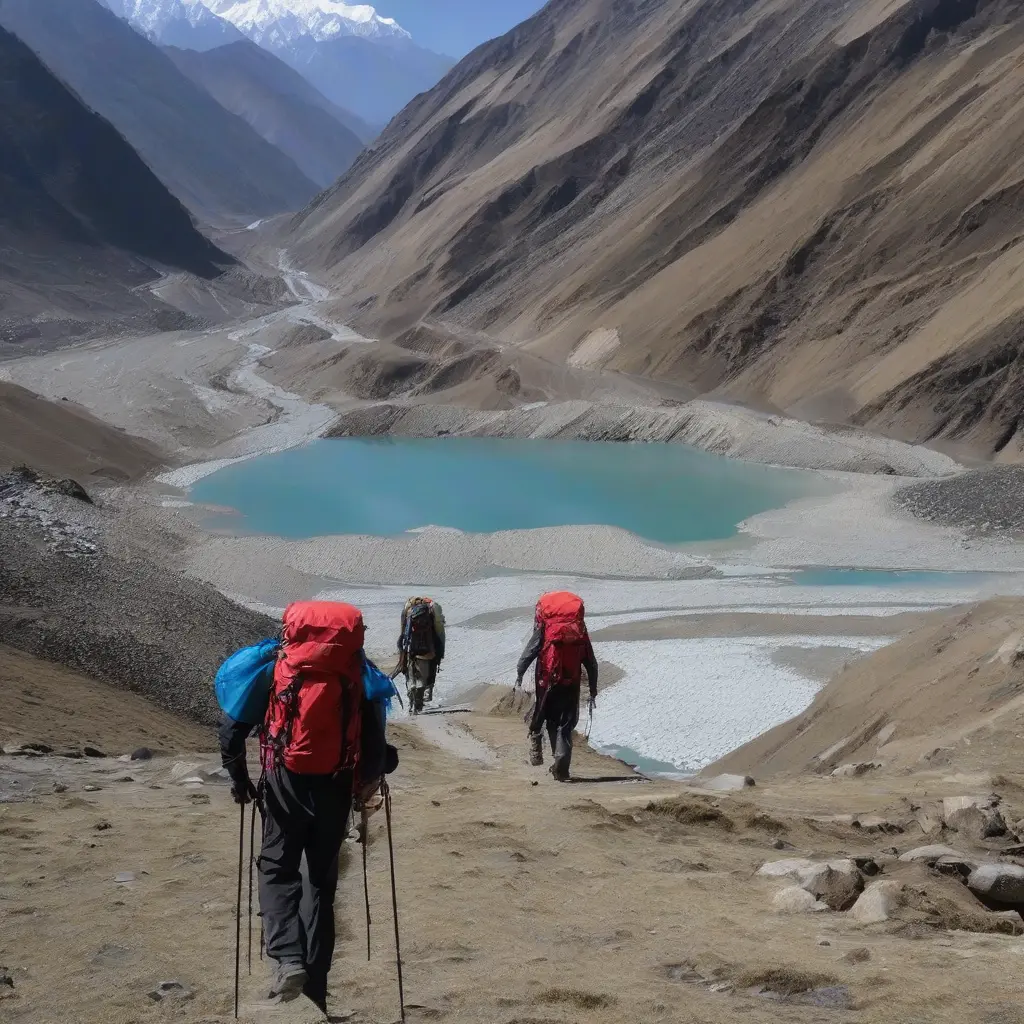
Preparing for a trekking expedition in the Himalayas is an exhilarating yet challenging experience, especially for beginners. Understanding what to expect and how to prepare can vastly improve your adventure. It involves not only physical readiness but also mental preparation, understanding the terrain, and acquiring the right gear. This guide will walk you through essential steps needed for a successful trek, ensuring you have a safe and enjoyable journey in one of the world’s most breathtaking mountain ranges.
Understanding the Terrain and Climate
The Himalayas present diverse terrains and climates, ranging from lush valleys to rugged mountain peaks. Being aware of these variations helps you plan accordingly. For instance, lower altitudes may be warmer and more humid, while high-altitude areas can be frigid with unpredictable weather. Researching the specific region you plan to trek, including its elevation and expected weather conditions, is crucial. This understanding aids in selecting appropriate clothing and gear, thereby enhancing your overall trekking experience.
Physical Preparation and Training
Physical fitness is paramount for trekking in the Himalayas, as the challenges it presents can push your limits. Start a training regimen at least a few months in advance, incorporating cardiovascular exercises, strength training, and flexibility workouts. Activities like hiking, cycling, and running can build endurance. Additionally, practice trekking with a weighted backpack to simulate the actual experience. This preparation not only boosts physical strength but also helps develop mental resilience, making your trek more enjoyable.
Essential Gear and Equipment
Having the right gear is vital for a successful trekking expedition. Make a checklist of essentials, including hiking boots, breathable clothing, a waterproof jacket, and trekking poles. A good quality sleeping bag rated for cold temperatures is also important, along with a sturdy backpack to carry your supplies. Don’t forget safety items like a first-aid kit, water purification system, and a reliable source of navigation, such as a map or GPS device. Proper gear ensures both comfort and safety during your trek.
Choosing the Right Trekking Route
Choosing the right trekking route is critical, especially for beginners. Several trails in the Himalayas cater to different skill levels, from easy day hikes to more challenging multi-day treks. Researching popular routes, such as the Annapurna Circuit or Everest Base Camp, provides insights into what to expect in terms of difficulty, scenery, and accommodations. It’s advisable to select a route that aligns with your physical abilities and experience level, ensuring a fulfilling and manageable trekking journey.
Acclimatization to High Altitude
Acclimatization is essential for trekking in high-altitude regions like the Himalayas, where altitude sickness can affect even seasoned trekkers. To minimize risks, plan your itinerary to include gradual ascent, allowing your body time to adjust to the thinning air. Staying hydrated and resting adequately during the trek are also crucial components of successful acclimatization. Understanding the symptoms of altitude sickness, such as headaches and nausea, prepares you to respond promptly if they occur.
Mental Preparation and Mindfulness
Mental preparedness is just as important as physical training when trekking in the Himalayas. The journey can be mentally taxing due to the challenging conditions and varying elevation. Practicing mindfulness techniques, such as meditation and breathing exercises, helps manage stress and maintain focus during the trek. Visualizing successful outcomes can also enhance your mental fortitude. Embracing a positive mindset not only prepares you for potential challenges but also enriches your overall trekking experience.
Local Culture and Responsible Trekking
Immersing yourself in the local culture enhances your trekking experience in the Himalayas. Engage with local communities, learn about their customs, and respect their traditions. Responsible trekking involves minimizing your environmental footprint by following Leave No Trace principles, using eco-friendly products, and supporting local economies. Understanding the cultural significance of the areas you are trekking through fosters mutual respect and enriches both your travel experience and that of the local population.
Safety Tips for Trekking
Safety should always be a priority when trekking in the Himalayas. Carry a fully charged mobile phone and a power bank, and inform someone of your itinerary before you set off. Always trek with a companion or in a group, and stay aware of your surroundings. Having a plan for emergencies, such as knowing the nearest villages or having a local guide, is crucial. Additionally, keeping a first-aid kit and essential medications on hand can prove valuable in case of unforeseen circumstances.
Conclusion
Preparing for a trekking expedition in the Himalayas may seem daunting, but with adequate preparation, it can be a transformative experience. By understanding the terrain, planning your physical training, and respecting local cultures, you can embark on a successful and enriching adventure. Each of these preparation steps contributes to not just your safety and comfort but also to a deeper connection with the majestic landscapes of the Himalayas.