
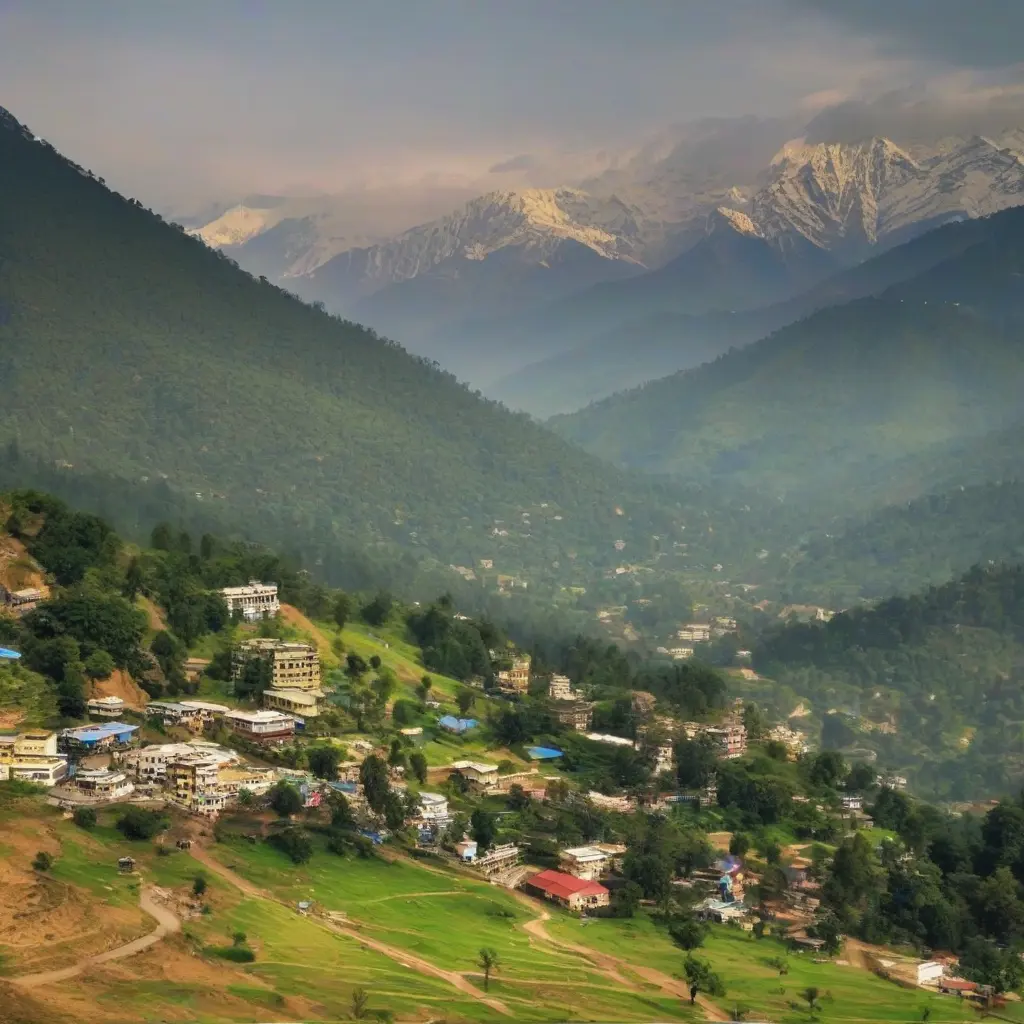
India’s hill stations offer a serene escape from the bustle of city life, providing a refreshing retreat surrounded by nature’s beauty. From the misty mountains of Himachal Pradesh to the lush landscapes of Uttarakhand, these destinations invite travelers to immerse themselves in tranquility. This article provides essential tips to navigate these picturesque locales effectively, ensuring a memorable experience. Whether you’re seeking adventure, relaxation, or cultural insights, understanding what to expect and how to prepare will enhance your visit to these enchanting hill stations.
Best Time to Visit Hill Stations
The ideal time to visit India’s hill stations varies according to the region and climate. Generally, the summer months from March to June are favored, offering pleasant weather and breathtaking views. The monsoon season, from July to September, can bring heavy rainfall, making travel challenging. However, visiting during the monsoon can also provide lush greenery and fewer crowds. The autumn months from October to November are equally wonderful, providing clear skies and vibrant landscapes. Understanding the seasonal variations will help travelers choose the perfect time for their hill station getaway.
Choosing the Right Hill Station
India hosts a diverse array of hill stations, each with its unique charm and offerings. Popular destinations like Shimla and Manali are known for their picturesque landscapes and adventure activities, while places like Darjeeling and Ooty offer tea gardens and colonial architecture. Travelers should consider their interests—whether they prefer hiking, cultural experiences, or solitude—to select a hill station that aligns with their preferences. Exploring online travel forums and guides can also provide insights to make an informed decision about which hill station to visit.
Accommodation Options
From luxury resorts to budget guest houses, hill stations in India offer a range of accommodation options catering to various preferences and budgets. Families may prefer resorts with amenities, while solo travelers or backpackers might opt for hostels or homestays that offer a more local experience. It’s advisable to book accommodations in advance, especially during peak travel seasons, to secure the best prices and locations. Reading reviews and checking amenities will also ensure that guests choose a comfortable stay that enhances their retreat.
Packing Essentials for the Trip
Packing for a hill station retreat requires careful consideration of the climate and activities planned. Essential items typically include layered clothing to accommodate varying temperatures, comfortable footwear for trekking, and rain gear if visiting during the monsoon. A good travel backpack, toiletries, and personal medications should also be included. It’s also wise to pack a camera to capture the stunning scenery. Additionally, travelers should carry local maps or download offline navigation apps, as some remote areas may have limited connectivity.
Transportation Tips
Getting to and around hill stations can vary greatly, depending on the location and available transport options. Most hill stations are accessible via road, and travelers might opt for private taxis or rented vehicles for convenience. If choosing public transportation, consider booking train tickets early during peak season for a smoother experience. Local buses and shared taxis are often economical ways to explore nearby attractions. Familiarizing oneself with local transport schedules and routes can enhance mobility and ensure a hassle-free journey.
Must-Visit Attractions
Each hill station features its must-visit attractions that epitomize its unique character. Travelers might explore the ancient temples of Kullu, the tea estates of Darjeeling, or the panoramic views from viewpoint hills such as Tiger Hill. Moreover, indulging in local cuisine or visiting markets can offer cultural insights that enrich the experience. Nature enthusiasts can revel in trekking routes, while history buffs can delve into colonial architecture. Prioritizing must-visit attractions based on personal interests ensures an enriching holiday.
Adventure Activities to Try
For adventure seekers, India’s hill stations present a plethora of exciting activities. Trekking, paragliding, and river rafting are popular in several regions like Manali and Rishikesh. Additionally, mountain biking and camping in untouched locales offer thrilling experiences. Engaging in these activities not only satisfies the adrenaline junkies but also provides an opportunity to enjoy the stunning natural surroundings. It’s best to choose activities that match one’s skill level and physical fitness, as safety is paramount in adventure tourism.
Cultural Etiquette and Local Customs
Understanding cultural etiquette and local customs is essential for making a positive impression while visiting hill stations. Respecting local traditions, such as dress codes in temple areas, can greatly enhance the travel experience. Engaging with local residents kindly and demonstrating interest in their customs fosters goodwill and cultural exchange. It’s also helpful to learn a few basic phrases in the local language, as this can break barriers and encourage friendly interactions. Being culturally aware enriches the journey and fosters more meaningful connections.
Health and Safety Precautions
Maintaining health and safety during hill station visits is crucial for an enjoyable vacation. Travelers should stay hydrated, as higher altitudes can lead to dehydration. It’s advisable to acclimatize gradually to avoid altitude sickness when visiting very high regions. Keeping a basic first-aid kit handy and being aware of nearest medical facilities is also beneficial. It is wise to follow safe food practices, especially when trying local street food, to prevent foodborne illnesses. Ensuring safety during activities, particularly adventure sports, is essential for a worry-free experience.
Sustainable Travel Practices
As tourism grows in hill stations, adopting sustainable travel practices becomes increasingly important. Travelers can contribute positively by minimizing waste, choosing eco-friendly accommodations, and respecting local flora and fauna. Supporting local businesses and artisans also fosters economic growth within these communities. Additionally, engaging in responsible trekking and ensuring cleanliness when visiting natural sites can help preserve the environment for future generations. Sustainable travel not only protects these beautiful areas but also enriches the travel experience through authentic interactions.
Conclusion
Exploring India’s hill stations offers an exceptional opportunity for a refreshing retreat amidst nature’s beauty. By considering the tips outlined in this article, travelers can enhance their experience and enjoy everything these enchanting destinations have to offer. From selecting the right time to visit to embracing local culture, every aspect enriches the journey, ensuring cherished memories. Preparing adequately and being mindful of the environment will lead to a fulfilling experience, making the hill stations an ideal choice for travelers seeking peace and adventure alike.