
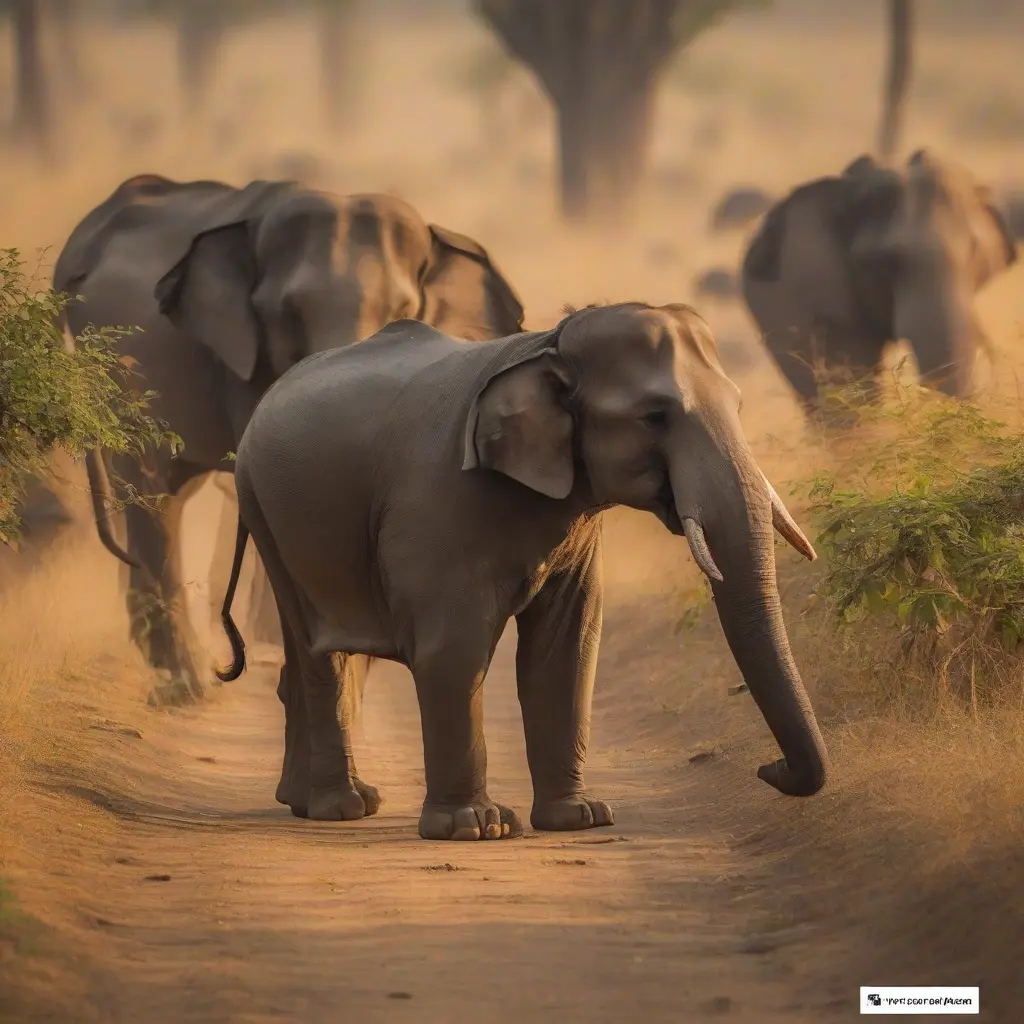
India is home to a diverse range of national parks, each boasting unique wildlife and stunning landscapes. To make the most of your wildlife adventure, understanding the best times to visit these parks is crucial. Various factors, including weather conditions, animal behavior, and tourist footfall, influence optimal visiting times. Whether you aim to spot the majestic Bengal tiger or witness the vibrant birdlife, planning your visit around peak seasons ensures a rewarding experience in the heart of nature.
Understanding India’s Climate Zones
India’s climate varies significantly across regions, affecting wildlife visibility and park accessibility. The country is primarily divided into four climatic zones: tropical, subtropical, temperate, and alpine. Wildlife parks in tropical regions, like Kanha and Bandhavgarh, experience summer temperatures exceeding 40°C, while the alpine zones, such as Nanda Devi, have a brief summer. By recognizing these climatic influences, visitors can determine the best months for their preferred parks and plan their wildlife tours accordingly.
Best Time for Wildlife Safaris: Winter Months
The winter months from November to February are considered the prime time for wildlife safaris in India. During this period, temperatures in most parks drop, making animals more active and visible during daylight hours. Furthermore, this season witnesses lower humidity, creating ideal conditions for exploring nature. Particularly in parks like Ranthambore and Jim Corbett, sightings of big cats and other wildlife are significantly higher, allowing visitors to take full advantage of their safari experiences.
Visiting During the Monsoon Season
The monsoon season, from June to September, brings heavy rains to many regions in India and prompts park closures. While some parks, such as Periyar and Bandipur, reopen earlier in September, the heavy vegetation makes wildlife sightings challenging. However, the lush landscapes in the national parks during this time provide unique opportunities for birdwatchers and photographers. Monsoon visits are ideal for experiencing the rejuvenation of nature, although wildlife interactions may be limited.
Spring and Autumn: A Transition Time
Spring (March to April) and autumn (September to October) serve as transition seasons which can offer a blend of the advantages of both summer and winter. During these months, the weather becomes quite pleasant, with cooler temperatures enabling comfortable wildlife viewing. Animals are usually more active, and this results in enhanced possibilities for sightings before the heat of summer or after the rains. Visitors to parks like Kaziranga during this period often enjoy flourishing landscapes and abundant wildlife activity.
Wildlife Watching Tips
For a successful wildlife adventure, visitors should adopt certain strategies. Starting safaris at dawn increases the chances of spotting animals as they tend to be more active in cooler temperatures. Using a knowledgeable guide is essential, as they understand animal behavior, tracks, and calls. To enhance your experience, consider carrying binoculars for better wildlife observation and a camera to capture those fleeting moments. Dressing in neutral colors and maintaining silence can greatly enhance the chances of seeing elusive animals.
Planning Your Itinerary
When organizing your trip, it’s vital to choose national parks based on specific wildlife interests and seasonal conditions. A well-planned itinerary should account for proximity between parks, travel times, and park regulations. Some parks may require advance booking for safaris, particularly during peak seasons. By carefully mapping out your itinerary, you can effectively maximize both your time and experiences, facilitating an unforgettable wildlife adventure across India’s iconic national parks.
The Importance of Responsible Wildlife Tourism
Responsible wildlife tourism emphasizes conservation and sustainable practices while enjoying nature. Visitors should be aware of park rules and guidelines to minimize their impact on ecosystems. Following designated paths and observing animals from a safe distance are essential practices for preserving wildlife habitats. Supporting local communities by choosing eco-friendly accommodations and services can contribute positively to conservation efforts. By being a responsible traveler, you can enjoy wildlife adventures while ensuring that these natural wonders endure for future generations.
Choosing the Right National Park
India is home to over 100 national parks, each providing unique experiences depending on the wildlife you wish to encounter. For instance, for tiger sightings, Ranthambore and Bandhavgarh are prime spots, while Kaziranga is known for its one-horned rhinoceros. Bird enthusiasts may prefer Bharatpur Bird Sanctuary, especially during migration seasons. Understanding your interests and the specific wildlife available in each park will help you choose the right destinations to fulfill your adventure.
Conclusion
In summary, planning your visit to India’s national parks can significantly enhance your wildlife experience. By considering the seasonal variations, understanding animal behavior, and being mindful of your impact on nature, you can ensure a memorable adventure. Whether you’re stalking the shadows of big cats or soaking in the beauty of bird migrations, the right timing and preparation can lead to unforgettable encounters in India’s vibrant wilderness.