
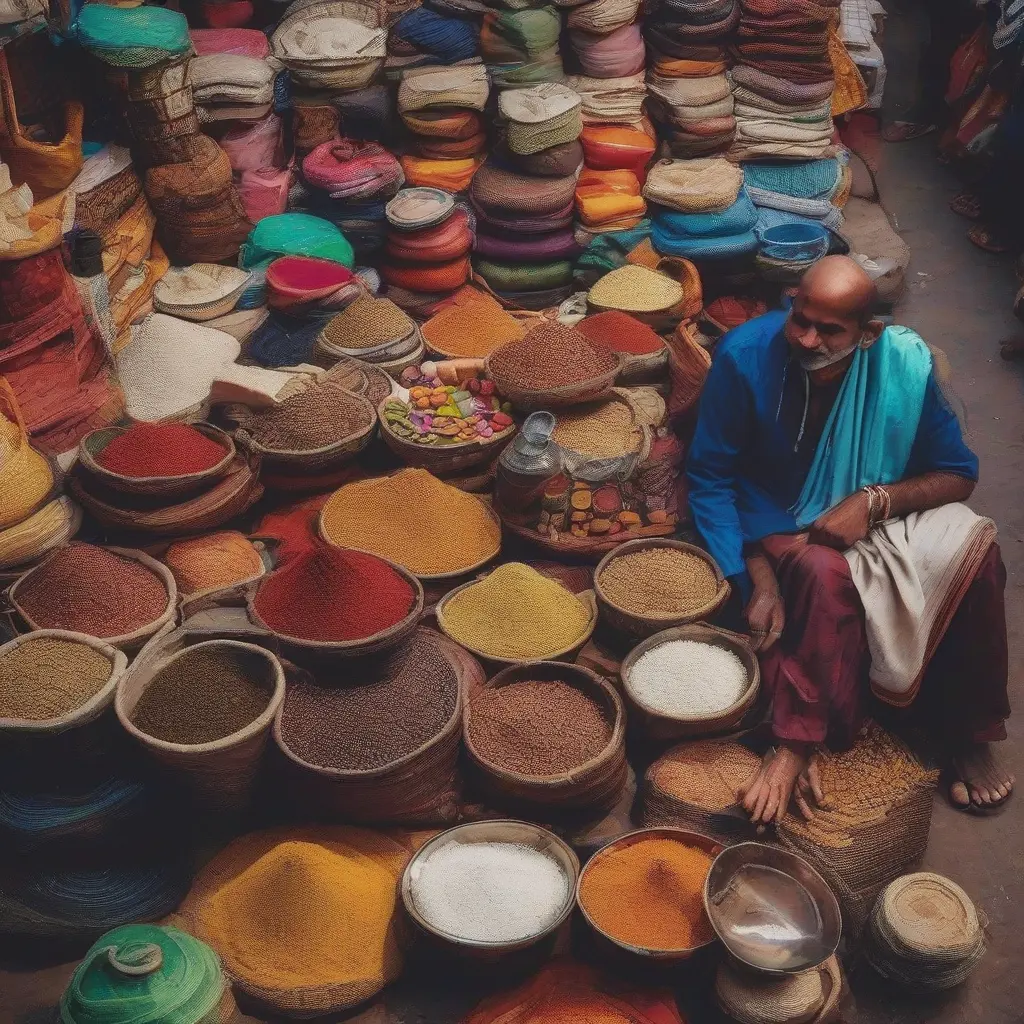
Bargaining in Indian markets is an art that is deeply woven into the fabric of the country’s shopping culture. Travelers often find themselves in bustling bazaars filled with vibrant colors, unique handicrafts, and enticing aromas. Understanding how to navigate these markets can enhance your shopping experience while ensuring you get a fair price for your desired items. This guide outlines the essential dos and don’ts that will not only save you money but also allow you to engage authentically with local vendors, making your journey all the more rewarding.
Understand the Market Culture
Indian markets are notorious for their unique bargaining culture, which varies significantly from one region to another. Understanding this culture is crucial for effective negotiation. Vendors in tourist-heavy areas might expect tourists to bargain, while in local markets, prices may be more fixed. Familiarize yourself with the local norms and practices to ensure respectful and informed interactions. Additionally, witnessing how locals engage in bargaining can provide valuable insight into successful techniques tailored to specific markets.
Do Your Research
Before plunging into bargaining, take the time to research typical price ranges for the items you wish to buy. This knowledge helps you recognize a fair price when you encounter it. Online resources, travel forums, and local guides can offer invaluable insights. Furthermore, don’t hesitate to ask locals or other travelers about their experiences. Being informed empowers you during negotiations and allows you to approach vendors with confidence and clarity.
Start with a Friendly Attitude
A warm approach can significantly influence the bargaining process in Indian markets. Start with a polite greeting and show genuine interest in the items. Building rapport with the vendor can create a positive atmosphere that makes them more willing to negotiate. A friendly demeanor not only makes the experience enjoyable but also leads to better deals. Remember, vendors are more likely to give discounts to those who respect their craft and engage in friendly dialogue.
Be Prepared to Walk Away
One of the most powerful tactics in bargaining is showing that you are willing to walk away if the price does not meet your expectations. This tactic can sometimes prompt vendors to offer a better deal. However, ensure that you genuinely have other options or places to shop. It’s important to strike a balance between walking away and being respectful, as an aggressive attitude may deter vendors from engaging further.
Don’t Rush the Process
Bargaining is not something to be rushed but rather an experience to savor. Many travelers make the mistake of hurrying through negotiations, which can result in unfavorable outcomes. Instead, take your time to engage in conversation, ask questions about the items, and enjoy the atmosphere. A slow and deliberate approach gives both you and the vendor the chance to feel comfortable, which can lead to a more favorable deal for both parties.
Know When to Stop Negotiating
An essential aspect of bargaining is understanding when to agree to a price. Once you feel that a fair deal has been reached, accept it graciously. Over-negotiating may not only frustrate the vendor but could also lead to potential misunderstandings. It’s important to appreciate the craftsmanship behind the product and respect the vendor’s livelihood. Knowing when to conclude the bargaining process demonstrates respect and can enhance your overall shopping experience.
Don’t Forget to Use Humor
Humor can be an effective tool in the bargaining process, as it lightens the mood and creates a sense of camaraderie. A well-placed joke or light banter can break down barriers and build a connection with the vendor. This playful interaction often fosters better deals and a more enjoyable shopping experience. However, it is essential to gauge the vendor’s reaction; if they are not responsive to humor, adoption of a more serious tone may be warranted.
Know Your Limits
Setting a budget before you start shopping is crucial for any traveler looking to bargain in Indian markets. Determine a maximum price you are willing to pay for each item. This prevents impulse purchases and helps you stay within your financial boundaries during negotiations. Being aware of your limits not only protects your wallet but also allows you to engage in bargaining with a clear goal in mind, making the process more efficient.
Beware of Common Tricks
Vendors may employ various strategies to entice you into spending more money, such as inflating prices or using emotional appeals. Being aware of these common tricks can help you avoid overpaying. For instance, if a vendor claims that an item is a rare or limited edition, questioning this assertion based on your research can prevent you from being misled. Equipping yourself with knowledge about typical pricing and market trends is your best defense against trickery.
Explore Different Markets
Not all markets offer the same products or prices, making it worthwhile to explore multiple venues during your travels. Some markets are more geared toward tourists and may have higher prices, while local markets often provide better deals for genuine items. Take the time to visit various locations to compare prices and quality, allowing you to find the best bargains. This strategy not only enhances your shopping experience but also offers exposure to different facets of local culture.
Conclusion
Mastering the art of bargaining in Indian markets is not only about securing the best deals but also about connecting with local culture and craftsmanship. By following these dos and don’ts, you can navigate the vibrant market scene with ease. Your shopping experience can become a valuable part of your travel adventure, creating lasting memories and a deeper appreciation for the rich traditions found in India.