
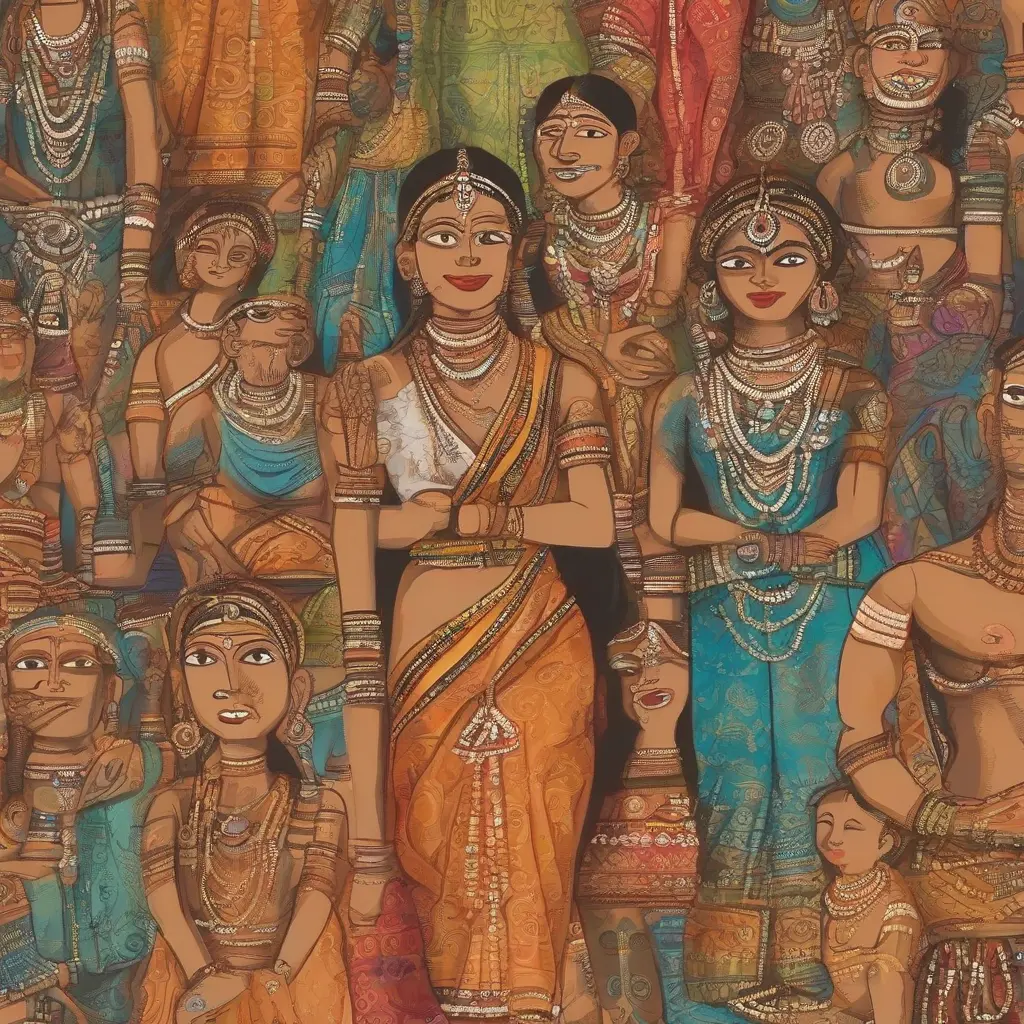
Traveling in India can be an enriching yet challenging experience, especially when it comes to navigating cultural differences. Understanding local norms is crucial for fostering positive interactions and avoiding misunderstandings. This guide offers practical tips for recognizing and respecting the diverse customs throughout India, which will greatly enhance your travel experience. By being mindful of these differences, you will not only show respect for the culture but also gain richer insights into the local way of life.
Understanding Indian Social Hierarchies
Social hierarchies in India can be complex, influenced by factors such as caste, religion, and region. It’s important to be aware that interactions might vary based on perceived social status. For instance, you may find people addressing each other with various titles or honorifics, which signify respect. Acknowledging these nuances can help you navigate social settings more smoothly. Avoid making assumptions based on brief interactions; instead, observe how locals interact and adapt your approach accordingly.
Respecting Religious Practices
India is home to numerous religions, each with its own customs and traditions. When visiting temples, mosques, and other sacred sites, it’s essential to adopt appropriate attire—often modest clothing, such as covered shoulders and legs. Being quiet and respectful in these places is also crucial. Each religion may have specific rituals or practices, so taking the time to learn about them can deepen your cultural understanding. This respect will be appreciated and can lead to richer experiences during your travels.
Navigating Local Etiquette in Communication
Communication styles in India can differ widely from Western norms. People may use indirect communication to convey messages, which can sometimes be confusing. Instead of always looking for direct answers, be open to reading between the lines. Additionally, topics like politics, caste, and personal beliefs can be sensitive, so approach them cautiously. Greeting locals with a respectful ‘Namaste’ is a good practice, showing appreciation for both verbal and non-verbal communication customs.
The Importance of Personal Space
Personal space in India may not conform to Western standards, with closer physical proximity often being the norm. While some travelers might feel discomfort in crowded settings, understanding that this is part of everyday life can ease anxiety. In social gatherings, it is common for people to stand or sit closer together, and touching during conversation can show warmth or familiarity. However, be mindful and observe the comfort levels of those around you to ensure mutual respect.
Dining Etiquette to Keep in Mind
Dining customs in India vary significantly across regions and cultures. When invited to someone’s home, it is customary to bring a small gift as a token of appreciation. During meals, traditional practices may involve eating with your hands, particularly with Indian bread like naan or chapati. If you prefer utensils, it’s best to politely check in advance. Always wait for the host to start the meal, as this shows respect. Additionally, trying local cuisine can be an excellent way to immerse yourself in the culture.
Cultural Sensitivity with Photography
While India offers stunning sights, being sensitive about photography is essential. Always ask for permission before photographing individuals, especially in rural or less touristic areas where people may be wary of being captured on camera. In religious sites, some areas may prohibit photography altogether, so be sure to follow signs and guidance. Understanding the cultural significance of certain places or individuals will not only show respect but also help in forming deeper connections during your travels.
Handling Gender Interactions Respectfully
Gender interactions in India can be quite different from those in Western cultures. Many regions maintain traditional views on gender roles, which can influence how men and women communicate. Be respectful of personal boundaries and avoid overly familiar gestures. In some areas, it may be considered inappropriate for men to interact directly with women, especially in conservative communities. Observing local customs and following cues can help you navigate these interactions with grace and respect.
The Role of Bargaining in Markets
When visiting local markets in India, bargaining is often expected and can be a cultural experience in itself. It’s useful to approach haggling with a friendly attitude, as this can lead to more enjoyable transactions. Start by offering a lower price than initially quoted and expect a playful back-and-forth exchange. Understanding this practice not only helps save money but also enhances your engagement with local vendors, making your shopping experience more enjoyable and authentic.
Using Common Phrases in Local Languages
Learning a few basic phrases in local languages can go a long way in connecting with residents. Hindi is widely spoken, but many regions have their own languages, such as Tamil or Bengali. Simple greetings, thank you (‘Dhanyavaad’), and please (‘Kripya’) can break down barriers and illustrate your willingness to embrace the culture. Even if pronunciation isn’t perfect, locals will often appreciate the effort, leading to friendlier interactions and enriching your journey.
Conclusion
Navigating cultural differences while traveling in India requires awareness, respect, and adaptability. By embracing the rich tapestry of local customs, you open yourself to unforgettable experiences and deeper connections. Understanding social etiquette, respecting religious practices, and communicating effectively can transform your journey into a meaningful adventure. Travel is not just about the destination; it’s about the interactions and insights gained along the way, fostering a richer travel experience.