
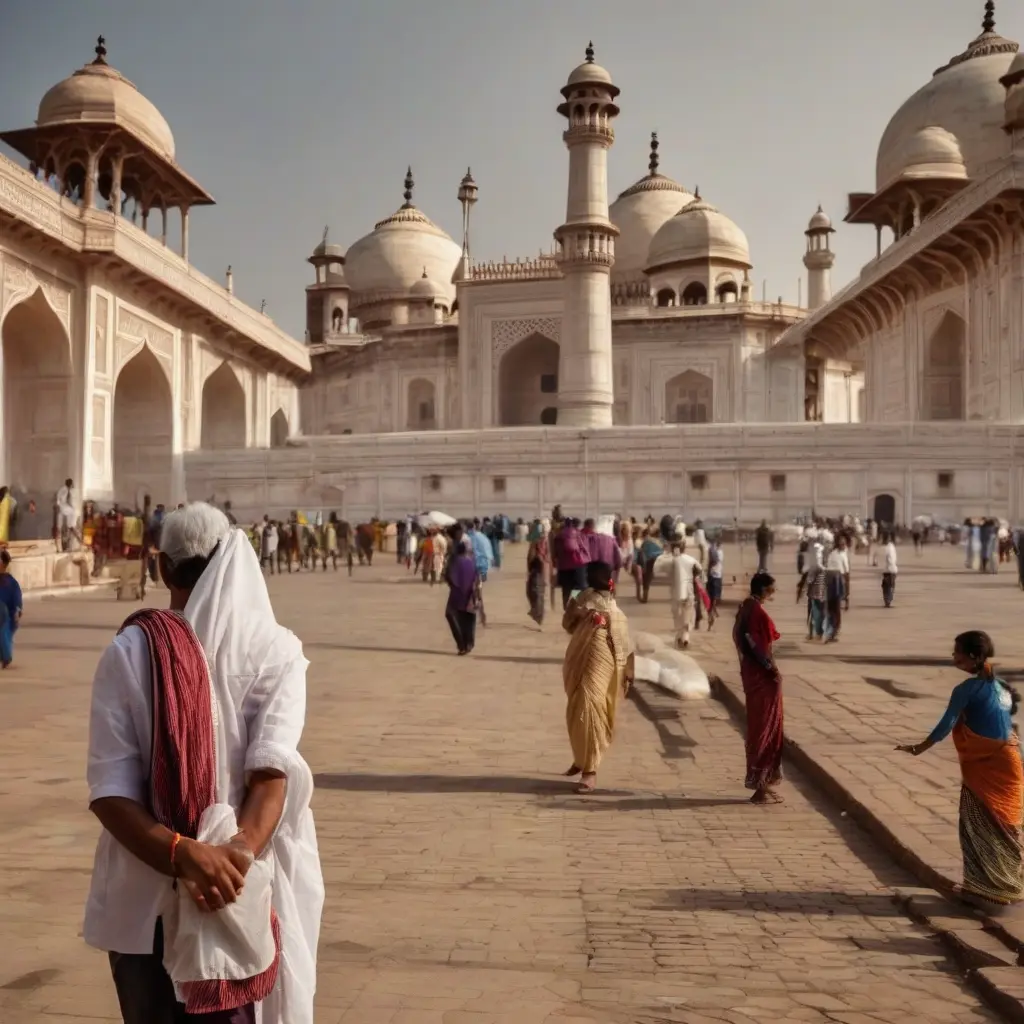
Traveling to India can be an enriching experience, but it also requires careful health preparations to ensure safety and well-being. Comprehensive knowledge about vaccinations and medications specific to the region can significantly reduce health risks. Various diseases, some preventable through vaccines, pose a threat to travelers. Understanding what health precautions are necessary will help travelers enjoy everything India has to offer while minimizing potential health issues. This guide outlines the essential vaccinations and medications you may need before embarking on your journey.
Understanding Vaccinations for India
Before traveling to India, it’s crucial to understand the recommended vaccinations that can protect you from various infectious diseases. Immunizations for diseases such as hepatitis A, hepatitis B, typhoid, and even Japanese encephalitis may be advised depending on the duration and nature of your trip. The CDC and WHO provide guidelines on which vaccines are essential based on your specific travel itinerary and health history. Schedule your vaccinations well in advance—ideally 4 to 6 weeks prior to departure—to ensure full immunity.
Hepatitis A and B Vaccinations
Hepatitis A vaccination is highly recommended for travelers to India, as the virus can be transmitted through contaminated food and water. It’s important to get vaccinated at least two weeks before travel for optimal protection. Likewise, the hepatitis B vaccine is vital, given the risks associated with sexual contact, medical procedures, and exposure to blood. Receiving the hepatitis B vaccination can provide long-lasting immunity, making it an essential part of your travel health plan.
Typhoid Fever Vaccination
Typhoid fever remains a significant health risk in India, particularly in areas with poor sanitation. The typhoid vaccine is effective and recommended for all travelers, especially those planning to visit rural areas. There are two types of vaccines available, an injectable inactivated vaccine and an oral live vaccine. Consulting with a healthcare provider will help you choose the appropriate vaccine and ensure you receive it at least a week before your trip.
Japanese Encephalitis Vaccination
Japanese encephalitis, though less common, is another disease that travelers should consider when visiting rural India, particularly during monsoon season. The vaccine is recommended for individuals planning to stay for an extended period or travel in rural areas where the disease is endemic. The vaccination requires two doses, and timing is crucial; ideally, receive the first dose 30 days before travel to ensure adequate protection.
Tetanus and Diphtheria Booster
While preparing for your trip, don’t overlook the importance of a tetanus and diphtheria booster, particularly if you are unsure of your vaccination history. The CDC recommends a booster every 10 years. This vaccination is essential given the increased risk of injuries that may occur during travel, especially in environments with limited medical facilities. Confirming your vaccination status beforehand will give you peace of mind during your travels.
Malaria Prevention in India
Malaria is prevalent in certain regions of India, especially during the monsoon season. For travelers planning to visit these areas, antimalarial medications should be considered. Several types of medication are effective, such as atovaquone-proguanil, doxycycline, or mefloquine. Consult a travel health specialist to determine the most suitable medication for your travel plans, and start the regimen before travel to ensure maximum efficacy.
Traveler’s Diarrhea: Preparing for Incidents
Traveler’s diarrhea is a common issue for those traveling to India due to changes in diet and water quality. To help mitigate this risk, consider packing medications such as loperamide for symptomatic relief and antibiotics like azithromycin for more severe cases. Additionally, bring rehydration salts to manage fluid loss. It’s advisable to consult with a healthcare provider on the necessary medications and preventive measures before departure.
Avoiding Animal Bites and Rabies Vaccination
Rabies is a deadly disease prevalent in India, primarily transmitted through animal bites. For travelers who plan to interact with animals, the rabies vaccine should be seriously considered. Pre-exposure vaccination can provide crucial protection, reducing the need for post-exposure treatment if bitten. Consulting with a healthcare provider will help assess your risk and determine if this vaccination is necessary for your travel itinerary.
General Health Precautions While Traveling
In addition to vaccinations, practicing general health precautions is vital for ensuring a safe trip to India. Drink bottled or boiled water, avoid raw foods, and adhere to strict hygiene practices, including frequent handwashing. Carrying hand sanitizers and disinfectant wipes can further reduce your risk of infections. Being cautious with food and water can significantly lower your chances of encountering health issues during your travels.
Packing Your Travel Health Kit
Creating a travel health kit is an essential step in preparing for your trip to India. This kit should include not only the medications mentioned earlier but also basic first-aid supplies, antibacterial ointment, sunscreen, and insect repellent. Personal prescriptions, along with any over-the-counter medications you may need, should also be included. Be organized and pack these essentials for easy access, ensuring that your health needs are met during your travels.
Resources for Travel Health Information
Staying informed about health risks specific to your destination is critical. Reliable resources include the Centers for Disease Control and Prevention (CDC) and the World Health Organization (WHO), which provide up-to-date information on vaccinations and health risks. You can also consult your healthcare provider for personalized advice tailored to your travel plans. Leveraging these resources allows travelers to make educated decisions about their health preparations.
Conclusion
Preparing for a trip to India requires careful consideration of vaccinations and medications to protect against various health risks. By staying informed and consulting with healthcare professionals, travelers can make educated decisions that ensure a safer journey. Taking proactive health measures not only enhances your travel experience but also provides peace of mind, allowing you to focus on exploring India’s rich culture and attractions.