
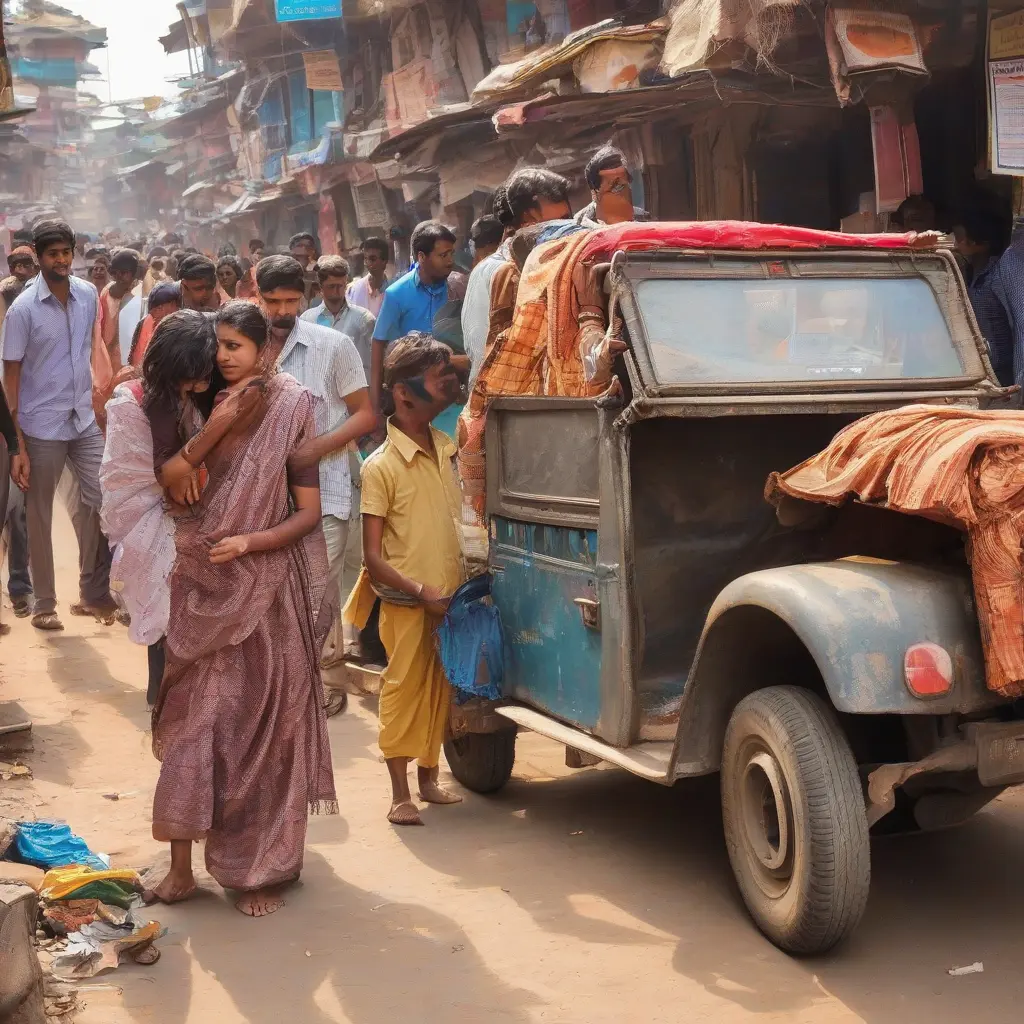
Traveling to India can be a magnificent experience filled with rich culture, history, and stunning landscapes. However, like many countries, India has its share of petty crime, which can be a concern for tourists. Understanding the common types of petty crime and knowing how to protect yourself is essential for a safe visit. This guide offers practical tips and insights to help you navigate India’s unique landscape, enabling you to enjoy your journey with peace of mind.
Common Types of Petty Crime in India
In India, petty crime predominantly includes pickpocketing, bag snatching, and scams targeting unsuspecting tourists. Pickpocketing often occurs in crowded areas like markets, temples, and public transport, where distractions are commonplace. Moreover, bag snatching can happen quickly, especially in busy streets or when someone is riding a motorcycle. Scams can range from overpriced tours to bogus taxi services, making tourists vulnerable to financial loss. Recognizing these threats is the first step towards safeguarding yourself during your travels.
Understanding Local Crime Rates
Crime rates in India can vary significantly from one region to another. Urban areas, particularly cities like Delhi, Mumbai, and Bangalore, tend to have higher instances of petty crime due to their larger populations and dense tourist traffic. In contrast, rural areas may have lower crime rates but can still pose risks. Familiarizing yourself with specific areas can help mitigate risks; research travel advisories and local news to stay informed about safety conditions before you go.
Essential Tips for Keeping Your Belongings Safe
Keeping your belongings safe while traveling in India requires vigilance and common sense. Use anti-theft bags that have lockable zippers and concealed compartments to deter thieves. When in crowded areas, carry your bag securely across your body rather than on your shoulder. Avoid keeping valuable items like passports and large amounts of cash in easily accessible pockets. Instead, consider using a money belt or a hidden pouch. These small precautions can significantly reduce the likelihood of falling victim to petty crime.
Being Mindful of Your Surroundings
Awareness of your surroundings plays a crucial role in maintaining safety while traveling. Pay attention to people around you and be cautious if you notice someone acting suspiciously or too close for comfort. When using public transportation, keep your belongings close and be alert to any potential distractions. Additionally, try to avoid using your phone or electronic devices in crowded areas, as this can make you more vulnerable to theft. Staying alert can help you detect unusual situations and respond quickly.
Avoiding Tourist Traps and Scams
Tourist traps and scams can be prevalent in popular tourist destinations in India. To avoid falling victim, conduct thorough research about attractions, their costs, and recommended services before your visit. Be cautious of unsolicited guides offering tours or services, as they may charge exorbitant fees. If you prefer guided experiences, opt for established and reputable companies. Additionally, trust your instincts; if a situation feels off, it’s best to walk away or seek help from locals or law enforcement.
Using ATMs and Handling Money Safely
Using ATMs wisely is crucial for ensuring financial safety while in India. Choose ATMs located inside banks during daylight hours, as they are generally safer and have better surveillance. Before making a withdrawal, scan for any suspicious activities or devices attached to the ATM. When handling cash, avoid displaying large denominations in public and carry only as much as you need for the day. Consider using a prepaid travel card to limit cash handling and potential loss.
Communicating with Locals: Language Tips
While English is widely spoken in urban areas of India, having basic knowledge of local languages can enhance safety and experience. Simple phrases in Hindi or regional languages can facilitate better communication, helping you convey your needs or concerns effectively. Locals may be more helpful when they see you making an effort to understand their culture. This connection can provide additional insights into safe areas and potential dangers, ensuring you stay informed and secure.
Travel Insurance: A Necessary Safeguard
Securing travel insurance is an important step for tourists visiting India. Comprehensive travel insurance can provide coverage for theft, loss of belongings, medical emergencies, and other unforeseen events that may occur during your trip. Before purchasing a policy, read the details carefully to ensure it meets your travel needs and includes coverage for petty crimes. Having this safety net offers peace of mind, allowing you to enjoy your travels without constant worry about potential mishaps.
Staying Connected: Using Technology Wisely
Technology can significantly enhance your safety as a tourist in India. Keep your mobile device charged and download reliable map and travel apps beforehand, so you can navigate easily. Additionally, consider sharing your travel itinerary with family or friends, allowing them to track your journey. Social media can also help in finding safety tips and local advice from other travelers. However, be cautious about sharing your location publicly in real-time to avoid alerting potential thieves.
Understanding Local Laws and Regulations
Understanding local laws and regulations can prevent misunderstandings and legal issues while traveling in India. Be aware of regulations regarding public behavior, photography in restricted areas, and local customs that may differ from your home country. Familiarize yourself with the legal identification you may need to carry, such as copies of your passport and visa. Knowing these guidelines enhances your experience, fostering respect for local culture and reducing the risk of inadvertently committing an offense.
Conclusion
Traveling in India can be an enriching and memorable experience, but awareness of petty crime is crucial for ensuring your safety. By understanding the risks, taking necessary precautions, and being vigilant while exploring, tourists can significantly minimize concerns about crime. Embrace the adventure, respect local customs, and practice safety tips to enjoy a fulfilling journey in the beautiful and culturally rich landscapes of India.