
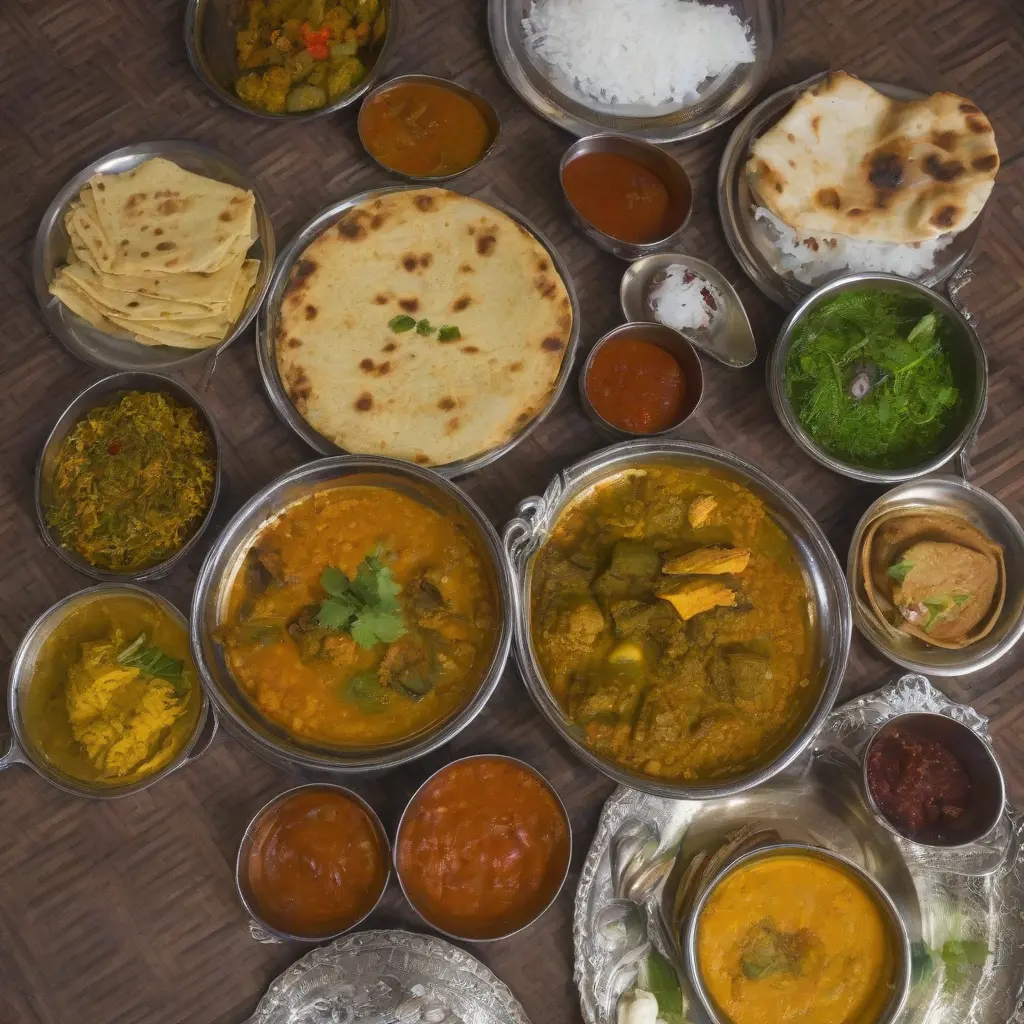
India is a land of diverse cultures and flavors, offering a unique culinary journey through its varied regions. Each state presents an array of dishes that cater to different dietary preferences, but exploring these options can pose challenges, especially for travelers with specific restrictions. Understanding the regional specialties, ensuring food safety, and effectively communicating your dietary needs are crucial for a delightful dining experience. In this article, we provide practical tips on navigating India’s rich food landscape safely while enjoying the vibrant tastes it has to offer.
Understanding Regional Cuisines
India’s culinary landscape is incredibly diverse, with each region boasting its own unique flavors, ingredients, and cooking styles. From spicy curries in the south to flavorful biryanis in the north, understanding these regional variations is vital for anyone looking to enjoy authentic Indian cuisine. Some popular southern dishes include dosa and sambar, while northern specialties often feature naan and paneer. By familiarizing yourself with regional ingredients, you can better navigate menu options and make informed choices aligned with your dietary preferences.
Identifying Dietary Preferences
Whether you’re vegetarian, vegan, gluten-free, or have specific food allergies, it’s essential to identify your dietary preferences before exploring Indian cuisine. Many Indians are vegetarian, making it easier to find options that fit this lifestyle. However, understanding the presence of dairy, egg, or gluten in various dishes is crucial. Researching common ingredients in Indian cooking will help you identify suitable meals, which is particularly important if you’re traveling to regions where your specific dietary needs may not be as well understood.
Mastering Food Safety in India
Food safety is a significant concern when traveling in India, where hygiene standards can vary widely. Always prioritize eating at reputable establishments to minimize the risk of waterborne illnesses and food contamination. Look for restaurants that are well-reviewed or recommended by locals and avoid street food unless you’re confident in its preparation. Additionally, drinking bottled water is essential; avoid ice and raw foods that may have been washed with tap water. Taking these precautions can greatly enhance your enjoyment of Indian cuisine.
Effective Communication with Restaurant Staff
Navigating dietary preferences effectively often requires clear communication with restaurant staff. Learning a few key phrases in Hindi or the local language can help convey your dietary needs, such as ‘vegetarian’ or ‘gluten-free.’ When dining out, don’t hesitate to ask questions about ingredients and cooking methods to ensure your meal aligns with your preferences. Many restaurants are accommodating and can suggest modifications or alternative dishes that fit your requirements, enhancing your overall dining experience.
Exploring Vegetarian and Vegan Options
India is renowned for its vegetarian and vegan cuisine, offering a rich variety of plant-based dishes that are both flavorful and satisfying. Staples such as lentils, chickpeas, and numerous vegetables feature prominently in Indian cooking, providing a wealth of options for those following a meat-free diet. Popular dishes like chana masala, palak paneer, and various curries often do not require meat, making it easier to find meals that suit vegetarian or vegan preferences. Embracing these options can lead to delightful culinary experiences.
Adapting to Spices and Heat Levels
Spices play a pivotal role in Indian cuisine, and understanding how to adapt to the local heat levels can greatly enhance your dining experience. While many dishes boast intense flavors and varying degrees of spiciness, it is advisable to communicate your spice tolerance when ordering. Most restaurants can customize the heat level of your dish, helping you enjoy the robust flavors without being overwhelmed. Familiarizing yourself with common spices, such as cumin, coriander, and turmeric, can also aid in selecting dishes that align with your flavor preferences.
Navigating Gluten-Free Options
For those with gluten sensitivities, navigating Indian cuisine can present unique challenges but also abundant opportunities. Many traditional Indian dishes are inherently gluten-free, such as dosas made from rice flour and various lentil curries. It’s essential to ask questions about ingredients and preparation methods, as some breads and snacks may contain gluten. Selecting rice-based dishes or ordering meals primarily made from vegetables and legumes can create satisfying gluten-free meals, allowing you to indulge in the diverse culinary offerings without compromising your health.
Sampling Local Street Food Safely
While Indian street food is famous for its vibrant flavors and enticing aromas, consuming it requires caution, especially for travelers with dietary restrictions. If you choose to try street food, look for stalls that are popular with locals, as high traffic usually indicates fresher ingredients. Opt for freshly made items that are served hot, like samosas or pakoras, which have been cooked to order. Always consider your digestive comfort and health when sampling these local delicacies, and be prepared to prioritize hygiene to enjoy the experience safely.
Incorporating Local Ingredients
Exploring local ingredients is a delightful way to enrich your culinary journey in India. Many traditional dishes utilize fresh, seasonal produce that can enhance flavors and provide a taste of authentic regional cuisine. Familiarize yourself with local grains, vegetables, and spices to appreciate the essence of Indian cooking. Visiting local markets also allows you to see and learn about the vibrant ingredients used in Indian kitchens. This knowledge can guide your restaurant choices and inspire you to recreate Indian dishes back home.
The Importance of Cultural Sensitivity
Cultural sensitivity is crucial when engaging with local culinary traditions. Understanding and respecting dietary customs, such as the vegetarian preference widely practiced in India, fosters a more enriching travel experience. Engage with local chefs and hosts to learn about their practices and the significance behind certain dishes. A respectful attitude towards local food customs not only enhances your enjoyment but also opens doors to deeper cultural connections, making your culinary exploration in India more meaningful.
Conclusion
By understanding India’s diverse culinary landscape and being mindful of your dietary preferences, you can enjoy a rich and flavorful experience. Effective communication, prioritizing food safety, and exploring the region’s vegetarian and vegan options can make your culinary adventure in India enjoyable and hassle-free. Embrace the cultural richness of Indian cuisine while ensuring that your dietary needs are met, allowing you to create unforgettable memories on your journey.