
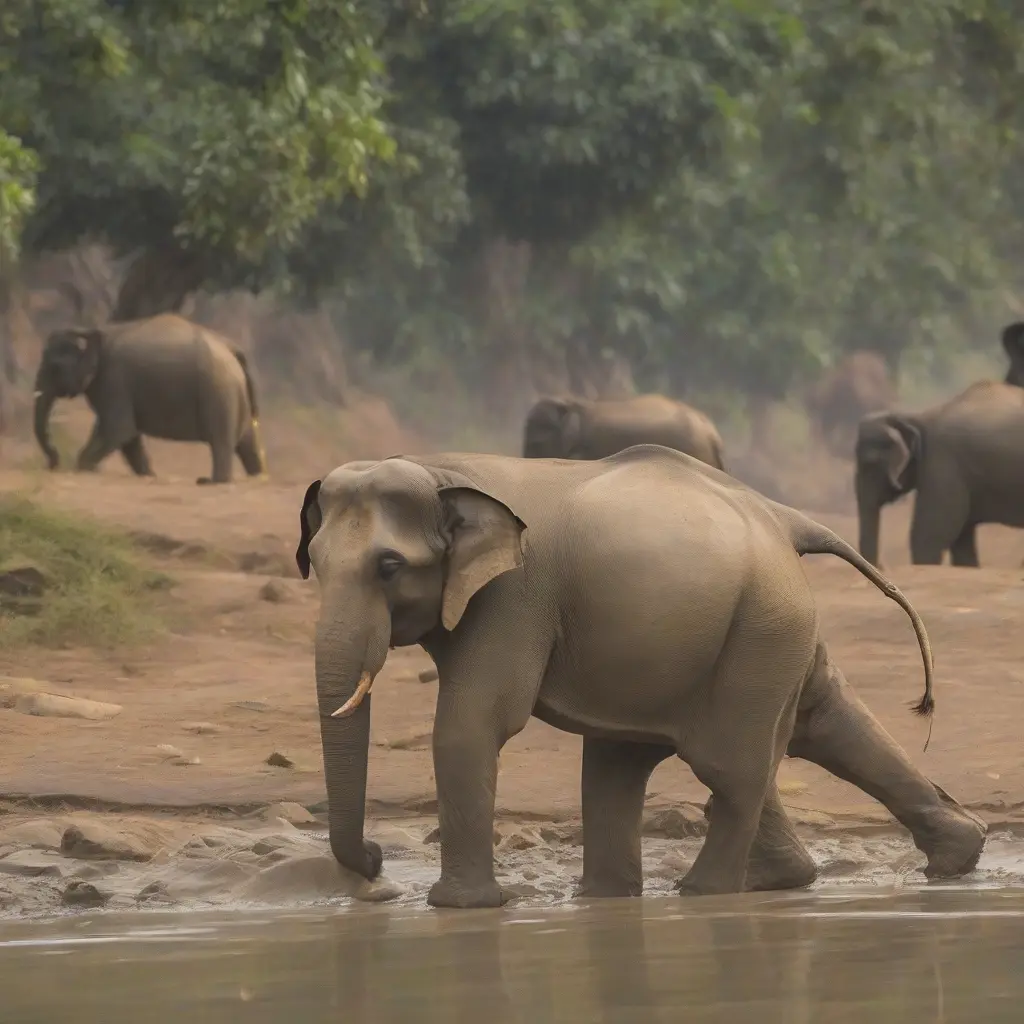
India is a land of diverse wildlife and rich biodiversity, making it a haven for nature lovers and wildlife enthusiasts. However, the challenge arises when attempting to enjoy these experiences without contributing to over-tourism, which can harm ecosystems and local communities. Responsible wildlife tourism focuses on minimizing environmental impact while ensuring sustainable practices. This guide aims to provide practical tips for planning a wildlife experience in India that respects wildlife and their habitats, supporting both conservation and local cultures.
Understanding the Impact of Over-Tourism
Over-tourism occurs when a destination receives too many visitors, leading to strain on local resources, culture, and wildlife. In India, areas such as national parks and wildlife sanctuaries often suffer from this phenomenon, where the influx of tourists can disrupt animal behavior and degrade habitats. Understanding these impacts is crucial for travelers, as it emphasizes the importance of making informed choices about where and how to engage with wildlife. By recognizing these challenges, travelers can adopt practices that minimize their footprint and promote sustainable tourism.
Choosing the Right Destinations for Wildlife
Selecting wildlife destinations that prioritize conservation and sustainable practices is vital for responsible tourism. National parks like Bandhavgarh, Kanha, and Jim Corbett embrace eco-friendly initiatives that support both wildlife and local communities. Before visiting, research the park’s policies on visitor management and its approach to conservation. Opt for parks that limit the number of visitors or have guided tours led by knowledgeable naturalists. This ensures that your experience contributes positively to both wildlife protection and the local economy.
Supporting Eco-Friendly Accommodation
The choice of accommodation plays a significant role in responsible wildlife experiences. Look for eco-lodges or resorts that adopt sustainable practices such as water conservation, waste management, and support for local communities. Many of these accommodations also invest in conservation efforts and educate guests about local wildlife. By choosing to stay at eco-friendly lodges, you directly contribute to the preservation of the environment and promote sustainable economic opportunities for local residents.
Participating in Guided Tours and Ethical Safaris
Participating in guided tours led by ethical operators ensures that you gain insight into wildlife behavior while minimizing disturbances to their habitats. These operators often emphasize wildlife education, conservation, and the importance of observing animals from a respectful distance. Moreover, they usually comply with strict guidelines to safeguard the ecosystems they operate in. Engaging in such tours can enhance your experience while promoting responsible wildlife tourism practices. Always verify the credentials and reviews of tour operators before booking to ensure they align with ethical standards.
Respecting Wildlife and Their Habitats
When engaging with wildlife, it is essential to adopt a respectful approach. This includes maintaining a safe distance, refraining from feeding animals, and avoiding noise that may disturb them. Such behaviors not only protect animals but also contribute to their natural behaviors. Educating yourself about the local wildlife before your visit can also enhance your experience, allowing you to appreciate their roles in the ecosystem better. By demonstrating respect for wildlife, you encourage the continuation of ethical tourism practices and help maintain biodiversity.
Practicing Leave No Trace Principles
Following Leave No Trace principles is crucial when engaging in wildlife tourism. This approach advocates for minimally invasive practices, like cleaning up after yourself, staying on marked trails, and being mindful of your environmental impact. Limiting waste production and using biodegradable products contribute to the conservation of natural habitats. Additionally, educating fellow travelers about these principles can further promote responsible tourism. By embodying these practices, you support the sustainable management of natural areas and help preserve wildlife for future generations.
Engaging with Local Communities
Connecting with local communities enhances your wildlife experience while supporting conservation efforts. Many local initiatives focus on wildlife protection, education, and sustainable tourism. Engaging in community-run programs allows travelers to gain a deeper understanding of the local culture and environmental challenges faced by these communities. Purchasing handicrafts or supporting local guides ensures that the economic benefits of tourism reach those who are directly involved in conservation. This not only fosters a sense of responsibility but also strengthens relationships between travelers and local residents.
Recognizing Seasonality and Wildlife Patterns
Understanding wildlife patterns and seasonal behaviors can enhance your wildlife experience while addressing the issue of over-tourism. Certain times of the year may see an influx of tourists, potentially harming wildlife during critical breeding or migration seasons. By choosing to travel during off-peak seasons, you can reduce your impact on wildlife and contribute to a more balanced visitor distribution. Moreover, traveling at less crowded times often provides a more intimate experience with nature, allowing for better wildlife sightings and appreciation.
Contributing to Conservation Efforts
Many wildlife experiences offer opportunities to contribute directly to conservation efforts. From donation programs linked to national parks to volunteering opportunities with wildlife NGOs, becoming involved is a meaningful way to enhance your trip. Participating in conservation projects not only benefits wildlife but also enriches your understanding of ecological issues. Always verify the credibility of organizations before donating to ensure your contributions are effectively utilized. By supporting such initiatives, travelers help foster a culture of protection and respect for wildlife.
Conclusion
Planning a responsible wildlife experience in India requires careful consideration of various factors, including destination choice, accommodation, and interaction with wildlife. By taking proactive steps to minimize over-tourism and support conservation, travelers can enjoy India’s stunning biodiversity while helping to protect it. Embracing sustainable practices not only enriches personal experiences but also contributes to the broader goal of wildlife preservation, ensuring future generations can enjoy the natural beauty and diverse species that inhabit this incredible country.