
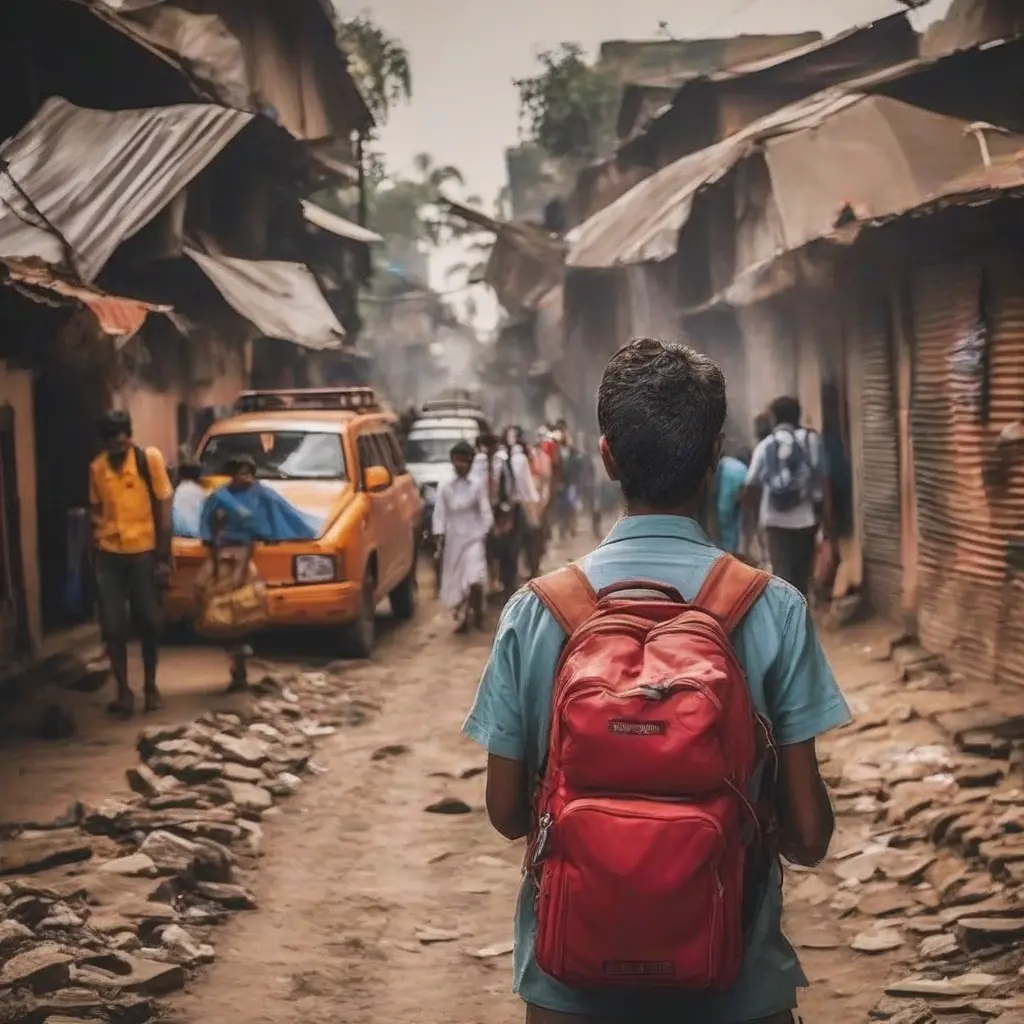
Traveling in India can be an exhilarating experience filled with vibrant culture, diverse landscapes, and historical wonders. However, it is essential to be prepared for emergency situations that may arise during your journey. From natural disasters to health emergencies, knowing how to respond can make a significant difference. This article will provide essential tips on preparing for emergencies in India, ensuring that your trip is enjoyable and safe. By being well-informed and adequately equipped, you will navigate potential challenges with confidence.
Research Your Destination
Before embarking on your journey, thorough research about your destination is crucial. Understanding the local environment, including weather patterns and natural disaster risks, allows you to prepare effectively. For instance, certain regions may experience monsoon floods, while others might be prone to earthquakes. Utilize online resources, guidebooks, and local news to gather information about your travel area. Engage with forums or social media groups to gain insights from fellow travelers who have visited in the past. Knowledge of potential risks can guide your emergency preparedness.
Create an Emergency Plan
An effective emergency plan is a vital component of travel safety. Establish clear protocols for various scenarios, such as natural disasters, medical emergencies, or theft. Identify multiple meeting points and emergency contacts in case you become separated from your group. Ensure that all traveling companions are familiar with the plan and know their roles in an emergency. Regularly review and practice the plan, adjusting it as necessary based on the specifics of your destination or changing situations. The more prepared you are, the more confident you will feel.
Pack an Emergency Kit
Carrying a well-stocked emergency kit can prove invaluable during travel. Your kit should include essential items such as first-aid supplies, medications, a flashlight, batteries, water purification tablets, and non-perishable food. It’s also wise to carry documents like photocopies of your passport, travel insurance information, and local emergency contact numbers. Customize your kit based on your specific travel plans, activities, and any personal health needs. Regularly check and replenish your kit to ensure that all items are in good condition and up to date.
Stay Informed About Local Emergency Services
Understanding local emergency services can aid significantly in crisis situations. Familiarize yourself with the local police, fire department, and ambulance services in the area you are visiting. Take note of the emergency numbers, as they may differ from those in your home country. Consider downloading local emergency apps or accessing official government resources to stay informed about potential threats or alerts. By knowing where to turn for help, you will be better equipped to respond quickly and effectively to any emergencies that may arise.
Keep Important Documents Accessible
Accessibility of important documents is critical during emergencies. Store essential documents such as your passport, visas, identification cards, and travel insurance in a secure yet easily reachable location. Consider using a travel wallet or pouch that can be worn under your clothes for added security. Additionally, taking digital copies of these documents on your smartphone or cloud storage can serve as a backup in case of loss or theft. Being able to present identification and insurance quickly will expedite assistance during emergencies.
Understand Health Risks and Immunizations
Traveling in India may expose you to various health risks, including diseases that are preventable through vaccination. Before your trip, consult with a healthcare professional to determine which immunizations are recommended, such as Hepatitis A, Typhoid, or Tetanus. Additionally, familiarize yourself with local healthcare facilities and pharmacies. Carry any required medications along with documentation from your doctor. Being aware of health risks and taking preventive measures is key to staying healthy during your travels and minimizing unexpected medical emergencies.
Utilize Travel Insurance
Travel insurance provides peace of mind and financial protection against unforeseen events while traveling. Be sure to choose a comprehensive plan that covers medical emergencies, trip cancellations, lost luggage, and theft. Carefully read the policy to understand coverage limits and exclusions. In an emergency, knowing that you have assistance available and costs covered can reduce stress significantly. Carry your insurance information and have local emergency numbers handy. This preparation can serve as a safeguard against financial burdens associated with unexpected incidents.
Stay Connected
Maintaining communication is essential during travels, especially in emergencies. Ensure you have access to a mobile phone and international roaming or a local SIM card to stay connected. Share your itinerary and emergency contacts with family or friends at home. Consider downloading messaging apps that work in low connectivity, enabling you to communicate even without cellular service. Using social media to update your status can also help loved ones know you are safe. Being connected enhances your ability to seek and receive help when needed.
Trust Your Instincts
Trusting your instincts is a fundamental yet often overlooked aspect of traveling. If something doesn’t feel right, whether it involves a location, person, or situation, don’t hesitate to remove yourself from it. Always prioritize your personal safety and well-being over convenience. Stay aware of your surroundings and be cautious in unfamiliar settings. Having a sense of intuition can guide your decisions and help you avoid potential dangers during your travels. Trusting your gut can be a powerful tool in ensuring a safe adventure.
Conclusion
Preparing for emergencies while traveling in India is a crucial aspect of ensuring a safe and enjoyable experience. By conducting thorough research, creating an emergency plan, packing essential supplies, and staying informed, you can navigate potential challenges with confidence. It’s essential to remain flexible and adapt to unexpected situations while trusting your instincts. With these essential tips in mind, you can embark on your journey knowing that you are well-prepared for any emergencies that may arise.