
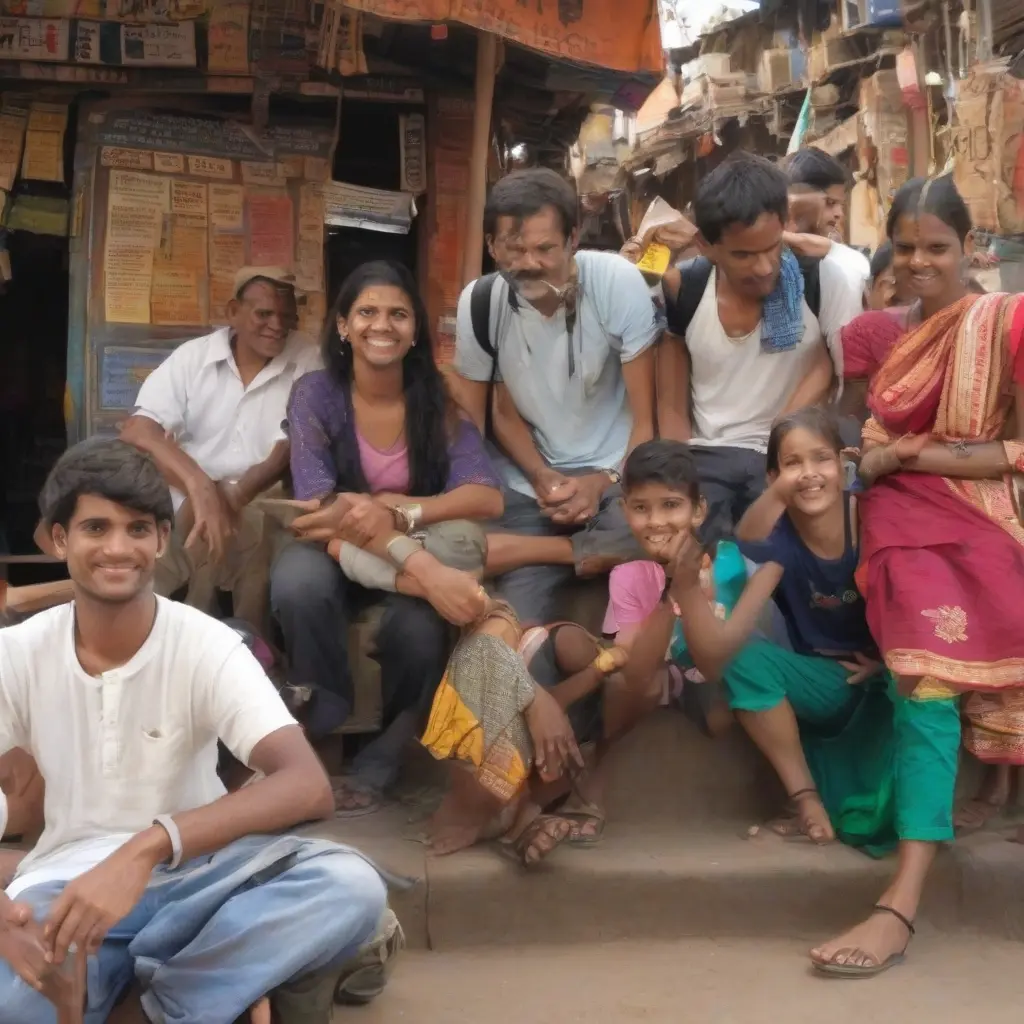
Traveling in India can be an exhilarating experience filled with vibrant culture and diverse traditions. However, one of the most daunting challenges travelers face is navigating language barriers. With over 122 major languages and numerous dialects spoken across the country, effective communication can often feel overwhelming. This article provides essential tips to help travelers overcome these challenges, ensuring a more enjoyable and fulfilling journey through India.
Understanding India’s Linguistic Diversity
India’s linguistic landscape is incredibly diverse, with Hindi and English being two of the most widely spoken languages. Each state often has its own regional language, contributing to a rich tapestry of dialects and tongues. While major cities may have a higher prevalence of English speakers, rural areas might present more challenges for communication. Being aware of this diversity can help travelers prepare accordingly and develop strategies to bridge communication gaps effectively.
Learning Basic Phrases
One effective way to engage with locals and navigate language barriers is by learning a few basic phrases in the local languages. Simple greetings, thank you, and asking for help can go a long way in establishing rapport. Hindi is a useful language to know as it is spoken widely, but familiarizing yourself with regional languages can enhance your experience. Apps and phrasebooks can aid in this effort, making it easier to pick up essential expressions before and during your travels.
Using Translation Apps
In the digital age, translation apps have become invaluable tools for travelers facing language barriers. Applications such as Google Translate allow users to translate text, voice, and even images of signs and menus. These apps often enable conversations in real-time, making it simpler to communicate. However, it’s essential to download necessary language packs ahead of time or use these apps offline to avoid issues with connectivity in rural areas.
Hiring Local Guides
Hiring a local guide can significantly ease the stress of navigating language barriers. Local guides are usually fluent in both English and their native language, allowing for seamless communication. They can also provide insights into cultural nuances that are crucial for respectful interaction. Additionally, having a guide can enhance your travel experience by offering local knowledge and addressing specific needs that arise during your journey.
Utilizing Non-Verbal Communication
When words fail, non-verbal communication can be a powerful tool. Gestures, body language, and facial expressions can convey messages effectively. Things like pointing at objects, miming actions, or even using visual aids can bridge communication gaps. Engaging in friendly expressions helps foster a warm atmosphere, often leading to better understanding and connection, even when language differences exist.
Engaging with Visuals and Signage
India is rich in vibrant art and design, and visuals can significantly aid in overcoming language barriers. Many signs, menus, and maps include images that provide context. Observing your surroundings can help clarify instructions or direct you to services. Furthermore, always be on the lookout for illustrated signs in public transport and tourist areas, as they can provide critical information without relying solely on text.
Being Patient and Open-Minded
A crucial aspect of navigating communication gaps is maintaining patience and an open mind. Language barriers can lead to misunderstandings, which could be frustrating. By approaching interactions with a sense of humor and willingness to learn, travelers can create a more constructive environment. Patience helps both you and those you’re communicating with feel more at ease, making conversations more meaningful despite challenges.
Cultural Sensitivity in Communication
Understanding cultural contexts can dramatically improve communication. Certain gestures may have different meanings across cultures, potentially leading to misunderstandings. Expressing genuine interest and respect towards local customs can create a more pleasant atmosphere. Additionally, being aware of local etiquette will make your interactions smoother, helping you convey your intentions accurately and respectfully.
Participating in Cultural Exchange
Engaging in cultural exchange provides an excellent opportunity to bridge communication gaps. Participate in community events or workshops that invite interaction with locals. Such experiences offer a chance to learn basic language skills in a practical context while also fostering goodwill. Sharing stories about your own culture can spark conversations and build connections that transcend language barriers.
Building Connections through Technology
Social media and online platforms can serve as excellent tools for establishing connections before and during your travels in India. Platforms like Meetup can help you find local groups or events that match your interests. Engaging with locals online can facilitate smoother in-person interactions, as you may find common ground or language exchange partners who can assist you during your visit.
Maximizing Your Travel Experience
Language barriers should not deter anyone from enjoying the diverse experiences India has to offer. Whether it’s tasting local cuisine, visiting historical sites, or participating in cultural festivities, connecting with locals enhances your journey. Effective communication strategies can transform simple encounters into enriching cultural exchanges, making every travel moment memorable. Embrace the challenges and enjoy the unique experiences India has to offer!
Conclusion
Navigating communication gaps in India requires preparation, patience, and willingness to engage with the local culture. By learning a few phrases, utilizing technology, and keeping an open mindset, travelers can significantly enhance their experience. These strategies not only help overcome language barriers but also foster a deeper connection with the local people, creating a more rewarding travel journey.