
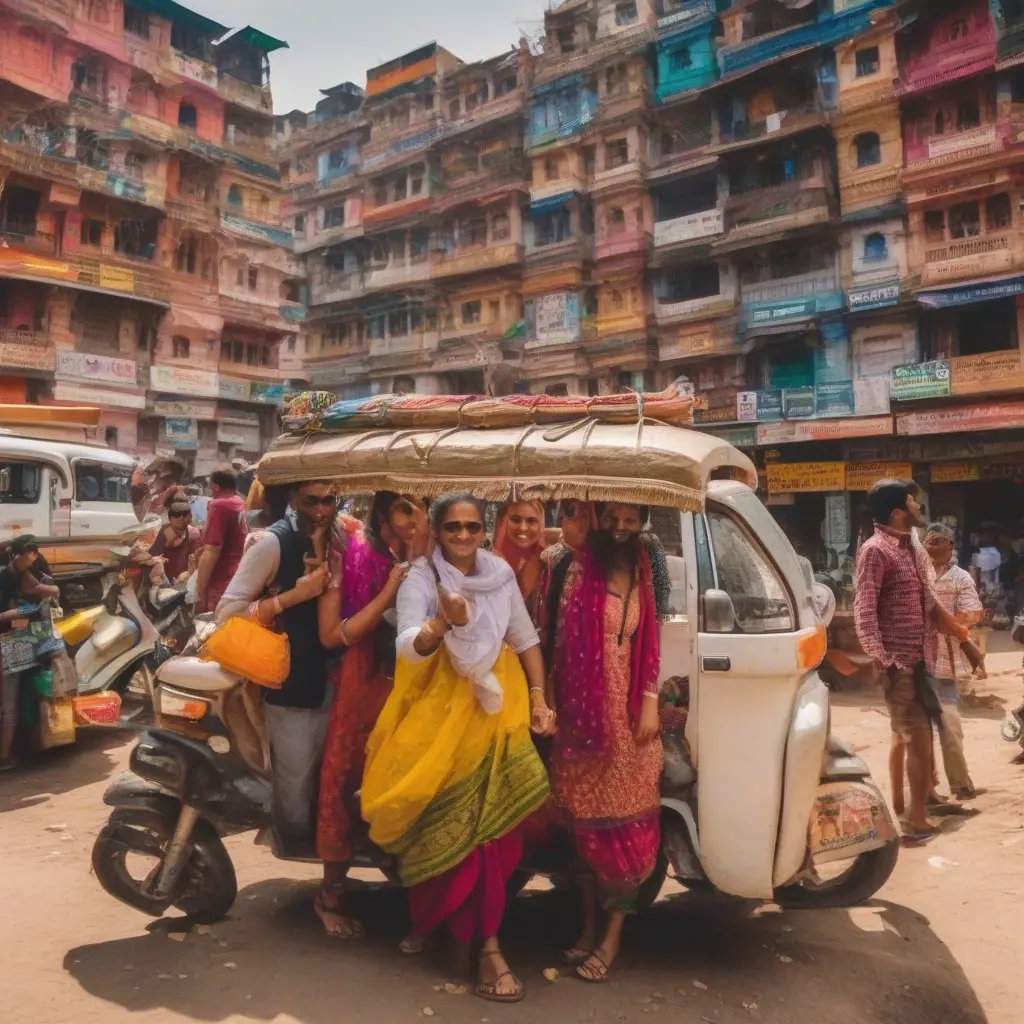
Traveling in India on a budget can be an enriching experience without breaking the bank. With its diverse culture, stunning landscapes, and rich history, it offers countless opportunities for adventure at low costs. From understanding local transportation options to finding affordable accommodations, this guide will arm you with practical tips on smart spending. Whether you’re a backpacker or a family on vacation, these insights will help you navigate India while keeping expenses in check, ensuring that you can savor all the beauty it has to offer.
Choose Affordable Destinations in India
When traveling in India, opting for lesser-known destinations can drastically reduce your expenses. Popular cities like Delhi and Mumbai can be more expensive, so consider places like Rishikesh or Jaisalmer. These towns not only offer unique cultural experiences but also affordable accommodations and cheap local cuisine. Research and find regions that are budget-friendly yet captivating; this way, you can explore stunning landscapes and local traditions while keeping travel costs low.
Utilize Public Transportation
One of the best ways to save money while traveling in India is by using public transportation. Buses, trains, and even auto-rickshaws are readily available and are often more budget-friendly than taxis. For long-distance travel, Indian Railways provides numerous options catering to different budgets. Local buses can take you to numerous sites without overextending your wallet. Research transportation routes and schedules ahead of time to navigate efficiently, ensuring a cost-effective journey.
Find Budget Accommodations
Accommodations in India can range from luxury hotels to budget hostels, making it easier to find a place that fits your budget. Websites like Hostelworld and Booking.com list budget-friendly hostels where you can meet fellow travelers. Additionally, consider guesthouses or homestays, which often involve lower prices and offer a chance to experience local traditions. Remember to check for reviews before booking to ensure a safe, clean, and comfortable stay.
Eat Like a Local
Sampling local cuisine is a fundamental part of experiencing India’s vibrant culture, and eating like a local can also save you money. Street food vendors and local eateries offer delicious meals at a fraction of the price of upscale restaurants. Padmanabhaswamy Temple’s vicinity in Thiruvananthapuram, for instance, boasts affordable options with authentic flavors. Be adventurous and try regional specialties to enhance your journey without straining your budget.
Bargain Wisely in Local Markets
Haggling is an expected practice in many local markets across India. When shopping for souvenirs or local products, approach the bargaining process with confidence. Begin by offering a price lower than what the seller asks, and maintain a friendly demeanor throughout. It’s not just about getting the best price; it’s part of the cultural experience. Knowing how to negotiate can significantly reduce your expenses while providing a sense of achievement and local engagement.
Plan Your Activities in Advance
Planning ahead can help you save money on activities and attractions. Many historical sites and parks offer discounts for early bookings or group rates. Research free activities, such as local festivals, temple visits, or cultural performances, which often showcase the region’s heritage. By prioritizing low-cost experiences, you can immerse yourself in local culture while managing your budget effectively.
Travel During Off-Peak Seasons
Timing your trip can have a profound impact on your overall travel budget. Traveling during off-peak seasons, like the monsoon months or just before tourist season starts, can lead to substantial savings on accommodations and activities. Furthermore, fewer crowds make for a more pleasant experience as you explore popular attractions. Research peak seasons for different states and plan your trip accordingly to enjoy both savings and a richer experience.
Stay Connected Without Overspending
In our digitally driven world, staying connected while traveling is crucial. However, international roaming charges can quickly inflate your phone bill. Instead, consider buying a local SIM card upon arrival; they typically offer affordable data and call packages. Many Indian cities also have a variety of Wi-Fi hotspots. Utilizing these options can keep you connected for navigation and communication, allowing you to save money while managing your communication needs.
Engage with Locals for Recommendations
One of the best ways to optimize your travel experience while saving money is to interact with locals. They can provide insider tips on affordable food joints, off-the-beaten-path attractions, and may even invite you to cultural events. Engaging with the community enriches your travel experience, adding authenticity while potentially leading to cost-saving benefits. Building connections can make your journey more rewarding and budget-friendly.
Make Use of Travel Apps
Various travel apps can help enhance your experience while keeping costs in check. Apps like Google Maps assist with navigation, while travel budget trackers allow you to monitor your spending. Consider using food and hotel comparison apps to find the best deals. These digital resources can simplify planning and ensure that you’re getting the most value out of your travel investments, making them essential tools for any budget traveler.
Conclusion
Traveling in India on a shoestring budget is entirely feasible with the right strategies. By embracing local culture, finding affordable accommodations, utilizing public transport, and planning your activities wisely, you can experience this incredible country without overspending. Each tip provides a pathway to discovering the rich tapestry of India while maximizing your limited resources, ensuring an unforgettable adventure.