
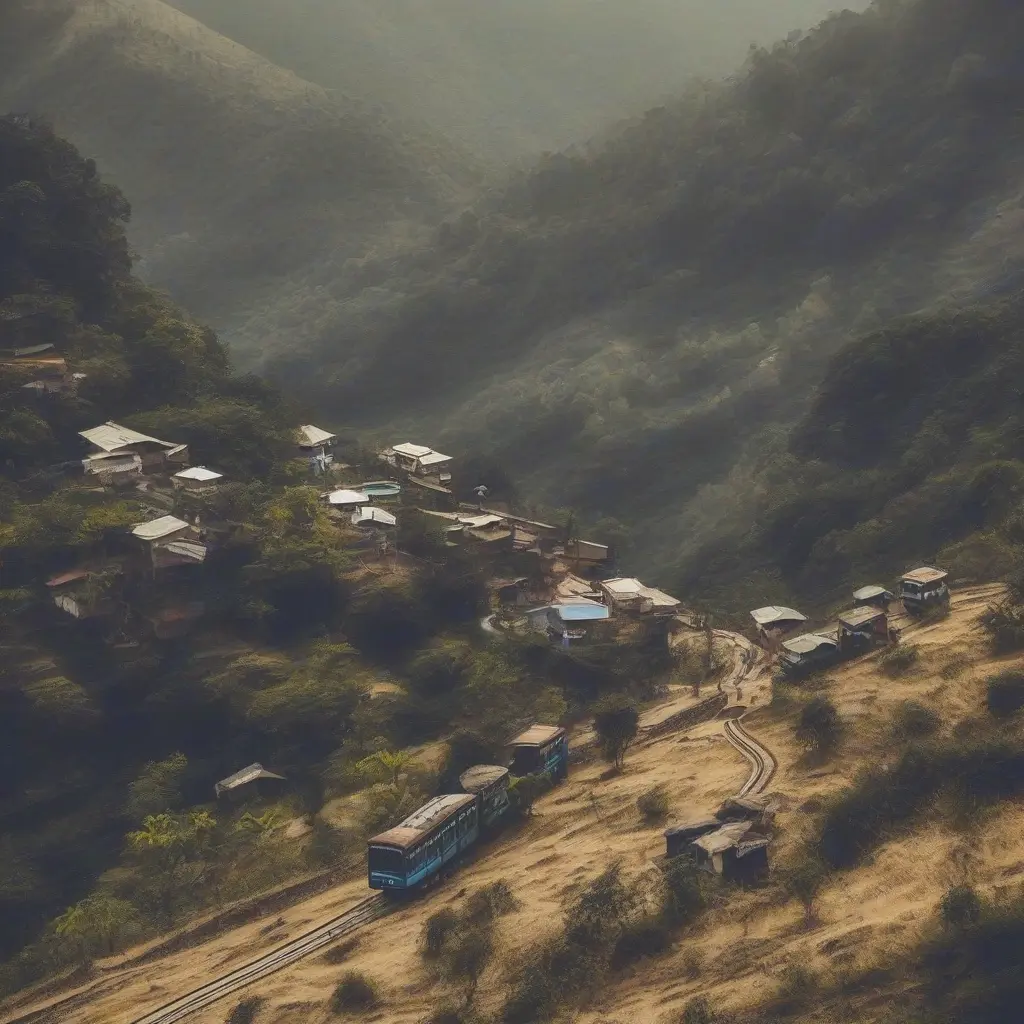
Planning a leisurely trip to India’s hill stations offers a refreshing escape from the hustle and bustle of city life. These picturesque locales are ideal for nature lovers, adventure enthusiasts, and those seeking relaxation amidst the stunning backdrop of the Himalayas. To maximize your experience, consider the best times to visit, activities suited to your interests, and unique aspects of each destination. With careful planning, you can enjoy the rich cultural heritage and natural beauty that these hill stations have to offer.
Understanding India’s Hill Stations
India is home to numerous hill stations that vary in landscapes, culture, and climate. From the lush valleys of Shimla and Manali to the serene settings of Ooty and Munnar, each offers distinct experiences. Hill stations were originally developed during the British colonial era as summer retreats, and they continue to attract travelers seeking cooler temperatures and natural beauty. Understanding the features and attractions of various hill stations can help you decide which ones align with your interests and preferences.
Best Times to Visit Hill Stations
The optimal time to visit most hill stations in India typically falls between March and June, when the weather is pleasantly cool. This period caters to families, honeymooners, and nature enthusiasts alike, offering opportunities for trekking, sightseeing, and exploring local festivities. Another favorable season is from September to November, as the monsoon recedes and lush greenery emerges, enhancing the hill stations’ charm. Winter months also attract tourists for snow activities in particular regions, such as Manali and Auli.
Activities to Enjoy in India’s Hill Stations
The activities you can partake in at India’s hill stations are diverse and cater to various interests. Adventure seekers may enjoy trekking, paragliding, or mountain biking in destinations like Manali and Rishikesh. For those who prefer relaxation, activities such as nature walks, bird watching, and enjoying tea plantations in places like Munnar and Darjeeling are ideal. Cultural experiences, such as visiting local temples and markets, add a rich dimension to your trip, showcasing the vibrancy of the area’s heritage.
Exploring Local Cuisine
One of the delights of visiting hill stations is indulging in local cuisine, which often features unique flavors and ingredients. Many hill stations offer traditional Indian fare, as well as local specialties that reflect the region’s culture. For example, Himachali dishes like Chana Madra and Siddu in Shimla provide a taste of the local flavors. Similarly, in Munnar, you can relish Kerala-inspired meals made with fresh spices. Exploring these culinary experiences enhances your understanding of the region’s culture and traditions.
Accommodations for a Comfortable Stay
Choosing the right accommodation is crucial for a comfortable stay in hill stations. Options range from luxury resorts and heritage hotels to budget guesthouses and homestays. Many properties offer stunning views of the mountains and valleys, providing a tranquil atmosphere. Booking well in advance, especially during peak tourist seasons, ensures you secure your ideal lodging. Prioritizing amenities such as complimentary breakfast, guided tours, and proximity to local attractions can enrich your overall experience during the trip.
Packing for Your Trip
Effective packing is key to enjoying a leisurely trip to hill stations, as the weather can vary greatly between day and night. Light, breathable clothing is suitable for daytime excursions, while warmer layers are recommended for the cooler evenings. Don’t forget essentials such as a good pair of walking shoes, sunscreen, and a raincoat, especially if traveling during the monsoon season. Including personal items like a camera to capture breathtaking scenery can enhance your travel memories.
Navigating Transportation Options
Getting to and around hill stations requires some planning, as options may differ based on the destination. Most hill stations are accessible by road and are well-connected to major cities via bus services or self-drive options. For remote locations, train travel to nearby cities followed by taxi or leased vehicles may be necessary. While on-site, many travelers use local taxis or rental bikes to explore the surroundings conveniently. Understanding these transportation methods in advance can ease your travel logistics.
Cultural Etiquette in Hill Stations
Cultural etiquette plays a crucial role in ensuring a pleasant visit to India’s hill stations. Respect for local customs and traditions enhances interactions with residents. Dress modestly when visiting temples or during local festivals, and always ask for permission before photographing individuals. Learning a few basic phrases in the local language can go a long way in fostering goodwill. Being polite and observing local norms make for a richer, more immersive travel experience.
Conclusion
Planning a leisurely trip to India’s hill stations can be a rewarding experience that combines natural beauty, adventure, and cultural immersion. By carefully considering the best times to visit, engaging in diverse activities, and adhering to local customs, you can create lasting memories in some of the country’s most beautiful landscapes. Remember to pack wisely, choose suitable accommodations, and enjoy the local cuisine to make the most of your trip.