
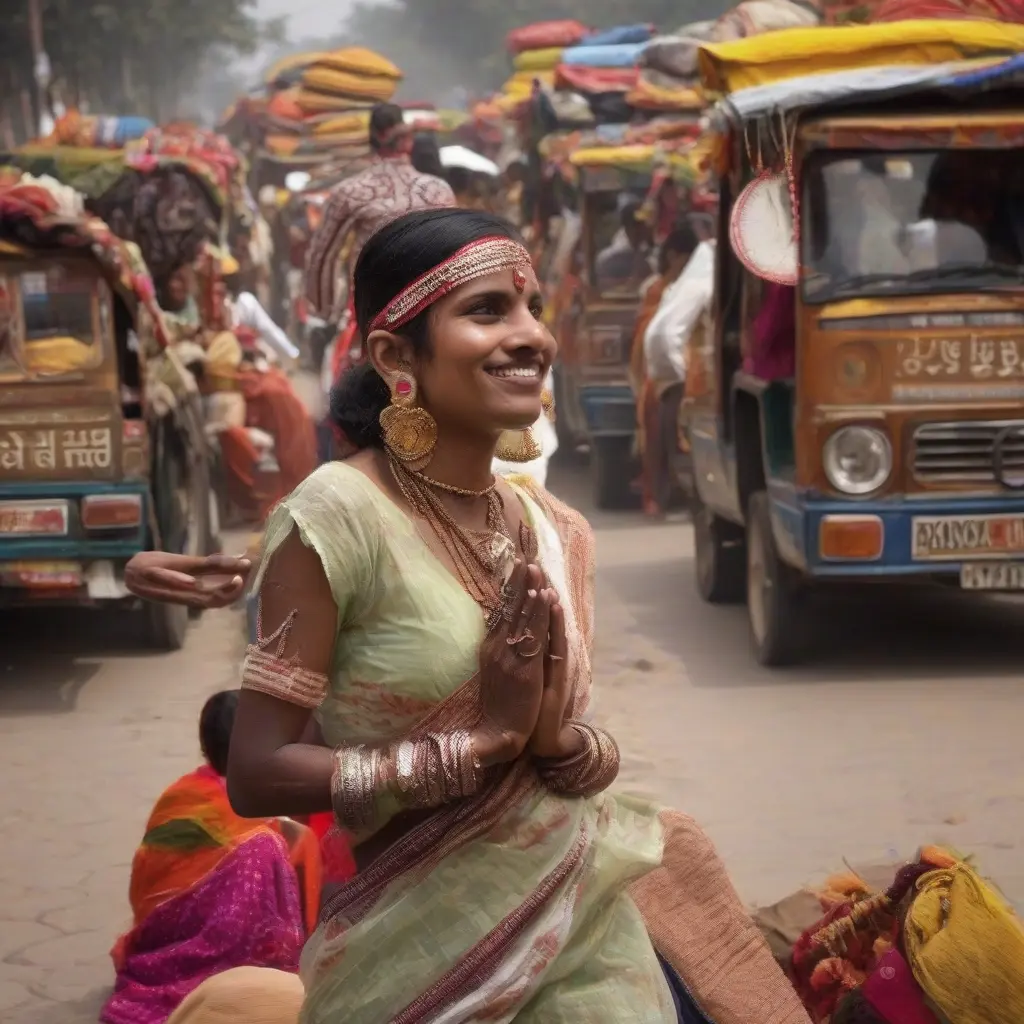
Traveling in India offers a vibrant tapestry of culture, traditions, and experiences that can deeply enrich your journey. Embracing local culture while traveling allows you to connect more profoundly with the communities you visit and to appreciate their way of life. From indulging in regional cuisines to participating in local festivals, there are countless ways to make your journey memorable and authentic. This article will provide practical tips for cultural immersion in India, empowering you to navigate its diverse cultural landscape.
Learn Basic Local Language Skills
Learning basic phrases in the local languages can vastly improve your experience in India. Hindi is widely spoken, but many regional languages, such as Tamil, Bengali, or Punjabi, are prevalent depending on where you are traveling. Simple greetings, thank-yous, and questions can help break the ice and show respect for the local culture. Many locals appreciate the effort, and it often leads to warmer interactions. Furthermore, it can help you navigate public transport, restaurants, and markets while providing insights into the culture through language.
Participate in Local Festivals
India is renowned for its rich array of festivals, each reflecting the region’s unique culture and traditions. Participating in local festivals, such as Diwali or Holi, offers firsthand insight into the country’s customs and communal spirit. Festivals are characterized by vibrant colors, joyful music, and enriching food, making them an excellent opportunity for cultural immersion. Engaging in these celebrations not only enhances your travel experience but also fosters connections with locals who are excited to share their traditions with visitors.
Try Regional Cuisines
Exploring India’s diverse culinary landscape is essential for cultural immersion. Each state boasts its own special dishes, ingredients, and cooking methods, offering a deeper understanding of the local way of life. Try street food in cities like Mumbai or savor the flavors of Punjabi cuisine in Amritsar. Dining in local restaurants or even participating in a cooking class can provide a hands-on approach to understanding the culture. Traditional meals often reflect historical influences, local agriculture, and communal dining practices, making each dish a rich narrative of India’s heritage.
Engage with Local Artisans
Connecting with local artisans can provide a unique glimpse into the cultural fabric of India. From handwoven textiles to traditional pottery, each artisan’s craft tells a story deeply rooted in local history and traditions. Visiting workshops and markets allows you to see these artisans at work, and often, they are eager to share their skills and stories. This not only helps support the local economy but also fosters respect for craftsmanship and encourages meaningful exchanges with skilled craftsmen who can pass on their knowledge.
Stay with Locals
Opting for home stays or staying in local guesthouses can significantly enhance your cultural experience. These accommodations provide a more intimate environment to observe day-to-day life and to interact closely with local families. You may participate in shared meals, learn about local customs, and gain insights into the community’s traditions. This personalized experience often leads to lasting friendships and a much deeper understanding of the culture and its people. Immersing yourself in a local household allows profound connections that a hotel stay cannot replicate.
Attend Cultural Workshops
Participating in cultural workshops offers a hands-on experience that can deepen your understanding of India’s heritage. Workshops often cover activities such as traditional dance forms, music, crafts, or even yoga. Engaging in these activities allows you to connect with the local community and provides a practical approach to learning about their traditions. Such experiences can enhance your appreciation of the cultural nuances and the significance behind them, creating memorable interactions that extend beyond mere observation.
Respect Local Customs and Dress Codes
Understanding and respecting local customs and dress codes is vital when traveling in India. Many regions have specific expectations for attire, especially in religious or rural areas. Dressing modestly and adhering to cultural norms can prevent misunderstandings and shows respect for the local way of life. Observing how locals dress and interacting with them in a way that honors their customs can enhance your experience. Adapting to these cultural expectations can pave the way for more authentic connections and enrich your travel experience.
Explore Off-the-Beaten-Path Destinations
Exploring lesser-known destinations can provide a more genuine cultural experience compared to popular tourist spots. Places like Hampi, Varanasi, and the rural villages of Rajasthan often retain traditional ways of life and offer a slower pace of exploration. In these areas, you can engage more meaningfully with the local culture, cuisine, and customs. Interacting with people in quieter settings promotes authentic exchanges, helping you to experience the real essence of Indian life, far from the tourist crowds often found in major cities.
Stay Patient and Open-Minded
Embracing local culture requires patience and an open mind, especially in a diverse country like India. Given the variety of customs, languages, and lifestyles, situations may arise that challenge your expectations. Approaching these moments with curiosity rather than frustration can lead to valuable learning experiences. Engaging with curiosity opens opportunities for dialogue and understanding. Through an open-minded perspective, you can appreciate the richness of differences and savor the myriad experiences that cultural immersion in India has to offer.
Conclusion
Embracing local culture while traveling in India goes beyond mere observation; it requires active engagement, respect, and curiosity. By learning languages, participating in cultural activities, and respecting local customs, you enrich not only your travel experience but also establish meaningful connections with the people you encounter. Ultimately, these experiences create lasting memories and a deeper understanding of India’s diverse cultural landscape, allowing travelers to return home with a wealth of knowledge and appreciation.