
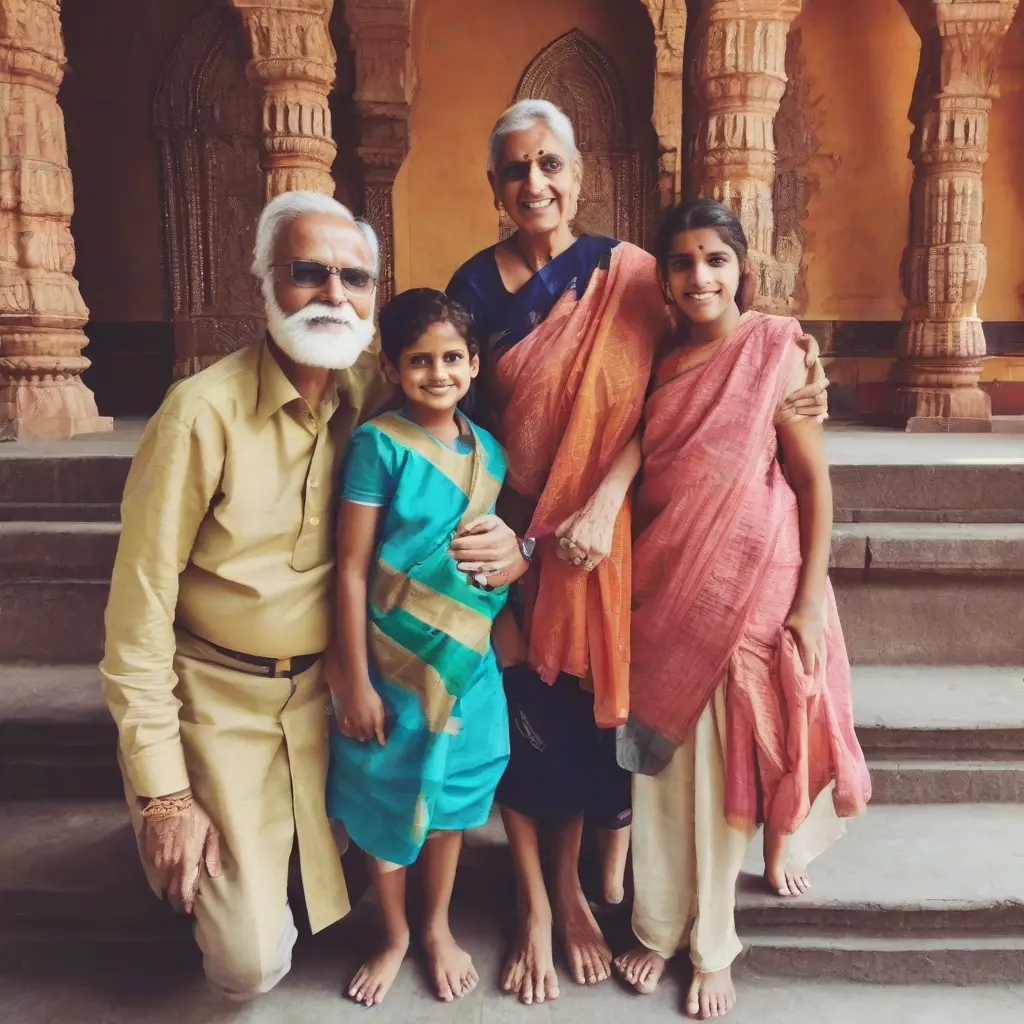
Planning a multi-generational family trip in India can be a rewarding experience that creates lasting memories for everyone involved. With a rich cultural tapestry and diverse landscapes, India offers countless opportunities for adventure, relaxation, and cultural exploration. However, the key to a successful trip lies in careful planning that caters to the varied interests and needs of family members of all age groups. This guide outlines best practices to help you navigate the complexities of trip planning while ensuring a memorable journey for your entire family.
Identify Interests of All Family Members
Before finalizing any travel plans, it’s crucial to gather input from each family member to identify their interests and preferences. Younger children may prefer theme parks or nature experiences, while older adults might lean towards cultural sites or serene locations. By creating a list of potential activities that appeal to various generations, you can develop an itinerary that keeps everyone engaged and happy. Open discussions can also help in addressing any potential conflicts in preferences, leading to a trip that satisfies the collective desires of the group.
Choose Family-Friendly Destinations
Selecting the right destinations is fundamental for a successful multi-generational trip. Locations like Rajasthan, Kerala, or Goa are not only rich in culture but also offer family-friendly activities. Places with a mix of historical landmarks, outdoor adventures, and recreational options will cater to the diverse age groups. Ensure that destinations provide accessible accommodations and facilities that can accommodate family members comfortably. Family-friendly resorts often offer activities for different age groups, making it easier to have fun while ensuring safety.
Plan a Flexible Itinerary
A rigid itinerary can lead to exhaustion or frustration, especially when traveling with a diverse group. Instead, creating a flexible itinerary allows family members to enjoy activities at their own pace. Consider dedicating specific days for rest or light exploration, which can be particularly beneficial for older adults and younger children. Additionally, leave room for spontaneous activities; the ability to adjust plans can lead to unexpected adventures that everyone will cherish. This balance between structured events and free time is key for an enjoyable experience.
Incorporate Rest Days
Multi-generational trips can become tiring, especially with a packed schedule that includes numerous activities. To prevent fatigue and ensure everyone enjoys the trip, it’s essential to incorporate rest days into your travel itinerary. These days can be spent enjoying leisure time at your accommodation, exploring local markets, or simply enjoying family bonding moments. Providing the opportunity to recharge enhances the overall experience and allows family members to fully participate in scheduled adventures with renewed energy.
Consider Age-Specific Activities
Incorporating age-specific activities into your itinerary can significantly enhance the experience for family members at different life stages. For instance, while younger children might enjoy interactive experiences like wildlife safaris or educational workshops, older family members could appreciate visits to heritage sites or spiritual retreats. Researching options tailored for different age groups helps in ensuring that everyone has a memorable experience. This strategic approach minimizes the chances of any family member feeling left out or bored during the trip.
Prioritize Accessibility and Comfort
Accessibility should be a top consideration when planning your trip, especially for elderly family members or those with mobility issues. Research the accessibility features of accommodations, transportation, and attractions beforehand. Opt for comfortable travel modes, such as trains or private vehicles, to facilitate smoother transitions between destinations. Ensuring the comfort of all family members will foster a more enjoyable experience and reduce travel-related stress. Make use of facilities like elevators, ramps, and wheelchairs at tourist sites when necessary.
Engage in Family Bonding Activities
Incorporating activities that promote family bonding can significantly enhance your trip experience. Engaging in group activities such as cooking classes, traditional dance lessons, or outdoor games fosters connection among family members. These shared experiences encourage communication, laughter, and teamwork, creating memories that strengthen family ties. Opt for experiences that reflect local cultures, such as festivals or artisan workshops, to enrich the trip with authenticity and deepen relationships through cultural appreciation.
Plan for Dietary Preferences
When traveling with a multi-generational family, it’s crucial to consider the dietary preferences and restrictions of each member. India is known for its diverse cuisine, which can cater to various tastes, including vegetarian, vegan, gluten-free, and more. Identify restaurants and eateries that can accommodate these preferences in advance to avoid inconveniences during your trip. Engaging the family in local food markets or cooking classes can also be a fun way to explore different culinary traditions while ensuring everyone can enjoy the meals offered.
Utilize Technology for Coordination
Leveraging technology can significantly streamline the planning process and help coordinate the needs of family members during the trip. Use group messaging apps to keep everyone informed about daily schedules, activity changes, or meeting points. Create shared documents to track expenses, itineraries, and important information such as emergency contacts. Utilizing shared calendars can also help in avoiding conflicts and enhancing communication within the group, making the trip planning and execution process smoother and more enjoyable.
Capture Memories Together
Documenting your multi-generational family trip can create a treasure trove of memories for everyone involved. Encourage family members to take photos and share them with each other in real-time, creating a collective album that everyone can contribute to. Consider creating a scrapbook or a shared digital album post-trip to revisit the special moments together. Engaging in storytelling sessions can also be a traditional way to remember the highlights of the trip, enhancing the bond among family members while reflecting on the experiences shared.
Conclusion
Planning a multi-generational family trip in India can be a fulfilling endeavor that requires thoughtful consideration of each family member’s needs and preferences. By focusing on open communication, flexibility, and inclusivity, you can create an enriching experience filled with unforgettable memories. Whether it’s enjoying vibrant cultural experiences or simply relaxing together, a well-planned trip can strengthen family bonds and create lasting joy for generations to come.