
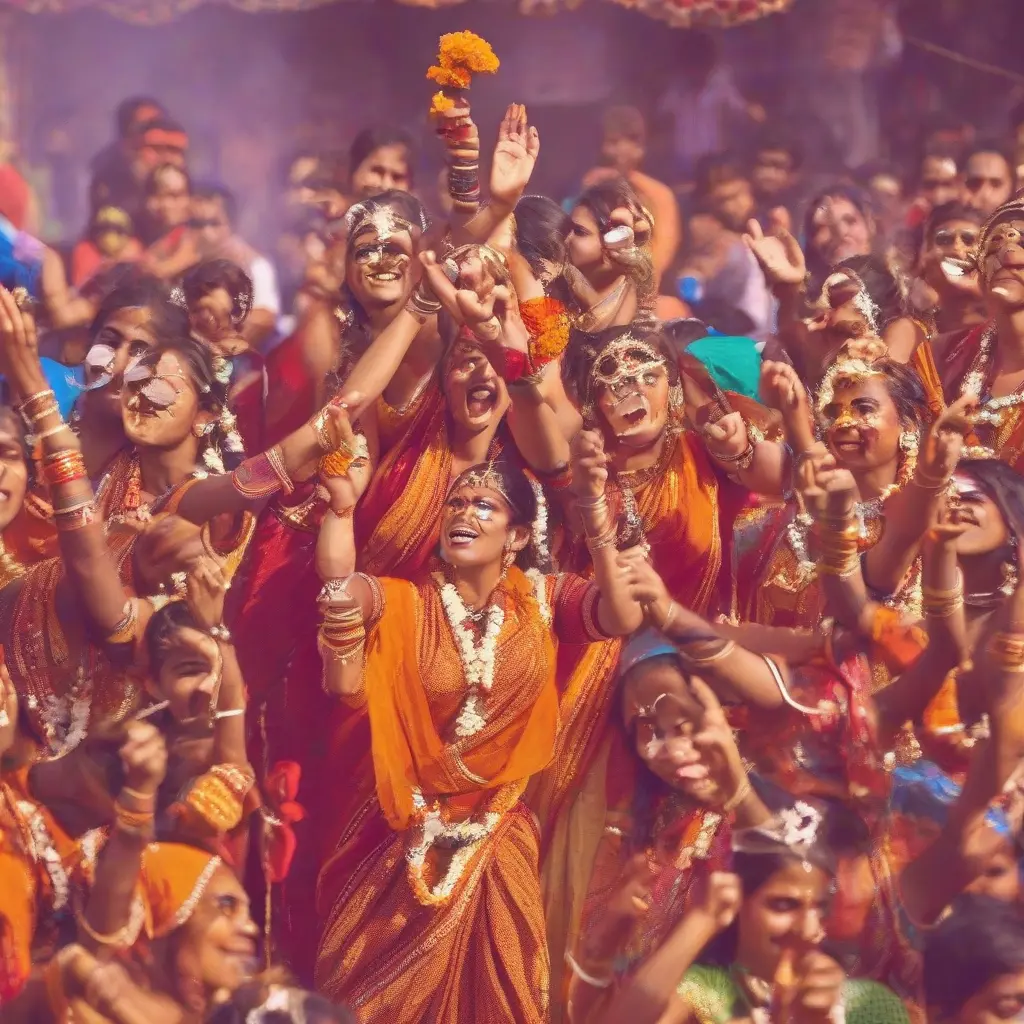
India is incredibly rich in cultural diversity and vibrant traditions, making it a remarkable destination for travelers seeking unique experiences. Local festivals across the country offer insight into the customs, rituals, and community spirit of various regions. Planning your travel itinerary around these significant events can provide a deeper understanding of Indian culture and heritage. Whether you’re interested in colorful parades, spiritual ceremonies, or local cuisines, experiencing festivals in India can turn an ordinary trip into an extraordinary journey filled with unforgettable memories.
Understanding the Importance of Festivals in India
Festivals in India serve multiple purposes, from celebrating religious beliefs to marking seasonal changes. They act as a means of uniting people from diverse backgrounds and are often rooted in ancient traditions. Each festival reflects the unique culture and history of the region in which it is celebrated, offering travelers a chance to witness local customs that would otherwise remain unseen. Understanding the significance of these events can enhance your appreciation for the local lifestyle and create a profound connection between you and the communities you visit.
Planning Your Trip Around Major Indian Festivals
To experience India authentically, it’s essential to plan your trip around major festivals. Events such as Diwali, Holi, Eid, and Durga Puja attract millions of visitors and participate in enriching experiences. Research the specific dates and locations of these festivals well in advance, as accommodations can fill up quickly during peak times. Tailor your travel itinerary to include these vibrant celebrations, ensuring you allow time for local ceremonies, street food, and other cultural activities. This well-thought-out planning can contribute significantly to your overall travel experience and enjoyment.
Experiencing Diwali: The Festival of Lights
Diwali is one of the most celebrated festivals in India, known as the Festival of Lights. Observed in October or November, it symbolizes the victory of light over darkness and good over evil. The streets are adorned with colorful lights, and homes are decorated with oil lamps and rangoli designs. Traveling to cities like Jaipur or Varanasi during this time offers a unique opportunity to partake in rituals and enjoy fireworks displays. Sampling traditional sweets and participating in family gatherings can make your Diwali experience even more special and personal.
Celebrating Holi: The Festival of Colors
Holi, the Festival of Colors, usually takes place in March and marks the arrival of spring. This exuberant festival invites participants to throw colored powders at each other, symbolizing love and unity. The energy during Holi is infectious, creating a joyful atmosphere in cities like Mathura and Vrindavan. Attending Holi celebrations offers a unique cultural experience, where community events, music, and dance play a central role. Ensure to dress comfortably and be prepared to immerse yourself in this lively celebration of colors and joy.
Durga Puja: A Celebration of Power and Feminine Energy
Durga Puja is a widely celebrated festival in West Bengal, particularly in Kolkata, honoring the goddess Durga. Typically held in September or October, this festival features elaborate decorations, artistic idols, and cultural performances. Temples and public spaces transform into vibrant hubs of creativity and devotion. Traveling to Kolkata during this festival allows for a deep dive into its intriguing rituals, including the ceremonial immersion of Durga idols. The rich cuisine and communal spirit of Durga Puja enhance the experience, making it a must-see event for travelers.
Eid: A Time for Community and Reflection
Eid, celebrated by Muslims worldwide, marks the end of Ramadan, a month of fasting and reflection. In India, the festivities are vibrant, featuring communal prayers, feasting, and the giving of zakat (charity). Major cities like Delhi and Lucknow are known for their Eid celebrations, including traditional sweets like sheer khurma and biryani. Travelers participating in these celebrations can witness the communal spirit and generosity that defines the occasion. Engaging with local families during Eid can provide unique insights into the cultural significance of this deeply cherished festival.
Pongal: A Harvest Festival in Southern India
Pongal is a significant harvest festival celebrated in Tamil Nadu, typically in January. It lasts for four days and includes rituals for thanking the sun god and agricultural blessings. The highlight of the festival is cooking Pongal, a dish made from rice and lentils, in a clay pot. Travelers can experience traditional music, dance performances, and cultural displays during this period. Participating in local celebrations and understanding the agricultural roots of Pongal provides insights into the daily lives of the people in Southern India, enhancing your travel experience.
Planning Logistics for Festival Travel in India
When planning your travel around festivals in India, consider logistics such as transportation, accommodation, and local customs. The demand for hotels can surge during major festivals, so early booking is advisable. Utilize local transportation options like trains, buses, or even rickshaws to navigate the festivities more efficiently. Familiarizing yourself with local customs and etiquette is essential to ensure a respectful experience. Understanding how to dress appropriately and the significance of certain rituals can greatly enhance your involvement in the festivals you choose to experience.
Safety and Health Considerations During Festivals
While enjoying festivals in India, it’s crucial to prioritize your safety and health. Crowded environments can make it easy to lose belongings or get separated from your group, so keep your belongings secure and stay alert. Be aware of the local food hygiene standards, especially when indulging in street food. Hydration is important, particularly in warmer months when many festivals occur. Additionally, familiarize yourself with local emergency contacts and healthcare facilities to safeguard against any unexpected situations, ensuring a safe and enjoyable experience.
Cultural Etiquette: Do’s and Don’ts During Festivals
Understanding cultural etiquette is important for an enriching festival experience in India. Do greet locals enthusiastically, but be cautious with physical gestures like hugs to avoid misunderstanding. Observe local customs regarding dress codes, especially in religious settings, where modest attire is appreciated. Avoid discussing sensitive topics and remember to seek permission before taking photographs of individuals or personal spaces. Knowing what is considered respectful will foster a genuine connection with the communities you visit and enhance your overall experience during these vibrant festivals.
Conclusion
Experiencing India through its local festivals offers an unparalleled lens into the culture and traditions of this diverse nation. By planning your travel around these significant events, you can capture the essence of Indian life while contributing to the celebratory atmosphere. From the energetic colors of Holi to the heartfelt rituals of Eid, each festival presents unique opportunities to engage with local communities. Prioritize logistics, safety, and cultural understanding to ensure a fulfilling and memorable journey through the enchanting landscape of Indian celebrations.