
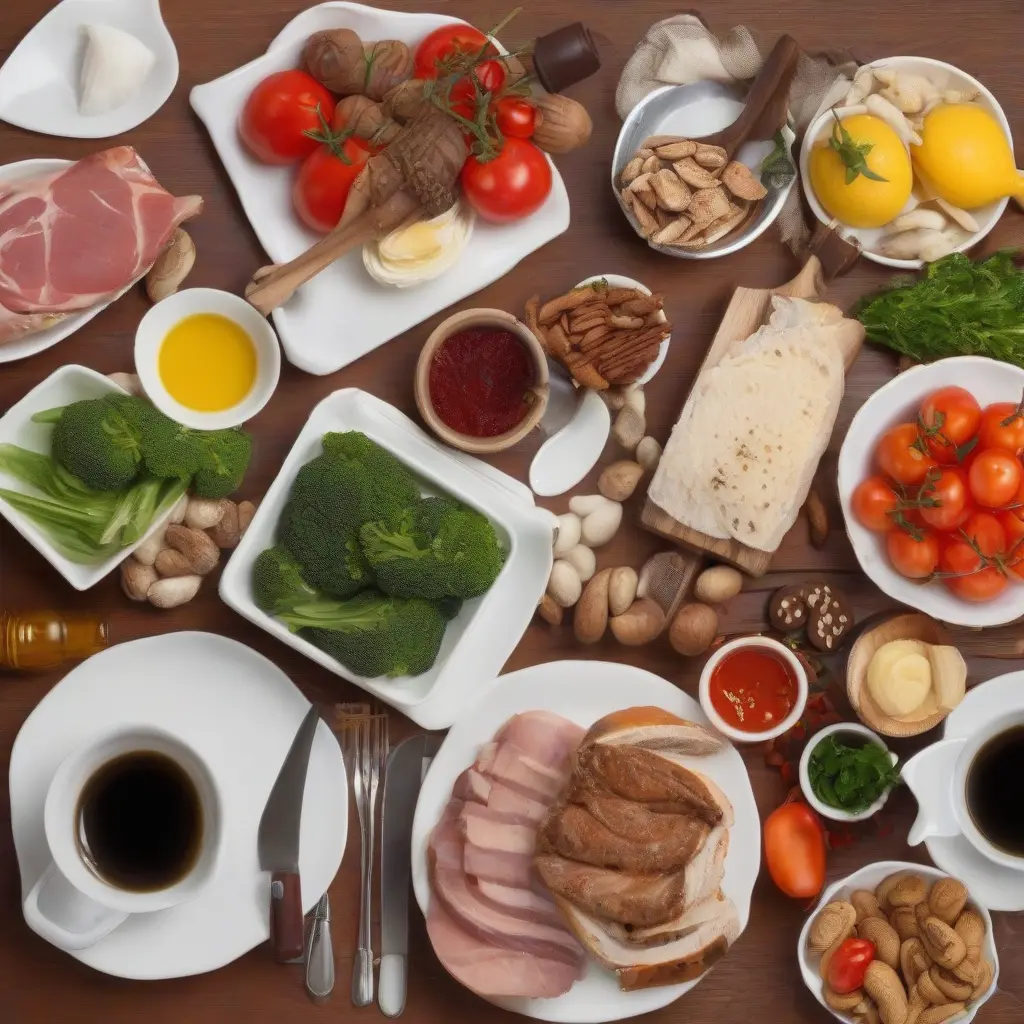
Traveling with dietary restrictions can be challenging but also rewarding. Understanding how to navigate various food options while ensuring your health is paramount during your trips. Whether it’s due to allergies, health concerns, or lifestyle choices, being proactive about your dietary needs is essential. In this guide, we will explore strategies to help you make informed food choices, communicate effectively with others, and stay safe while you travel. With proper planning and knowledge, you can enjoy a fulfilling travel experience without compromising your health.
Research Your Destination’s Cuisine
Before embarking on your journey, spend time researching the local cuisine of your destination. Understanding the dish components will help you identify potential allergens and offensive food items. Look for traditional recipes and common ingredients to familiarize yourself with the local offerings. This research will empower you to ask informed questions when dining out. Websites, travel forums, and social media platforms can provide valuable insights from fellow travelers who have dietary restrictions. The more you know about the local food landscape, the better prepared you will be.
Learn Key Phrases in the Local Language
If you’re traveling to a country where English is not widely spoken, learning key phrases related to your dietary restrictions can make a significant difference. Phrases like ‘I am allergic to…’ or ‘Does this contain…’ are essential for communicating your needs effectively. Local restaurants may not be familiar with specific dietary requirements in English, so a translation app or a printed card detailing your restrictions can be invaluable. This effort shows respect for the local culture while ensuring you have a safer dining experience.
Pack Snacks and Emergency Meals
Packing your own snacks and emergency meals can alleviate anxiety about food availability while traveling. Especially for long flights or remote locations where dining options may be limited, having safe snacks on hand is essential. Choose non-perishable items that meet your dietary needs, such as protein bars, nuts, or gluten-free crackers. Be sure to check airline regulations regarding food items when traveling. This preparedness not only ensures you have something safe to eat but also provides peace of mind as you navigate unfamiliar terrains.
Stay Informed About Food Safety Standards
Understanding food safety standards in the country you are visiting is crucial for maintaining your health while traveling. Different countries have varying regulations regarding food preparation and hygiene. Familiarize yourself with these standards, especially concerning handling allergens and food storage temperatures. In locations where food safety practices may be lax, it’s advisable to choose reputable restaurants or eateries that follow strict hygiene protocols. Utilizing resources and local guides can aid in finding safe dining establishments that prioritize food safety.
Use Allergy and Intolerance Apps
In today’s digital age, various apps help navigate dietary restrictions while on the go. These apps can provide localized information on food options that accommodate allergens or specific dietary restrictions. Some popular options may even allow you to scan food items for allergen information. Such tools can also help you locate restaurants that cater to your needs based on user reviews. Leveraging technology not only saves time but also enhances your overall travel experience, making it enjoyable despite dietary restrictions.
Communicate Your Needs Clearly
When dining out, clear communication is vital to avoiding potential health issues. Don’t hesitate to explain your dietary needs, emphasizing allergies or intolerances. Many restaurants are accustomed to accommodating guests with specific dietary requirements. Use a combination of verbal communication and written information, especially if language barriers exist. This assertiveness in expressing your needs can significantly reduce the risk of consuming unwanted ingredients and promote a safer dining experience, allowing you to enjoy local foods with confidence.
Consider Staying in Accommodations with Kitchen Facilities
Opting for accommodations that provide kitchen facilities can give you full control over your food preparation. This option is beneficial for travelers with specific dietary restrictions, as you can prepare meals tailored to your needs. Having the ability to cook allows you to shop for locally sourced, fresh ingredients while avoiding allergens or undesired foods. Additionally, it can be more cost-effective and provide an authentic experience of the local grocery scene. Cooking for yourself allows for healthier, safer meals and the flexibility to enjoy food at your own pace.
Be Cautious with Street Food
Street food can be an exciting way to immerse yourself in local cultures; however, exercise caution if you have dietary restrictions. While some street vendors offer delicious treats, others may not adhere to strict food safety standards. Assess the cleanliness and traffic of the stall before purchasing. Look for vendors with high turnover rates, which often indicates fresher food. Always inquire about ingredients and preparation methods before indulging. Prioritizing your health does not mean missing out on authentic experiences; it’s about finding the right balance.
Plan Ahead for Special Events
If you know you’ll be attending special events or gatherings during your trip, plan ahead to accommodate your dietary restrictions. Consider notifying hosts of your needs in advance to ensure that there are food options available for you. Alternatively, offer to bring a dish that aligns with your dietary requirements to share with others. Being proactive about your food needs during events can enhance your experience and help you feel included without compromising your dietary choices, whether it’s a wedding, party, or family gathering.
Stay Hydrated and Monitor Local Water Quality
Staying hydrated is crucial while you travel, but be mindful of the local water quality. In some destinations, tap water may not be safe to drink, which can lead to foodborne illnesses. Always opt for bottled water or purifying methods if you’re unsure of the water safety. Additionally, consider using a reusable water bottle equipped with a filter that can provide safe drinking water, reducing your need to buy plastic bottles. Proper hydration not only maintains your energy levels but also helps support your overall health during your travels.
Consult a Healthcare Professional Before You Travel
Consulting a healthcare professional before embarking on your journey can offer tailored advice for managing dietary restrictions effectively. They can provide recommendations based on your health history and travel destination. Discuss medications and emergency plans in case of accidental exposure to allergens. Knowing how to handle potential reactions can increase your confidence when navigating food options. This proactive approach allows you to enjoy your travels while minimizing risks associated with dietary restrictions.
Conclusion
Managing dietary restrictions while traveling requires careful planning and proactive measures, but it can be a rewarding experience. By researching local cuisines, learning key phrases, and being prepared, you can navigate food options confidently. Utilizing technology, communicating your needs, and opting for accommodations with kitchen facilities can significantly enhance your travel experience. Most importantly, staying informed and consulting with professionals can ensure your health and safety. With the right strategies, you can enjoy delicious local foods without compromising your well-being.