
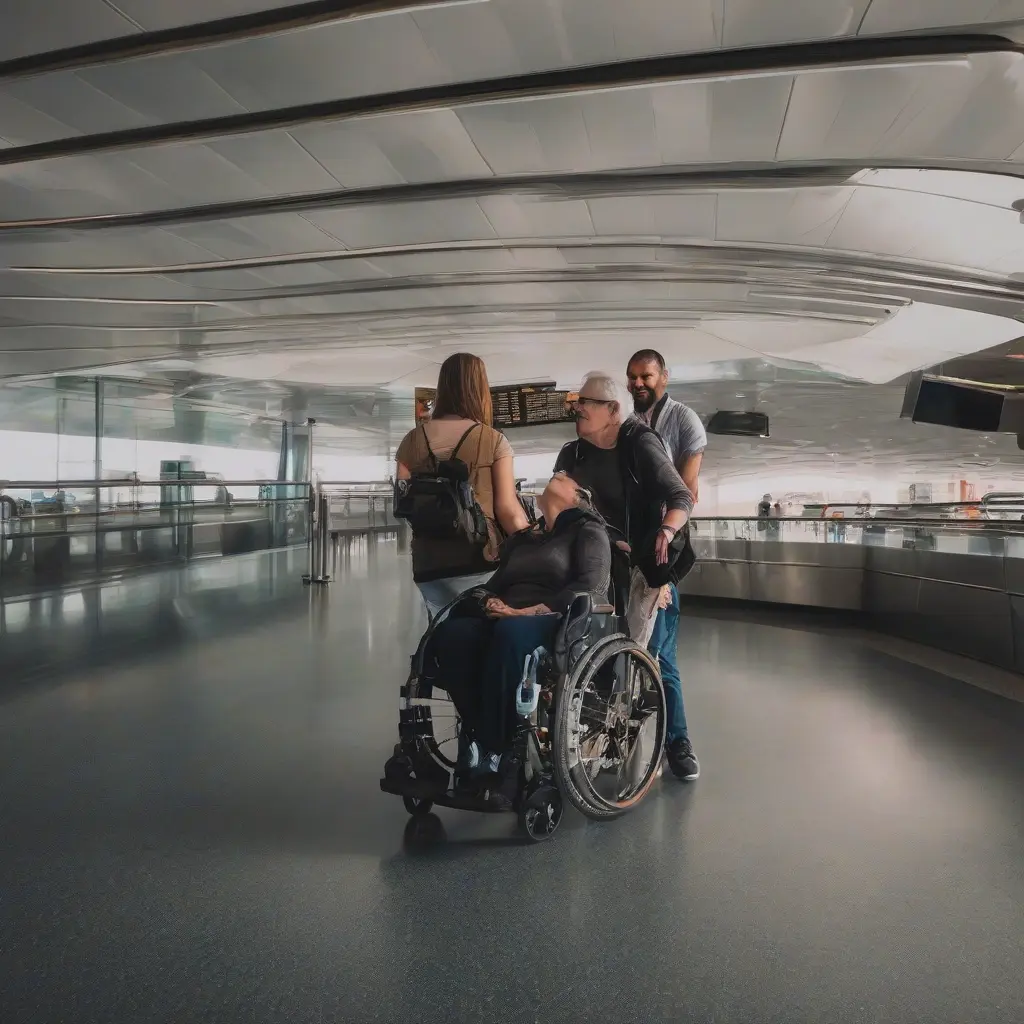
Traveling with a mobility impairment can present unique challenges, but with careful planning, it can lead to enriching experiences. Whether exploring new cities or immersing oneself in nature, creating an accessible itinerary is vital. From choosing the right destinations to planning accommodations and activities, this guide provides essential tips to ensure that your adventures are both enjoyable and accessible. With the right resources and information, anyone with mobility considerations can embark on memorable travel experiences.
Researching Accessible Destinations
Before embarking on any trip, research accessible destinations that cater to your specific mobility needs. Look for cities known for their accessibility standards, such as ramps, elevators, and accessible public transport. Websites focused on travel for individuals with disabilities often provide valuable insights and reviews. Additionally, some travel forums and blogs share first-hand accounts of travelers with mobility impairments, highlighting user-friendly attractions and accommodations. By thoroughly researching, you can avoid potential challenges and find enjoyable activities that are wheelchair-friendly.
Booking Accessible Accommodations
Selecting the right accommodations is crucial for an enjoyable trip, especially when it comes to accessibility. When booking hotels or vacation rentals, confirm that they offer accessible rooms and facilities. This includes features like grab bars, roll-in showers, and wide doorways. When possible, reach out to the accommodation directly to clarify accessibility options and policies. Many online booking platforms now provide filters for accessibility, helping streamline the search. By ensuring your lodging meets your needs, you can enhance comfort during your travels.
Planning Accessible Transportation
Transportation can be a significant aspect of accessible travel. Make sure to choose modes of transport that accommodate mobility needs. Look for airlines that provide services for passengers with disabilities, such as wheelchair assistance at airports. When using public transit, research routes and ask about accessibility features, including ramps and seating arrangements. Renting a wheelchair-accessible vehicle can provide added flexibility for your itinerary. Being proactive about transportation will help ensure smooth transitions from one location to another during your trip.
Packing Essential Mobility Aids
Packing the right mobility aids is essential for any trip. Make a checklist of items you typically use, such as wheelchairs, walkers, or mobility scooters. Additionally, include any necessary accessories like cushions, portable ramps, or maintenance tools for your equipment. If you’re flying, consult your airline about their policies for transporting mobility devices. It’s also wise to bring a backup plan, such as walking aids that are lightweight and easily portable. Having these essentials ensures you won’t face setbacks during your adventures.
Engaging with Local Accessibility Resources
Once you arrive at your destination, take time to engage with local accessibility resources. Many cities have organizations that assist travelers with mobility impairments, offering valuable information about accessible attractions and services. These resources can guide you toward local accessible tours, attractions, and events tailored for your needs. Additionally, don’t hesitate to ask locals for assistance, as many communities are eager to help travelers navigate their experiences. Utilizing these resources can enhance your visit and create memorable interactions.
Determining Accessible Attractions
Selecting attractions that are accessible is fundamental to ensure a fulfilling experience. Many popular tourist destinations have made significant strides in improving accessibility. Research museums, parks, and local landmarks to find those equipped with accessible entrances, pathways, and restrooms. Review sites often provide ratings and comments about the accessibility of attractions. As you plan your itinerary, consider the amenities offered to ensure you can fully enjoy the sights without unnecessary barriers. Prioritizing accessible attractions will create a smoother travel experience.
Utilizing Technology for Accessibility
In today’s digital age, technology can significantly enhance accessibility during travels. Various apps are designed specifically for individuals with disabilities, providing information on accessible routes, attractions, and facilities nearby. GPS tools can help you navigate while identifying accessible parking spaces or transport options. Additionally, social media groups or forums can serve as platforms for exchanging tips and recommendations with fellow travelers. Adopting these technological tools can simplify the planning process and improve the overall travel experience.
Communicating Your Needs
Effective communication of your accessibility needs is crucial during travel. Whether it’s at hotels, restaurants, or attractions, don’t hesitate to express any specific requirements. Many establishments are prepared to accommodate various needs, but informing them in advance can lead to better experiences. Use clear and concise language to convey what assistance or alterations you require. Additionally, it may be helpful to have a written note detailing your needs to avoid misunderstandings. Open communication fosters an accommodating environment, benefiting both you and those assisting you.
Exploring Accessible Outdoor Activities
Outdoor adventures can be equally rewarding for travelers with mobility impairments. Many national parks and recreational areas have implemented accessible trails, bathrooms, and facilities. Research accessible nature tours that cater to different mobility levels, providing options for exploring natural wonders. Activities like birdwatching, nature walks, or accessible boating can still connect you with the outdoors. Check local listings for events or guided tours focused on accessibility. Engaging in outdoor activities enhances relaxation and makes lasting memories.
Conclusion
Traveling with a mobility impairment doesn’t mean sacrificing adventure or enjoyment. With proper planning, research, and communication, you can create unforgettable experiences that cater to your needs. By leveraging resources, technology, and local expertise, your journey can be as fulfilling as any other. Embrace the thrill of discovering new places and cultures while prioritizing accessibility, ensuring that your travels are inclusive and enriching.