
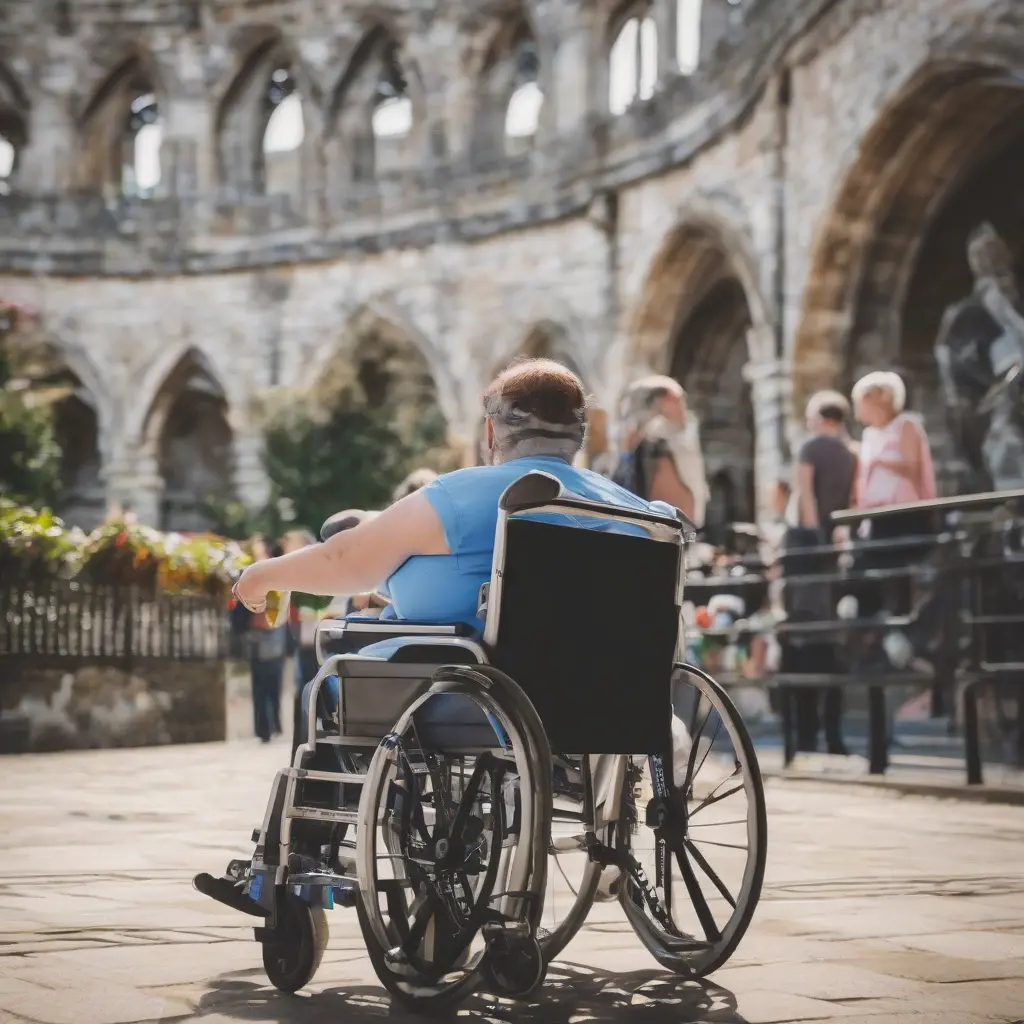
Travel should be an enriching experience for everyone, regardless of physical abilities. With an increasing focus on inclusivity, planning for accessibility needs has become crucial for both travelers and travel providers. Accessible travel means ensuring that destinations, accommodations, and activities are designed to cater to people with various disabilities. By understanding the unique requirements that different travelers may have, you can create an enjoyable and inclusive journey that accommodates everyone involved.
Understanding Accessibility Requirements
To plan effectively for accessibility needs, it’s essential to first understand the specific requirements of those you’re traveling with or catering to. Accessibility can encompass a range of factors, including physical mobility, sensory impairments, and cognitive challenges. Knowing whether someone requires a wheelchair, has visual impairments, or needs assistance navigating unfamiliar environments will guide your planning process. This understanding will help you select suitable transportation options, destinations, and accommodations tailored to individual needs.
Researching Accessible Destinations
Not all travel destinations are equipped to provide accessibility, so thorough research is vital. Look for places known for their inclusivity, such as cities that have implemented comprehensive accessibility programs or tourist attractions that offer facilities for people with disabilities. Online resources, such as travel blogs and forums, can provide personal insights, while websites specifically dedicated to accessibility can give you crucial information on what to expect. Make a list of accessible restaurants, attractions, and public transport options once you’ve gathered enough information.
Choosing Accessible Accommodations
When selecting accommodations, prioritize those with proven accessibility features. This often includes wheelchair ramps, elevators, accessible bathrooms, and even specialized rooms. It’s advisable to directly contact hotels to confirm their accessibility claims, as descriptions can vary greatly between properties. Look for accommodations that have received positive feedback from previous guests regarding their accessibility features. Many hotel booking sites now allow you to filter by accessibility options, simplifying the selection process for inclusive travel.
Transportation Options for Travelers with Disabilities
Transportation is a critical element of travel, and choosing accessible options can make all the difference. Many cities offer accessible public transportation systems, including buses and trains equipped with features like low floors or alerts for the visually impaired. Additionally, consider ride-sharing services that accommodate wheelchairs or other special requests. If you plan to rent a vehicle, look for companies that provide accessible options. Always plan routes in advance to avoid any unexpected obstacles along the way.
Planning Activities for All Abilities
When planning activities, focus on options that everyone can enjoy, regardless of their abilities. Look for accessible tours, museums, and nature walks designed specifically for inclusivity. Many destinations offer workshops, guided tours, or experiences tailored to people with disabilities, making it easier for everyone to participate. Consider the interests and abilities of all travelers to strike a balance between accessible activities and options that engage everyone involved. Prioritize experiences that celebrate diverse talents and encourage inclusivity.
Emergency Preparedness
While planning for accessibility needs, it’s important to prepare for potential emergencies. Ensure that you have a plan in case of medical issues, including knowledge of nearby hospitals or urgent care centers that are disability-friendly. Carry necessary medical supplies and medications, along with the contact information of healthcare providers at your destination. Ensure that all travelers know the emergency protocols and have an accessible means of communication. This preparation can ease anxiety and provide reassurance during your trip.
Engaging with Local Communities
Connecting with local communities can enrich your travel experience and provide valuable insights into accessibility options. Many cities have organizations dedicated to improving accessibility for residents and visitors alike. Reaching out to these groups can help you find resources, such as accessible events and community-led activities. Participating in local discussions around accessibility can lead to unexpected opportunities and help foster a sense of belonging during your travels.
Considering Technology for Accessibility
Advancements in technology have made travel more accessible for everyone. Various applications and devices can assist travelers with disabilities, from navigation apps tailored for wheelchair users to text-to-speech tools for the visually impaired. Before you travel, download relevant applications that can help assess venues’ accessibility features or provide real-time translations. Investing time in handy tech solutions can significantly enhance your travel experience and provide peace of mind.
Planning for Food Accessibility
Planning for dietary needs is as crucial as physical accessibility. Research restaurants that cater to specific dietary restrictions, whether due to allergies, intolerances, or lifestyle choices. Many establishments offer menus detailing various dietary options, including vegan, gluten-free, and allergen-free choices. Ensure that selected restaurants are accessible, considering layout and facilities. Making dining reservations in advance can help ensure that your group is accommodated comfortably during your trip.
Conclusion
Ensuring an inclusive travel experience requires thoughtful planning and consideration of several factors related to accessibility. By understanding unique needs, researching accessible destinations, and engaging with local resources, you can create a memorable trip that caters to diverse abilities. Emphasizing inclusivity not only enhances the travel experience but also builds awareness and acceptance, enriching our understanding of different perspectives.