
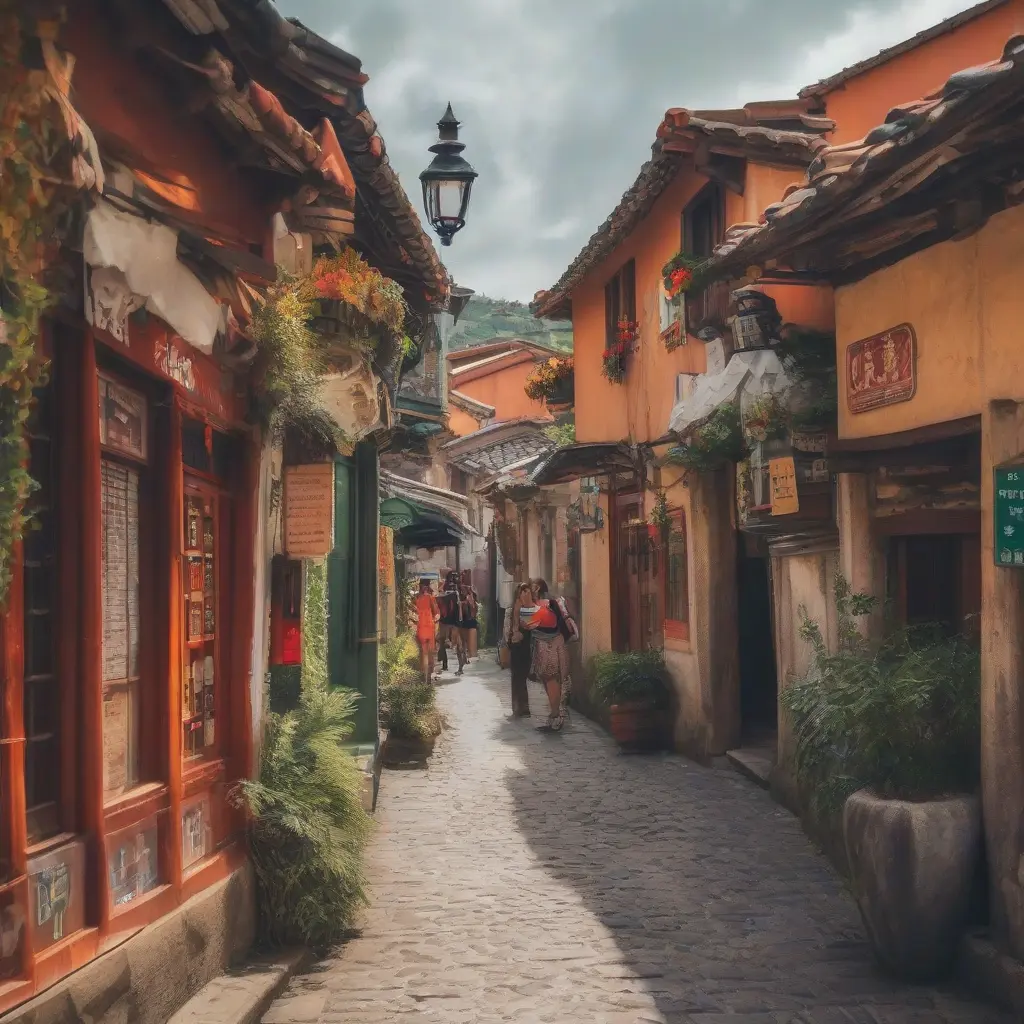
Traveling to foreign countries can be an enriching experience, but language barriers often pose challenges. Whether you’re ordering food, asking for directions, or engaging with locals, limited language skills can lead to misunderstandings and frustration. However, by employing a few helpful strategies, you can navigate these obstacles effectively. Utilizing technology, learning basic phrases, and being patient can facilitate smoother communication and enhance your travel experiences. This guide will provide practical tips to help you overcome language barriers and make your journey more enjoyable.
Learn Basic Phrases
Before embarking on your trip, learning a few essential phrases in the local language can significantly enhance your interactions. Focus on greetings, polite expressions, and common questions like ‘Where is…?’ and ‘How much does this cost?’. Even if your pronunciation isn’t perfect, locals often appreciate the effort. This approach not only helps in daily transactions but also fosters goodwill and rapport with the people you meet. Additionally, having these phrases on hand can ease anxiety and make navigating new environments less daunting.
Use Translation Apps
In today’s digital age, translation apps can be invaluable in bridging language gaps while traveling. Applications like Google Translate offer real-time translations, allowing you to communicate effectively with locals. Many of these apps even have features that support speech and text translation, making it easier to understand and be understood. When using these tools, ensure you download the necessary language packs beforehand, especially if you’ll be in areas with limited internet access. These apps can turn a daunting situation into a manageable one.
Engage with Non-Verbal Communication
When language skills are lacking, non-verbal communication becomes a powerful tool. Gestures, facial expressions, and body language can convey a wealth of information without the need for words. Pointing to items on a menu, using hand signals for directions, or mimicking actions can facilitate understanding. This method can also lead to light-hearted interactions and moments of connection with locals. Remember, maintaining a friendly demeanor and being open can help both parties feel more comfortable despite the language limitations.
Carry a Phrasebook
Although digital solutions are convenient, having a physical phrasebook can be a great backup plan while traveling. A phrasebook is lightweight and doesn’t require battery life, making it a practical resource in areas with limited connectivity. It often contains essential phrases along with cultural tips and etiquette. Using a phrasebook also allows you to study and learn phrases gradually, which can deepen your understanding of the language. This approach not only aids navigation but also enriches your cultural experience.
Be Patient and Open-Minded
Patience is crucial when overcoming language barriers. Misunderstandings are common, and it’s important to remain calm and open-minded. If a conversation doesn’t go as planned, take a step back, rephrase your question, or simplify your request. This not only reduces frustration but also shows respect for the local culture. Embrace the humor and challenges that come with communication mishaps; they often lead to memorable experiences and stories that make for great conversation later. A good attitude can significantly enhance your journey.
Utilize Local Resources
Many communities offer resources to help travelers overcome language barriers. Tourist information centers often provide brochures in multiple languages and staff members can assist you with translations. Additionally, local language schools may offer short language courses or tips for travelers. Engaging with these resources not only aids communication but also allows you to immerse yourself in the culture more deeply. Building relationships with locals through these services enhances your overall travel experience.
Join Social Media Groups
Before you travel, joining social media groups focused on your destination can provide valuable insights into overcoming language barriers. Many travelers share their experiences, tips, and resources that can help. You can also ask specific questions and receive immediate feedback from members who have local knowledge or language skills. Additionally, these platforms can help you connect with locals who are willing to guide you or offer assistance during your trip.
Practice Active Listening
Active listening is essential when interacting with someone who speaks a different language. Show genuine interest by maintaining eye contact and nodding to indicate understanding. Ask clarifying questions if needed, and don’t hesitate to repeat or paraphrase what you’ve understood. This approach not only improves communication but also demonstrates respect for the speaker. By engaging earnestly in conversations, you encourage a more positive exchange, even amidst language obstacles.
Take Language Classes Before Travel
Consider taking language classes to prepare yourself before traveling. Even a few lessons can provide you with a foundation that enhances both your confidence and communication ability. Language classes often equip you with cultural insights that can enrich your travel experience. Look for local community centers or online courses that focus specifically on conversational skills and basic vocabulary. This proactive approach will help you navigate conversations and make your interactions feel more meaningful during your travels.
Embrace the Learning Experience
Traveling presents an excellent opportunity to learn new languages and cultures. Instead of viewing language barriers as obstacles, embrace them as challenges that can lead to personal growth and enriching experiences. Engage with locals, practice what you’ve learned, and accept mistakes as part of the process. Each encounter provides a chance to learn and improves your language skills progressively. Surrounding yourself with the language immerses you further into the culture, making your travel experience even more rewarding.
Conclusion
Navigating language barriers while traveling can seem daunting, but with the right strategies, you can turn potential difficulties into rewarding encounters. From learning basic phrases to utilizing technology and embracing non-verbal communication, each approach enriches your travel experience. By being patient and open-minded, you enhance communication with locals, creating lasting memories. Ultimately, the challenges presented by language barriers can transform your journey into a richer, more immersive adventure.