
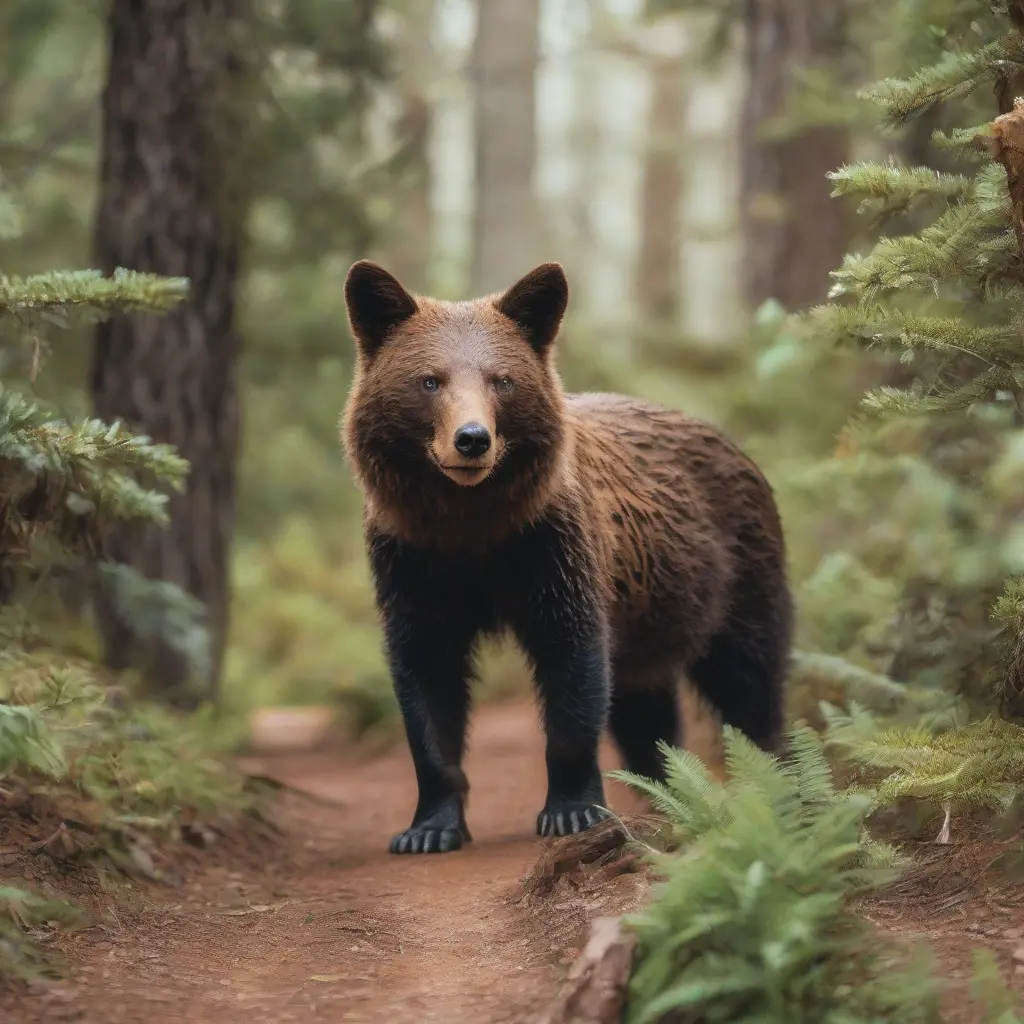
Exploring national parks offers a unique opportunity to connect with nature and observe wildlife in their natural habitats. However, this experience comes with responsibilities, particularly when it comes to respecting both the environment and its inhabitants. In this article, we will share valuable tips to ensure that your visit is not only enjoyable but also sustainable. By following these guidelines, you can help preserve the beauty of national parks while fostering a harmonious relationship with the wildlife that makes these areas so special.
Understand Wildlife Etiquette
Wildlife etiquette is essential for ensuring both your safety and the well-being of animals in national parks. It is important to observe animals from a safe distance, as approaching them can lead to stress for the creatures and potential dangers for yourself. Familiarize yourself with park regulations regarding wildlife interaction, such as specific distances to maintain from certain species. Additionally, never feed wildlife, as this behavior can disrupt their natural foraging habits and lead to unhealthy dependencies on human food.
Stay on Designated Trails
One of the best ways to protect nature trails is to stay on designated paths while hiking or walking. These trails are established to minimize environmental impact and protect native flora and fauna. Venturing off-trail can result in soil erosion and damage to delicate ecosystems. By sticking to marked paths, you can enjoy your adventure while contributing to the preservation of the park’s natural beauty. Also, always pay attention to trail markers to ensure that you don’t get lost or stray into restricted areas.
Pack Out What You Pack In
Following the principle of ‘leave no trace’ is vital when visiting national parks. Make sure to pack out any trash, leftover food, or other waste you generate during your visit. Dispose of waste properly by using designated bins when available; if not, take your trash with you. This practice helps maintain the park’s pristine environment and prevents wildlife from ingesting harmful substances that can arise from littering. Remember, your actions directly impact the natural beauty and health of these cherished landscapes.
Respect Natural Soundscapes
Natural soundscapes are integral to the ambiance of national parks, allowing visitors to experience a sense of tranquility. To maintain this peaceful environment, keep noise levels low to avoid disturbing both wildlife and fellow visitors. Loud conversations, music, and the use of electronic devices can disrupt the wildlife’s natural behavior and undermine the experience for other hikers. Being mindful of sound contributes to the overall experience of enjoying nature and enhances your connection with the park.
Educate Yourself Before You Go
Before visiting a national park, take the time to educate yourself about its specific wildlife and ecosystems. Understanding the local habitats, important seasonal changes, and the animals that inhabit the area can enrich your experience and help you adopt responsible behaviors. Many parks offer informational resources, such as brochures, or visitor center staff who can provide valuable insights. Being well-informed can guide your actions in the park, leading to more meaningful interactions with nature.
Participate in Park Programs
Many national parks host educational programs, guided tours, and volunteer opportunities that enhance your understanding of the environment while promoting conservation efforts. Participating in these programs can give you unique insights into the park’s ecology and the importance of protecting it. Engaging with park rangers and naturalists can expose you to lesser-known aspects of the park, fostering a deeper appreciation for the landscape and the wildlife residing there. Solutions to protect these areas often come from community engagement.
Be Mindful of Seasonal Changes
Seasonal changes can greatly affect wildlife behavior and visitor experiences in national parks. During certain times of the year, animals may be more active, while others might be in hibernation or breeding seasons. Understanding these changes can help you plan your visit accordingly, allowing for optimal wildlife viewing while respecting their natural cycles. Additionally, some trails may be closed seasonally for maintenance or wildlife protection, so it’s essential to check these details before your trip.
Use Eco-Friendly Products
Choosing eco-friendly products when preparing for your trip can make a significant impact on the environment. Opt for biodegradable toiletries, reusable containers, and sustainable gear that minimizes your carbon footprint. This not only aids in keeping the parks clean but also promotes a responsible image for other visitors. By setting an example in your choices, you can encourage others to consider the environmental footprint of their products and make more sustainable options when enjoying nature.
Stay Hydrated and Prepared
Staying hydrated and being prepared for your national park adventure is crucial for both safety and enjoyment. Bring enough water and snacks to sustain you throughout your hike, as depleting your energy can lead to hasty decisions that may endanger both yourself and the local wildlife. Additionally, wear suitable clothing and durable footwear to adapt to varying weather conditions while hiking. Proper preparation boosts your experience and allows constant awareness of your surroundings, fostering a connection with the natural world.
Conclusion
Exploring national parks is an enriching experience that allows us to connect with nature while observing the incredible wildlife that inhabit these areas. By following simple guidelines focusing on respect and responsibility, we can ensure that these natural wonders remain preserved for future visitors. Adopting mindful practices fosters not only a more enjoyable experience for all but also protects the delicate ecosystems and wildlife that shape our planet’s beauty.