
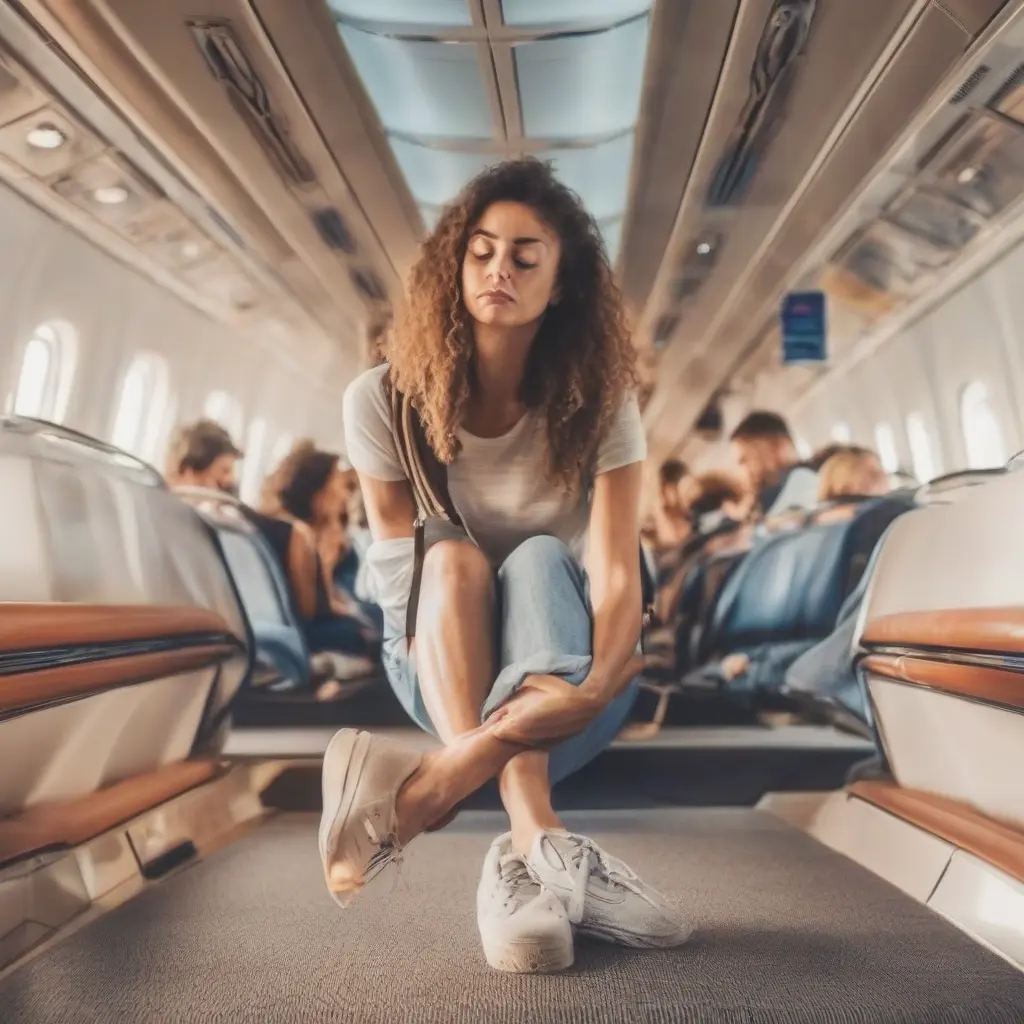
Travel anxiety is a common concern that affects many individuals before and during their trips. Whether stemming from fear of flying, navigating unfamiliar places, or managing tight schedules, these feelings can hinder the overall enjoyment of travel. Fortunately, there are various effective techniques to help mitigate this anxiety. In this article, we will explore practical strategies to ease travel anxiety and create a more relaxing journey, enabling you to focus on the positive aspects and adventures that await.
Understanding Travel Anxiety
Travel anxiety can manifest in different ways, often resulting from a mix of worry about safety, logistics, and unfamiliar environments. Many people experience symptoms such as restlessness, rapid heartbeat, or even panic attacks when faced with the prospect of traveling. By acknowledging these feelings and understanding their origins, individuals can better prepare themselves psychologically. This understanding is crucial, as it empowers travelers to take proactive steps, thereby reducing the intensity of their anxiety before and during their trips.
Preparation is Key
One of the most effective ways to combat travel anxiety is through thorough preparation. Creating a checklist of necessary items, planning your itinerary in detail, and researching your destination can all alleviate uncertainty. When you are well-prepared for your journey, feelings of helplessness and anxiety are significantly diminished. Knowing what to expect, from accommodation to local customs, enhances your comfort level. Feeling in control of your surroundings can transform those worries into excitement for the adventures ahead.
Mindfulness and Relaxation Techniques
Incorporating mindfulness and relaxation techniques into your travel routine can help manage anxiety effectively. Practices such as deep breathing, meditation, and yoga are excellent ways to cultivate a sense of calm. When stress levels rise, taking a moment to focus on your breath or engage in light stretching can reduce tension and create a more peaceful mindset. These techniques can be practiced before or during travel, helping to center your thoughts and refocus your energy, allowing for a more enjoyable experience.
Establishing a Travel Routine
Creating a consistent travel routine can significantly alleviate anxiety. This might include setting specific times for meals, sleep, and activities during your trip. Predictability can offer comfort, allowing your body and mind to acclimate more easily to the travel environment. A well-structured routine promotes a sense of normalcy, which can mitigate feelings of chaos commonly associated with travel. Keeping to your routine helps maintain your energy levels and mood, ultimately leading to a more satisfying travel experience.
Utilizing Technology for Support
Modern technology can be a valuable ally in managing travel anxiety. Helpful apps offer features such as itinerary planning, reminders, and local information, significantly easing the travel process. Additionally, music and mindfulness apps provide relaxation techniques to help soothe your nerves. Having these resources at your fingertips can divert your focus from anxiety-provoking thoughts and create a more secure environment. Technology serves as both a practical tool and a source of comfort, making travel less stressful and more enjoyable.
Travel with a Companion
Traveling with a companion can significantly ease anxiety levels. Having a trusted friend or family member by your side provides emotional support throughout the journey. Companions can help divert attention away from anxieties, share responsibilities, and bolster confidence when navigating new environments. The feeling of not being alone in an unfamiliar place can enhance comfort levels, making the journey more manageable. Whether it’s sharing your fears or simply enjoying each other’s company, companionship can remarkably improve the travel experience.
Gradual Exposure to Travel
For individuals with severe travel anxiety, gradual exposure can be an effective strategy. Start with short trips and gradually increase the duration and complexity of your travels. Over time, this approach helps desensitize anxiety responses associated with travel. Each successful trip builds confidence, allowing you to tackle more significant journeys with greater ease. Gradual exposure allows your mind and body to adjust to various travel scenarios, ultimately transforming your relationship with travel from one of fear to excitement.
Seeking Professional Help
If travel anxiety significantly impacts your quality of life or hinders your travel plans, it may be worth seeking professional help. Therapists specializing in anxiety disorders can provide coping strategies and techniques tailored to your needs. Cognitive Behavioral Therapy (CBT) is often effective in addressing anxiety by reshaping negative thought patterns. Professional guidance can give you the tools needed to face travel-related fears, helping you transition from avoidance to exploration and ensuring your trips are enjoyable.
Conclusion
Coping with travel anxiety requires a multifaceted approach that combines preparation, mindfulness, support, and gradual exposure. By employing these techniques, individuals can transform their travel experiences into enjoyable adventures. Understanding the origins of anxiety and taking proactive steps empowers travelers to manage their feelings more effectively. Embracing a journey with a positive mindset, armed with strategies to counteract anxiety, ensures that travel remains an enriching experience rather than a source of stress.