
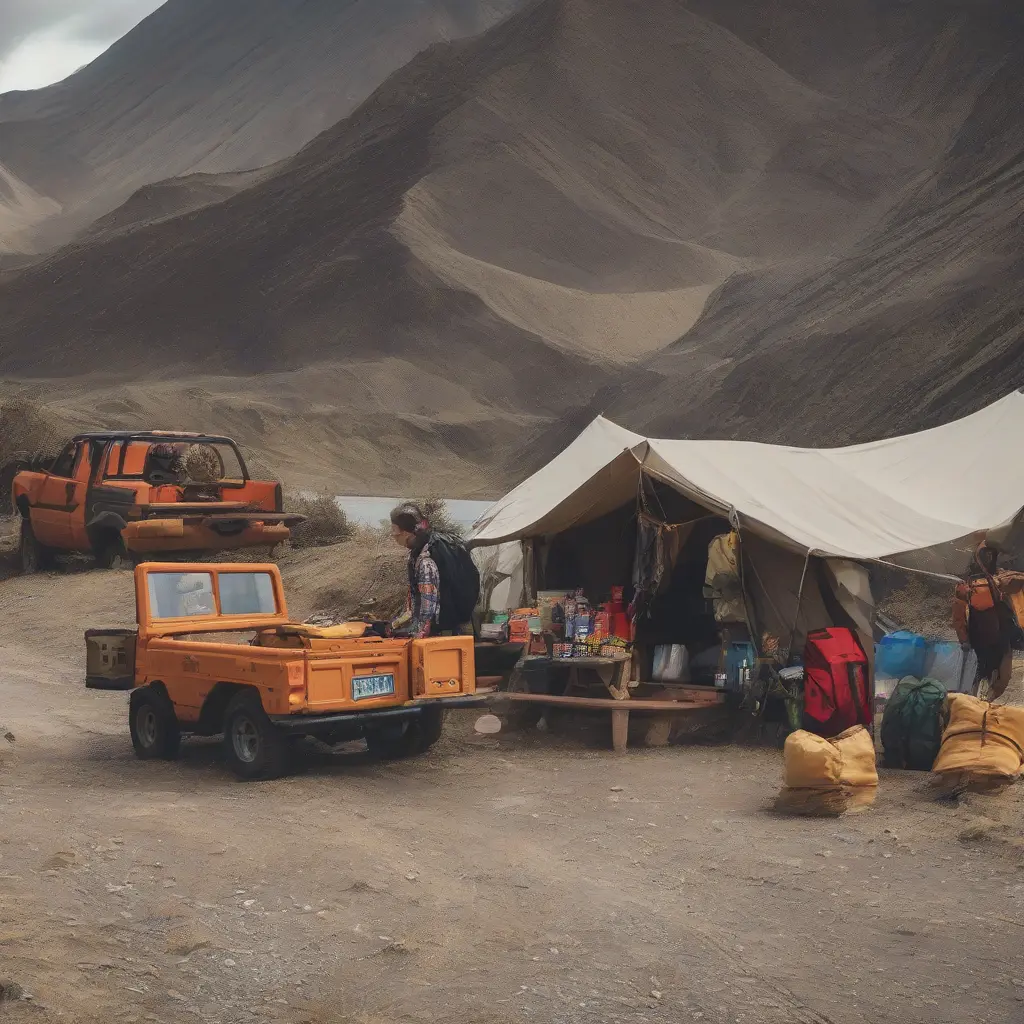
Traveling to remote destinations can offer unique experiences and breathtaking landscapes, but it also presents challenges, particularly in obtaining necessary supplies and resources. Planning ahead is crucial to ensure a successful journey. This article explores essential tips and strategies for travelers venturing off the beaten path, covering everything from packing essentials to local resource management. With careful preparation, you can navigate the complexities of remote travel while enjoying a worry-free adventure.
Research Your Destination Thoroughly
Prior to embarking on your journey, thorough research of your remote destination is vital. Understanding the geographical layout, climate, and local culture can aid in identifying available resources. Check for nearby towns, local shops, and markets, as they can significantly assist in replenishing supplies. Resources like travel blogs, forums, and official tourism websites provide valuable insight. Furthermore, familiarize yourself with local customs and availability of goods; this will enhance your overall experience while ensuring that you’re well-prepared.
Create a Detailed Packing List
A well-organized packing list is essential for a successful trip to remote areas. Start by listing the necessary supplies, including food, water, first aid kits, clothing, and camping gear. Tailor your list based on the duration of your trip and the activities planned. Don’t forget to include chargers for electronic devices, as power sources might be scarce. A thorough packing list helps prevent last-minute stress and ensures you have all essential items, allowing for a smooth experience in your secluded setting.
Emphasize Water and Food Supplies
One of the primary concerns when traveling to remote locations is access to clean water and food. Depending on your destination, it may be wise to bring purification tablets or a filtration system to ensure safe drinking water. Pack non-perishable foods like energy bars, dried fruits, or instant meals that are easy to prepare. Research local food sources, such as markets or farms, to supplement your supplies. Prioritize nutrition and hydration, as they are crucial for maintaining energy levels during your travels.
Understand Local Transportation Options
Knowing the local transportation options can significantly affect your ability to access resources in remote areas. Before you travel, familiarize yourself with bus schedules, routes, or local taxi services in smaller towns. Sometimes, bicycles or rental scooters might offer more flexibility. If you plan to hike, assess the trails and ensure they’re well-marked. Understanding your transport options allows you to efficiently reach necessary shops or resources while also enhancing your overall travel experience.
Connect with Local Communities
Engaging with local communities can provide invaluable insights into obtaining supplies and resources. Interacting with residents can lead to recommendations on where to buy essential goods, as well as cultural experiences that enrich your journey. Attend local events, visit community centers, or explore social media groups related to your destination. Building these connections not only aids in resource acquisition but also fosters meaningful interactions, creating lasting memories during your travels.
Plan for Emergencies
Traveling to remote destinations comes with its share of risks, making it vital to plan for emergencies. Assemble a comprehensive first aid kit and educate yourself on basic first aid techniques. Share your travel itinerary with someone back home and keep emergency contacts handy. Ensure that you have sufficient supplies to last longer than expected in case of unforeseen delays. Being well-prepared for emergencies can greatly reduce anxiety and enhance your ability to handle unexpected situations effectively.
Use Technology Responsibly
Leverage technology wisely while traveling to remote destinations. Download offline maps and travel applications that can assist you in navigating and locating resources. Keep a portable charger or solar charger handy, as access to electricity can be limited. Utilize communication apps to stay connected with family or friends. However, practice digital mindfulness by balancing screen time with experiencing the natural beauty and culture around you. Use technology as a tool to enhance your journey without letting it overshadow the adventure itself.
Stay Updated on Weather Conditions
Monitoring weather conditions prior to and during your trip to remote locales is essential for safety and preparedness. Sudden weather changes can impact travel plans, access to resources, and even personal safety. Utilize reliable weather apps or websites to keep track of live updates and forecasts. Dress appropriately for expected conditions and pack versatile clothing to adapt to variable weather. Being informed ensures that you can enjoy your travel experience without undue risk or discomfort.
Collect Feedback After Your Trip
After your journey, take time to reflect on your experiences and gather feedback about your resource procurement strategies. Document what worked well and what didn’t, considering local suppliers’ quality and convenience. Share your insights through travel forums or blogs to help future travelers to similar destinations. This not only aids others in their planning but also allows you to contribute positively to the travel community. Moreover, revisiting your experiences can enhance your preparation for future travels.
Conclusion
Traveling to remote destinations can be an enriching experience if approached strategically. By researching thoroughly, planning meticulously, and staying connected with local communities, travelers can ensure they secure the necessary supplies and resources. Preparedness mitigates risks and enhances the overall adventure, allowing for a rewarding journey filled with unforgettable moments.