
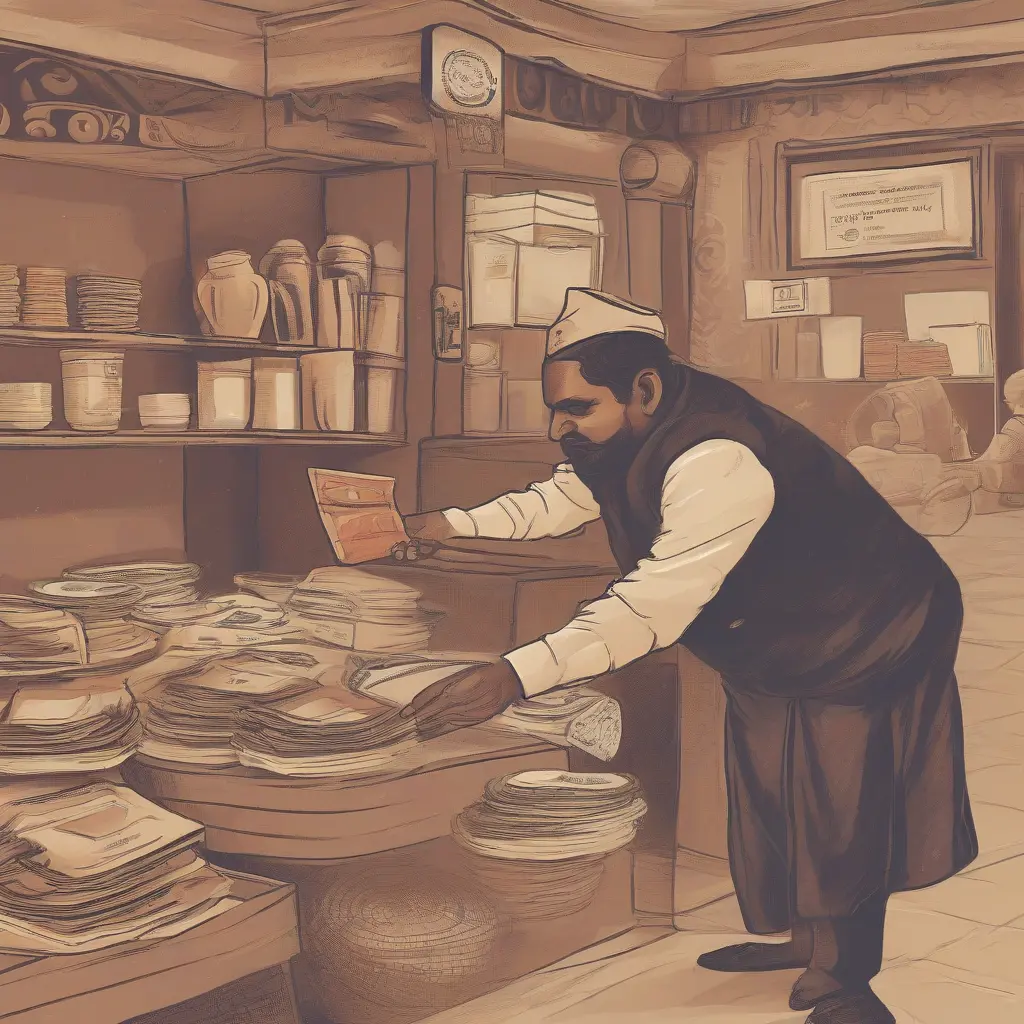
Tipping in India can be an essential part of the travel experience, often reflecting gratitude and appreciation for services rendered. Understanding local customs and norms surrounding tipping can enhance your interactions with service providers, ensuring you navigate this cultural practice respectfully. This guide aims to provide travelers with a comprehensive understanding of tipping etiquette in India, shedding light on when, how much, and to whom to tip. By familiarizing yourself with these guidelines, you can contribute positively to your travel experience and those who assist you along the way.
Understanding the Tipping Culture in India
In India, tipping is generally seen as a gesture of appreciation rather than an obligation, differing across regions and services. While not universally practiced, leaving a tip signifies goodwill and can enhance service quality. Many locals appreciate small tips but may not consistently tip due to the varying economic factors present in the country. Understanding this cultural nuance helps travelers to navigate tipping respectfully, as well as to discern when tipping is viewed as appropriate or unnecessary, particularly in a society with diverse social dynamics.
How Much to Tip in Restaurants
When dining in restaurants, the customary tip ranges from 5% to 10% of the bill, depending on the service quality. In fine dining establishments, 10% is generally more acceptable, while in casual eateries, rounding up the bill can suffice. It is also noteworthy that some restaurants may include a service charge, so reviewing your bill beforehand can help you avoid tipping too much. Leaving a tip in cash, even if the bill is paid by card, is a thoughtful gesture, as it ensures that the staff directly benefits from your generosity.
Tipping at Hotels and Lodgings
At hotels, tipping standards can differ based on the level of service provided. Housekeeping staff typically receive around ₹50 to ₹100 per day, and bellhops are generally tipped about ₹20 to ₹50 per bag, depending on the hotel’s standard. Concierge services might warrant a tip anywhere from ₹100 to ₹500, particularly if they have assisted you with more complex arrangements. To ensure your tips are well-received, it’s advisable to hand them directly to the individuals providing the service; this personal touch can go a long way in expressing your gratitude.
Tipping in Taxis and Ride-Sharing Services
For taxis and ride-sharing services in India, tipping isn’t obligatory but is often appreciated. Rounding up the fare to the nearest convenient amount is common practice, and some travelers choose to add an additional ₹20 to ₹50 if the driver provided excellent service. It’s crucial to ensure that you’re aware of the fare before tipping, as some drivers may attempt to overcharge tourists. Using ride-sharing apps that provide fare estimates can help mitigate any confusion regarding appropriate tipping in these scenarios.
Guidelines for Tipping Tour Guides
When engaging tour guides, a tip ranging from ₹200 to ₹500 is generally considered appropriate, depending on the length and quality of the tour. For half-day tours, ₹200 may be sufficient, while full-day excursions could warrant a tip of ₹500 or more. Personalized tours or experiences that exceed expectations may merit additional appreciation. Providing tips at the end of the tour, especially if you received beneficial insights and experiences, can be a great way to express your satisfaction and gratitude.
Tipping in Spa and Wellness Services
In spa and wellness settings, it is customary to tip around 10% to 15% of the total service cost. If you feel your therapist provided exceptional service, consider increasing the percentage. It’s best to check whether a service charge has already been added to your bill, and if so, tipping may not be wholly necessary. However, leaving a cash tip separate from your bill is generally well-received, as it directly benefits the service provider and can recognize their skilled work during your treatment.
Cultural Sensitivity in Tipping
Cultural sensitivity is paramount when navigating tipping practices in India. Some traditions may lead certain individuals to decline tips as a matter of pride or custom, particularly among those in higher social standing. By being observant and respectful of the local context, travelers can gauge when to tip and when to refrain. Engaging respectfully and paying attention to non-verbal cues can help ensure that your tipping practices align harmoniously with local customs and are perceived positively by those you encounter.
Final Thoughts on Tipping Etiquette in India
Navigating tipping etiquette in India enhances your travel experience and fosters goodwill with service providers. Understanding the nuances of tipping across different services allows travelers to show genuine appreciation while respecting local customs. By tipping appropriately, not only do you make a positive impact on those who assist you, but you also engage more meaningfully with the rich cultural fabric of India. As with any travel practice, observing and adapting to local norms can greatly enrich your journey.