
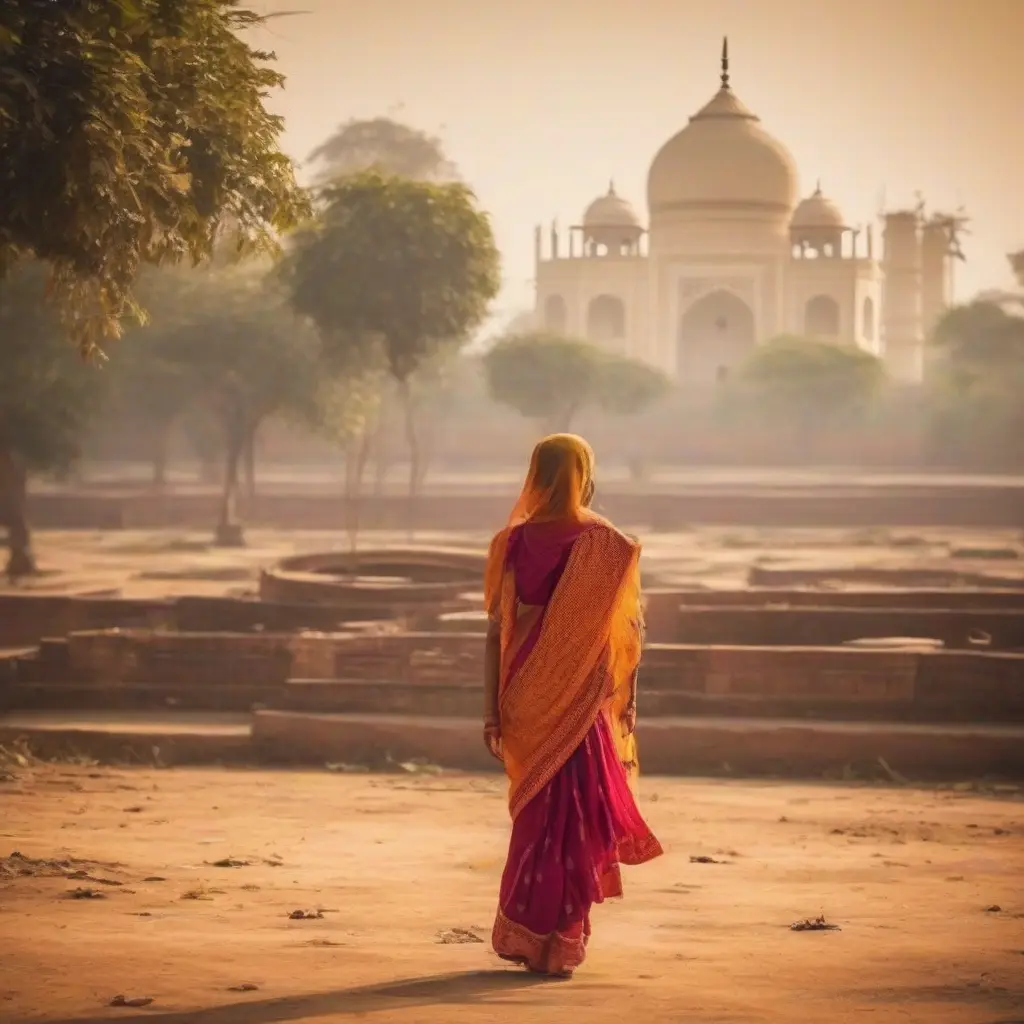
India is a vast and diverse country offering unique experiences across its varied landscapes and cultural heritage. Choosing the best time to visit depends on several factors, including the regions you plan to explore and the types of activities you’re interested in. Each season brings a distinct climate and cultural celebrations, making timing crucial for the best travel experience. This guide provides essential insights into India’s climatic conditions, festivals, and activities throughout the year, helping travelers make informed choices for their journey.
Understanding India’s Seasons
India experiences four primary seasons: winter, summer, monsoon, and post-monsoon. Winter lasts from December to February, offering pleasant temperatures, especially in northern regions, making it ideal for sightseeing. Summer, from March to June, can be extremely hot, particularly in the plains and deserts, though it’s a good time to visit the hills. The monsoon season, from June to September, brings heavy rains that rejuvenate the landscape, perfect for those loving nature. Post-monsoon, from October to November, features milder weather and festivals, ideal for cultural exploration.
Best Time for Cultural Festivals
Attending cultural festivals can greatly enhance your travel experience in India. Major festivals like Diwali, Holi, and Durga Puja showcase vibrant local traditions. Diwali, the Festival of Lights, usually falls in October or November, while Holi, the Festival of Colors, occurs in March. Each state celebrates its festivals uniquely, so planning your visit around these events allows you to witness local customs and festivities, connecting you deeply with Indian culture.
Optimal Travel Periods for Different Regions
Different regions in India have their own optimal travel periods. The northern regions, including Delhi, Agra, and Jaipur, are best visited from October to March when the weather is cooler. Coastal regions such as Goa and Kerala are most pleasant from November through February. The northeastern states are also best explored from October to April, while southern India remains a year-round destination, although monsoon season may influence beach activities. Understanding these regional differences can vastly improve your travel planning.
Exploring the Himalayan Region
For adventure enthusiasts and nature lovers, the Himalayan region holds exceptional opportunities. The best time to visit is from May to October, when trekking paths are accessible and the weather is pleasant. Winter can bring heavy snowfall, making travel more challenging but scenic. The months of June to September are perfect for monsoon trekking, with lush landscapes, while the autumn months provide breathtaking views after the rains. Each trek offers a unique experience, catering to different preferences.
Visiting During the Monsoon Season
Visiting India during the monsoon season requires a particular mindset, as it lasts from June to September. While heavy rainfall may seem daunting, this season brings lush greenery and vibrant landscapes, especially in regions like Kerala and the Western Ghats. Travelers who enjoy less crowded tourist spots and lower prices may find this period rewarding. However, travelers should prepare for potential floods and disruptions, primarily if visiting the eastern or northeastern parts of the country.
Traveling in the Summer Heat
Summer in India can be intensely hot, particularly in the plains and desert regions from March to June. However, it can be advantageous if you plan to visit hill stations like Shimla, Manali, or Darjeeling, where temperatures are cooler. This season also coincides with several cultural festivals in southern India, providing unique experiences despite the heat. Adequate preparation with hydration and sun protection ensures a pleasurable summer travel experience.
Considering Regional Weather Variations
India’s climate varies significantly across its regions, impacting travel decisions. The Thar Desert in Rajasthan, for instance, is scorching in summer and chilly in winter, whereas the coastal areas are humid year-round. North India experiences snow in winter, offering winter sports opportunities, while southern regions have milder temperatures. Understanding these local weather variations helps travelers pack appropriately and plan activities suited to the climate, leading to a more enjoyable experience.
Planning for Wildlife Safaris
Wildlife enthusiasts should consider specific months that provide the best chances for spotting animals in national parks. The best period for wildlife safaris in India generally falls between October and March, as animals are more active during this time due to milder temperatures. Parks like Ranthambore and Bandhavgarh also have peak visitation times during this season, enabling visitors to witness diverse wildlife in their natural habitats, making it particularly rewarding.
Cultural Insights for Better Planning
Understanding cultural practices and local gatherings can significantly enhance your travel experience. Each region has unique customs and rituals, especially during festival times. Engaging with local traditions allows for deeper connections with communities. Learning basic greetings and etiquette not only enriches your experience but also shows respect for local customs. Some regions may have specific periods when activities are limited, making it worthwhile to research before planning.
Utilizing Local Resources and Guides
Leveraging local resources, including travel guides and online platforms, can significantly help in planning your trip timing. Many travel blogs offer first-hand experiences about seasonal travel tips, while social media can provide real-time updates on weather conditions and cultural events. Connecting with local travel agencies can also yield valuable insights to ensure your visit aligns perfectly with your interests and regional festivities, providing a seamless experience.
Conclusion
Choosing the best time to visit India involves thorough research of the country’s diverse climates, cultural events, and regional differences. Understanding the seasons and how they affect your travel helps create a memorable experience tailored to your interests. Whether attending vibrant festivals, exploring wildlife, or simply enjoying the scenic landscapes, proper timing can significantly enhance your adventure in this incredible country.