
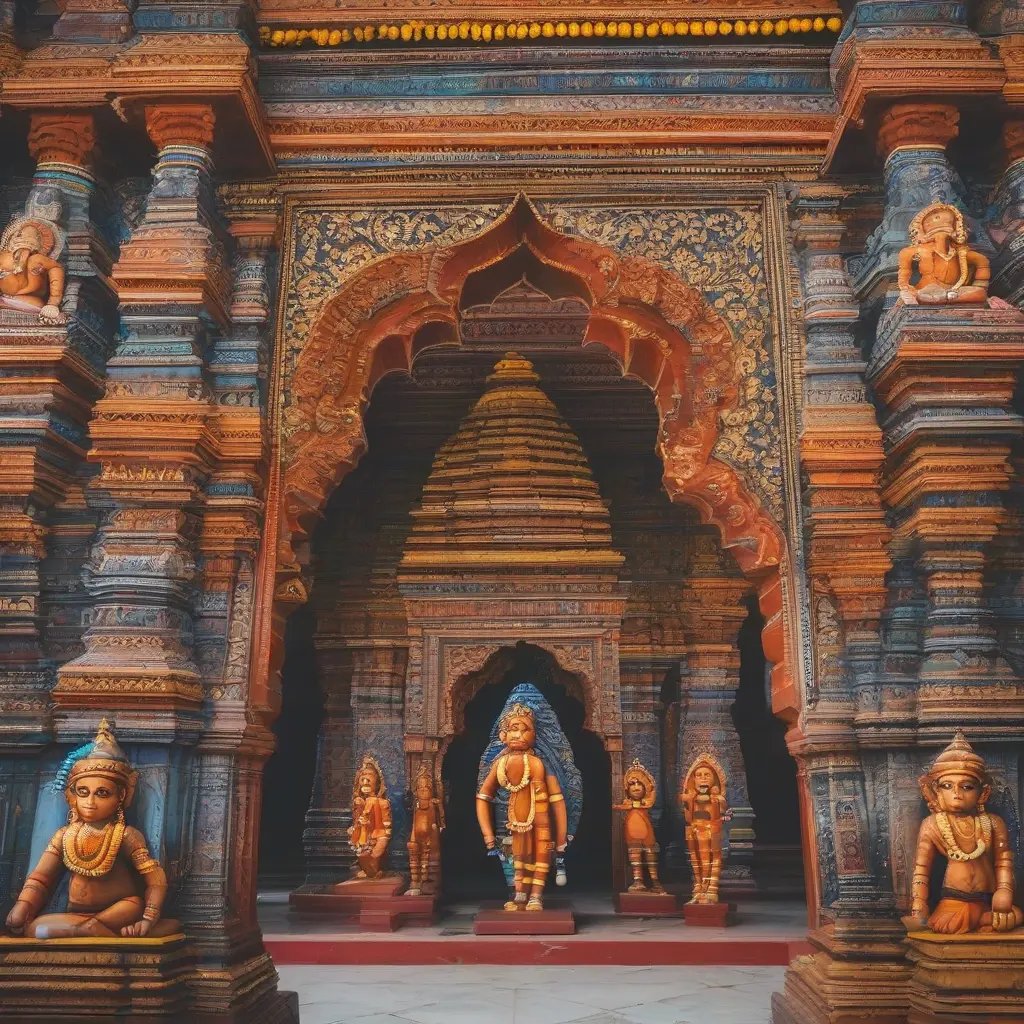
Visiting temples in India can be a profoundly enriching experience, deeply rooted in the nation’s cultural and spiritual heritage. To truly appreciate these sacred spaces, it is essential to respect local customs and traditions. Understanding the dos and don’ts can enhance your temple visit, allowing for a more authentic interaction with the local community. This guide will provide invaluable tips on how to navigate these important cultural sites, ensuring your experience is both respectful and memorable.
Understanding the Significance of Temples
Temples in India are not merely architectural marvels; they are vibrant centers of worship, community, and cultural expression. Each temple is dedicated to a specific deity and carries unique rituals and practices. Understanding the significance of the temple you are visiting enhances your appreciation of its cultural importance. Take time to research its history, architecture, and the rituals performed there, which can vary significantly across different regions and communities.
Dress Modestly When Visiting Temples
Modest attire is crucial when visiting temples in India. This typically means covering your shoulders, arms, and legs. Many temples provide shawls or wraps at the entrance for those who may not be adequately dressed. Wearing comfortable but respectful clothing reflects your understanding of the local customs and makes a positive impression on the devotees and temple staff. It’s advisable to avoid revealing or tight-fitting clothing, which may be deemed inappropriate.
Remove Your Footwear Before Entering
A common practice across Indian temples is to remove your footwear before entering sacred spaces. This act symbolizes respect for the holy environment. Most temples have designated areas for footwear storage, ensuring safety and cleanliness. Remember, walking barefoot on temple grounds is customary, so prepare yourself for this practice by wearing easily removable shoes or sandals, making this essential step seamless during your visit.
Observe Silence and Maintain a Reverent Attitude
Maintaining a respectful demeanor while in temples is essential. Observing silence, or speaking softly, helps create a serene atmosphere conducive to worship. Avoiding loud conversations, laughter, or disruptive behavior demonstrates respect for the sacredness of the space and its practitioners. Remember, many visitors may be engaged in prayer or meditation, and your respectful behavior enhances the overall experience for everyone present.
Understand Photography Rules
Photography rules can vary from temple to temple, so it’s important to know the guidelines before you snap any pictures. Some temples strictly prohibit photography, especially in areas considered highly sacred. Always look for signs indicating photography policies or inquire with temple staff before taking photos. When photography is allowed, ensure that you capture the essence of the temple respectfully and without disturbing others.
Participate in Local Rituals and Offerings
Engaging in local rituals and offerings can become an enriching part of your temple visit. Many temples offer opportunities to participate in puja (prayer rituals) or provide offerings such as flowers or fruits as a sign of respect. However, it’s crucial to follow the local customs and participate only if you feel comfortable and guided. Observing how locals partake in rituals can also provide insights into their significance and help deepen your cultural experience.
Ask for Permission Before Touching
When exploring temple areas, it’s respectful to ask for permission before touching sacred objects, idols, or altars. Many deities are believed to reside in the idols, and touching them without permission can be considered disrespectful. If you are unsure, simply observe how locals interact and be guided by their actions. This approach not only respects the local customs but also helps you learn more about the significance of these sacred elements.
Respect Personal Space in Crowded Temples
Indian temples can get quite crowded, particularly during festivals or important religious occasions. In such situations, respecting personal space is vital. Be mindful of your surroundings and try not to push or shove, as this can create tension among devotees. Maintain a calm demeanor and wait patiently for your turn during rituals or when observing the deity. A little patience can go a long way in ensuring a harmonious experience for everyone involved.
Be Culturally Sensitive When Exploring
Being culturally sensitive is essential while visiting temples. This means being aware of local customs and being open to learning about different practices. Avoid making assumptions or generalizations about what you see. Ask locals questions respectfully, and be willing to adapt your behavior based on their responses. Your willingness to learn and engage culturally can greatly enhance your experience and provide greater insights into the local way of life.
Avoiding Commercialism and Touristic Behavior
Many temples are community-driven spaces rather than tourist attractions. It is important to avoid overtly commercial behaviors, such as bargaining with local vendors or treating sacred spaces as mere photo opportunities. Approach your temple visits with a mindset of reverence and respect, and avoid engaging in behaviors that may trivialize the significance of these areas. Your approach will not only enhance your experience but will also foster goodwill with local communities.
Conclusion
Respecting local customs when visiting temples in India enriches your travel experience and fosters a deeper connection with the culture. By being mindful of dress codes, behavior, and local customs, you contribute positively to the sacred atmosphere of these spaces. Embrace the opportunity to learn and engage respectfully, enhancing both your understanding and appreciation of India’s rich spiritual heritage.