
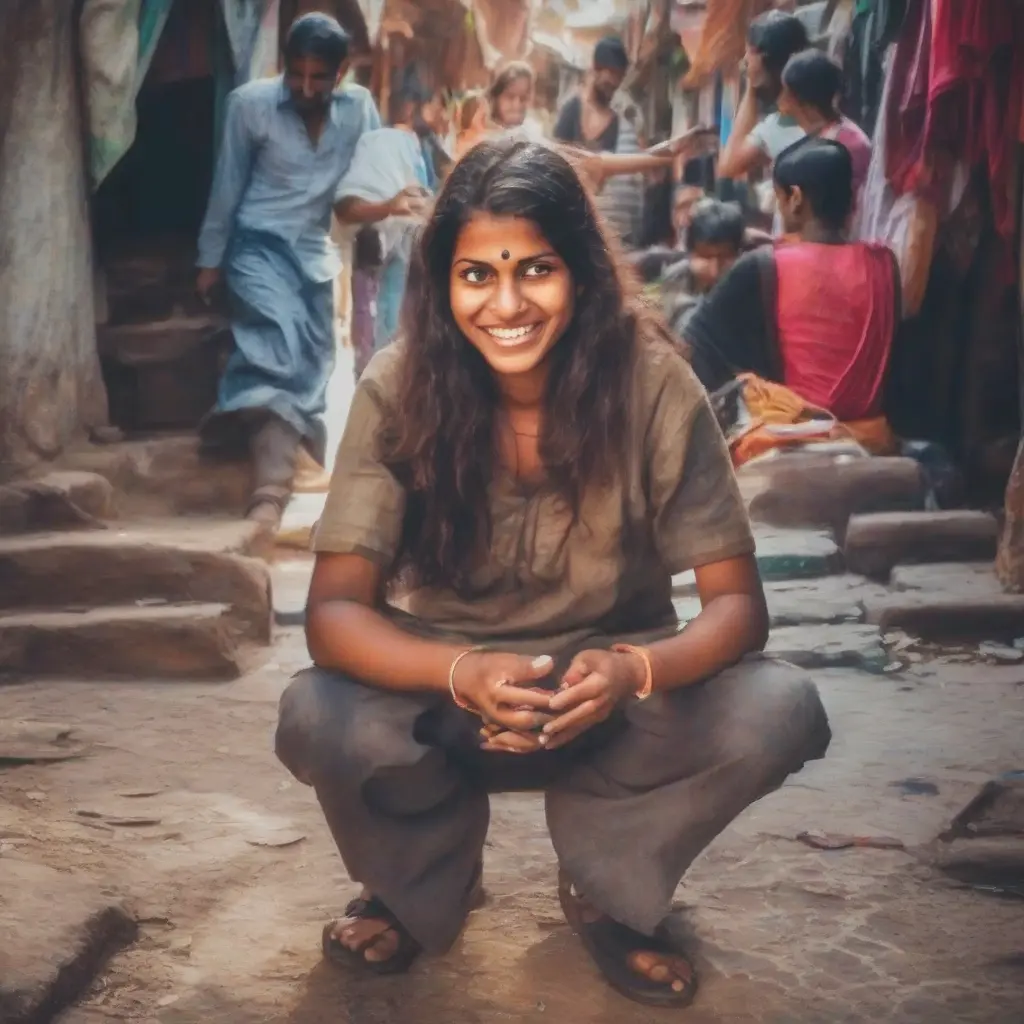
Traveling alone in India can be both exhilarating and daunting. As a solo traveler, understanding how to seek help and access resources is vital for ensuring your safety and peace of mind. With diverse cultures and varied regions, India offers a unique experience, but safety should always be a priority. Being aware of local contacts, emergency numbers, and safe practices can empower you to explore confidently. This guide covers essential tips on how to find support while traveling alone, ensuring that your Indian adventure remains enriching and secure.
Know Emergency Numbers
Familiarizing yourself with emergency contact numbers is crucial for solo travelers in India. The primary emergency number across the country is 112, which can connect you to police, fire, and medical services. Additionally, specific states may have their own local emergency numbers. Always keep these numbers handy on your phone and in a written format, especially while traveling to remote areas. Sharing these numbers with someone back home can also provide an extra layer of security, ensuring that help is just a call away if you encounter any issues.
Stay Connected with Local Authorities
Establishing a connection with local authorities can enhance your safety while traveling alone in India. Upon arrival in a new city, visiting the nearest police station and introducing yourself can be beneficial. Many regions have dedicated tourist police, trained to assist travelers. Additionally, registering with your embassy may provide you with key updates and support. Some embassies also have local contacts that can help you navigate the area. Staying in touch with the local authorities not only gives you a sense of security but also helps you assimilate into new environments.
Use Trusted Accommodations
Choosing the right accommodation is essential for solo travelers in India. Opt for well-reviewed hotels, hostels, or guesthouses that have a history of providing safe environments. Platforms like TripAdvisor and Booking.com offer user reviews that can help you assess the safety of a place. Look for accommodations that have 24-hour reception and good security measures. Additionally, sharing your location with friends or family can further establish a safety net, ensuring that someone knows where you are at all times during your travels.
Learn Basic Local Language Phrases
While English is widely spoken in urban areas, knowing a few basic phrases in the local language can greatly enhance your safety and experience as a solo traveler in India. Phrases like ‘Help!’, ‘Police Station’, and ‘Bathroom’ can be instrumental, especially in areas less frequented by tourists. Locals often appreciate when visitors attempt to communicate in their language, fostering a sense of goodwill. Carrying a translation app or a pocket phrasebook can also provide you with instant access to essential vocabulary and phrases.
Utilize Travel Apps for Safety
In today’s digital age, utilizing travel apps can significantly enhance your safety and resourcefulness while traveling alone in India. Apps like Google Maps enable you to navigate unfamiliar locales, while safety apps like bSafe can help you share your location with trusted contacts. Additionally, downloading offline maps and transportation apps can ease your mobility in areas with limited connectivity. Always ensure your phone is charged and has a reliable data plan, making it easier to access resources and stay informed about your surroundings.
Be Aware of Your Surroundings
Staying alert to your surroundings is a vital safety tip for solo travelers in India. Cultivate situational awareness by observing the behaviors and movements of those nearby. When in crowded areas, be especially cautious of pickpockets and scams. Trust your instincts; if something feels off, it’s best to remove yourself from the situation. Engaging with locals can also provide insights into safe practices and areas to avoid. Keeping your belongings secure and staying in well-lit, populated areas during the night can further enhance your safety.
Establish a Daily Check-in Routine
Creating a daily check-in routine is a practical safety measure while traveling alone in India. Inform family or friends of your plans each day, including your intended destinations and approximate times of arrival. This practice allows others to track your movements and act promptly if necessary. Sending regular updates via text or social media can also provide a sense of connection back home. Establishing this routine helps mitigate risks and reassures both you and your loved ones while fostering a sense of independence.
Understand Local Customs and Cultural Sensitivities
Understanding local customs and cultural sensitivities is crucial for enhancing your experience as a solo traveler in India. Each region has its own traditions and social norms that travelers should respect and follow. Engaging in cultural practices, such as dress codes or behavioral guidelines, not only demonstrates respect but also enhances your interaction with the locals. Educating yourself about the cultural practices before visiting a new area helps prevent misunderstandings and would make you feel more at ease as you navigate different environments.
Seek Support from Other Travelers
Connecting with other travelers can provide an additional layer of security and support during your solo journey in India. Many hostels and travel forums, such as Couchsurfing or Lonely Planet’s Thorn Tree, facilitate meeting fellow travelers. Sharing experiences, tips, and even forming travel groups for day trips can enhance your safety. By creating a network of fellow travelers, you not only gain companionship but also valuable insights about the places you plan to visit. Building a community can make the journey more enjoyable and secure.
Utilize Local Guides and Tours
Consider utilizing local guides and tours to enhance your safety while exploring India. Licensed guides often possess in-depth knowledge of the area, providing insights into local customs and potential hazards. They can assist you in avoiding less safe areas and ensure a smoother travel experience. Many companies offer small group tours tailored for solo travelers, allowing you to explore while enjoying the security of companionship. Researching and booking reputable tours in advance can help ensure you receive a safe and enriching experience.
Conclusion
Traveling alone in India can offer a wealth of experiences, but prioritizing safety is essential. By knowing emergency contacts, leveraging local resources, and remaining aware of your surroundings, you can navigate the complexities of solo travel with confidence. Remember to connect with trusted accommodations, learn local customs, and engage with fellow travelers to enrich your journey. An informed traveler is a safe traveler, and by following these tips, you can ensure that your solo adventure in India is both enjoyable and secure.