
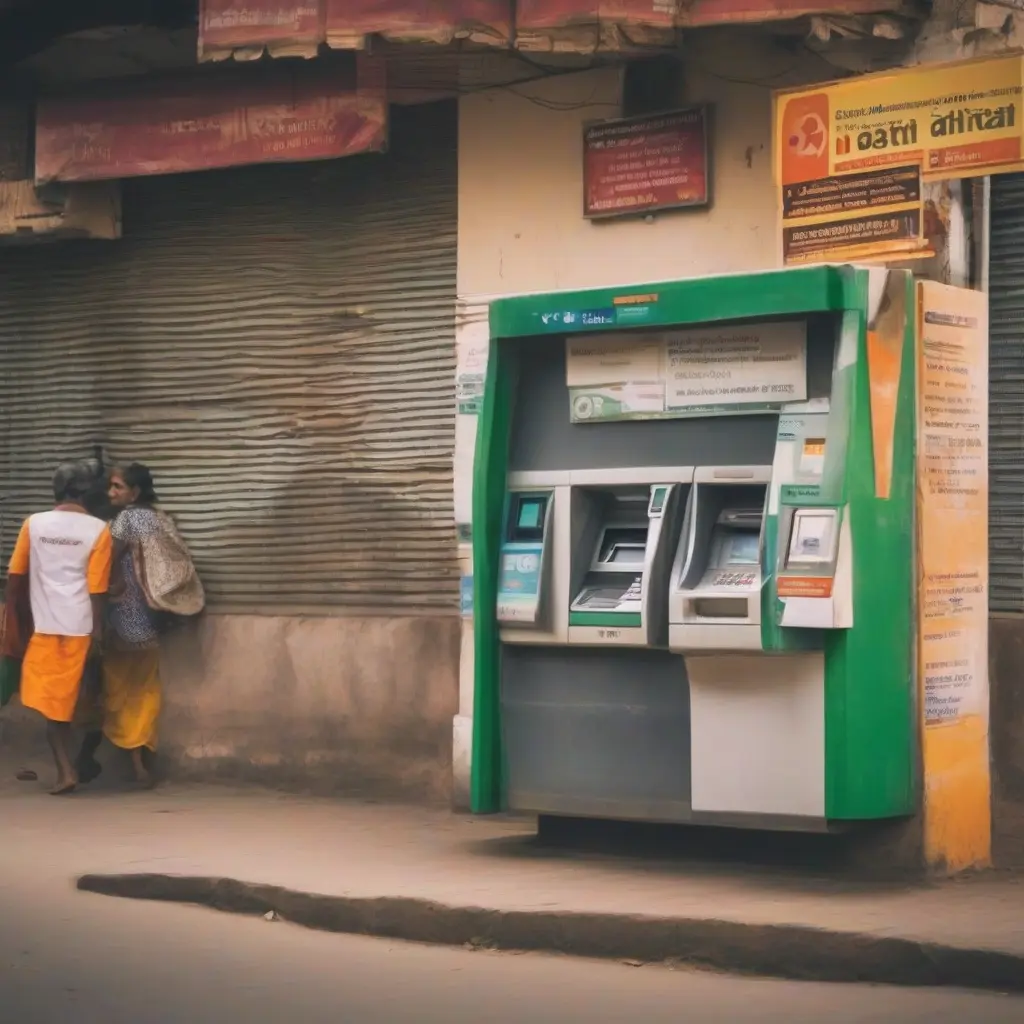
Traveling in India offers a rich cultural experience, but accessing cash can sometimes be challenging. With a variety of banking systems and ATMs spread throughout cities and rural areas, understanding how to navigate these can save travelers from unnecessary stress. Common missteps can lead to difficulties, including wasting time or incurring fees. This guide aims to provide essential tips to help travelers find cash easily and safely while avoiding common pitfalls.
Research Local ATM Availability
Before traveling to India, it’s crucial to research the availability of ATMs in the areas you plan to visit. Urban centers like Delhi, Mumbai, and Bangalore typically have numerous ATMs, but rural regions may have fewer options. Checking for nearby banks or well-known ATM networks can help. Additionally, consider downloading apps that locate ATMs, which can save time during your travels. This initial research allows you to plan ahead and reduces reliance on cash in areas where it might be harder to find.
Notify Your Bank of Travel Plans
Informing your bank about your travel plans is essential to avoid unexpected issues with card transactions. Many banks monitor your account for fraudulent activity, and foreign purchases can trigger security alerts. By notifying them, you can minimize the chance of your card being blocked while abroad. This precaution helps ensure that your funds remain accessible at critical moments, allowing for smoother transactions without the stress of dealing with blocked cards in unfamiliar locations.
Choose the Right Type of Card
Selecting the right type of debit or credit card can significantly influence your cash access experience in India. Preferred cards should ideally feature low foreign transaction fees and wide international acceptance. Visa and Mastercard are generally accepted at most ATMs and establishments. Additionally, consider carrying a backup card in case one is lost or blocked. Using cards with favorable exchange rates also helps maximize your funds and avoid excessive withdrawal costs.
Understanding Fees and Charges
Awareness of fees associated with ATM withdrawals is vital for smart budgeting during your trip to India. Local banks might charge fees for foreign cards, on top of any fees your home bank imposes. It’s beneficial to inquire about these charges beforehand to avoid surprises when withdrawing cash. Often, using ATMs affiliated with your home bank’s network can help reduce or eliminate fees altogether. Knowing the costs associated with your transactions will help you better manage your travel budget.
Use ATMs in Safe Locations
Safety should be a top priority when accessing cash in India. Choose ATMs located in well-lit, populated areas, as they are less likely to be targeted for scams or theft. Airports, banks, and shopping malls typically offer safer options. Additionally, avoid withdrawing large amounts of cash at once, as it can make you a target. Opting for smaller transactions throughout the day keeps your cash safe and makes it less conspicuous. Ensuring your safety while withdrawing cash can enhance your overall travel experience.
Watch Out for Skimming Devices
Fraudulent activities, such as card skimming, are a concern for travelers using ATMs in India. Skimming devices are often attached to ATM machines to capture your card and PIN details. Always inspect the ATM for any unusual attachments before inserting your card. Look for scratches, loose parts, or anything that seems out of place. Using ATMs at reputable banks is generally safer, and employing cash withdrawal methods at trustworthy locations can help safeguard your transaction.
Keep Emergency Cash Accessible
Having a portion of your travel funds in cash is a smart strategy while traveling in India. While ATMs are available in most urban areas, network outages or service issues can occasionally prevent access to cash. Keeping a small reserve of cash in a safe place allows you to manage emergencies effectively. This ensures that you have transport fare, tips, or other minor expenses covered when needed. Balancing cash with card provisions provides a buffer for unforeseen circumstances.
Learn Basic Currency Exchange
Understanding the local currency and exchange rates is vital for managing your expenses in India effectively. The Indian Rupee (INR) is the official currency, and knowing the current rates can help you avoid unfavorable exchange ratios. Exchange money at reputable places like banks or authorized exchange offices to minimize risks. Familiarizing yourself with local banknotes and coins will also ease everyday transactions, allowing for smoother interactions when shopping or dining out.
Plan for Different Payment Methods
While cash is necessary in many places in India, digital payment options are increasingly popular, especially in urban centers. Familiarize yourself with mobile wallet apps, such as Paytm or PhonePe, which can make transactions smoother and more convenient. These platforms often allow you to pay at shops, restaurants, and for services directly from your phone. However, ensure your bank cards are linked to these apps ahead of your trip to facilitate seamless transactions, providing more flexibility in how you handle payments.
Conclusion
Navigating cash access in India requires careful planning and awareness of local practices. By employing strategies such as researching ATM locations, notifying your bank, and understanding fees, travelers can significantly enhance their experience. Remaining vigilant about safety and having alternative payment methods will guide you towards a hassle-free journey. Being prepared allows you to enjoy the diverse experiences India has to offer without the stress of cash-related challenges.