
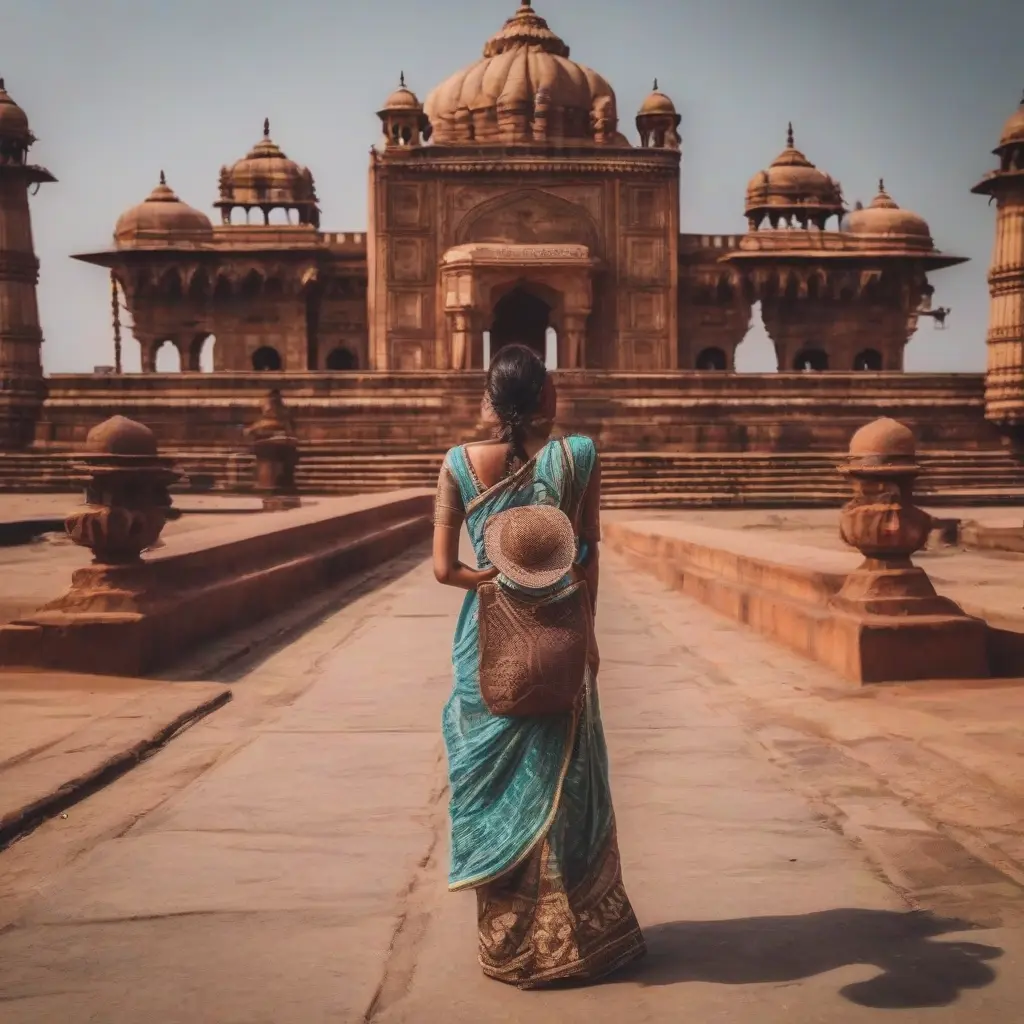
Traveling alone in India can be an enriching experience, filled with vibrant culture and stunning landscapes. However, it is essential to prioritize safety before embarking on your journey. This article will guide you through crucial safety tips, cultural considerations, and practical preparations to ensure a smooth solo trip. Proper planning can enhance your confidence and enjoyment as you explore this diverse country, allowing you to focus on creating lasting memories.
Research Your Destination
Thorough research about the places you plan to visit is vital. Familiarize yourself with local customs, transportation options, and accommodation standards. Different regions in India exhibit unique cultural norms, so understanding them can enhance your experience. Investigate which areas are considered safe for solo travelers and which may require caution. Online travel forums, blogs, and travel advisories can provide valuable insights, helping you prepare adequately and avoid potential risks.
Stay Connected
Maintaining communication is critical during solo travel. Ensure you have a reliable mobile phone and consider purchasing a local SIM card for better connectivity. Apps like WhatsApp and social media platforms can help you stay in touch with friends and family. Additionally, sharing your itinerary with someone can provide an added layer of security. Regular check-ins can help reassure your loved ones while making sure someone is aware of your whereabouts.
Choose Accommodation Wisely
Selecting the right accommodation can significantly affect your safety and comfort. Opt for well-rated hotels or hostels that cater to solo travelers and provide 24-hour security. Reading reviews on platforms like TripAdvisor or Booking.com helps gauge the reputation of the lodging. Also, consider locations that are conveniently situated near major attractions and public transport, as this can limit your travel after dark, enhancing your overall safety.
Be Cautious with Local Transportation
Navigating local transportation can be daunting but knowing your options can ease the process. Utilize reputable taxi services or rideshare apps like Uber or Ola, as they provide a level of safety and reliability. When using public transport, try to travel during peak hours and keep an eye on your belongings. Familiarize yourself with routes in advance, and avoid traveling late at night to minimize risks associated with unfamiliar areas.
Dress Appropriately
Understanding and respecting local dress codes can enhance safety and cultural acceptance during your travels. India is diverse, and attire norms can vary significantly among regions. Dressing modestly helps you blend in and reduces unwanted attention. Lightweight, comfortable clothing made from breathable fabrics is ideal, especially considering India’s climate. Being culturally sensitive regarding your wardrobe also demonstrates respect for local customs, fostering positive interactions with locals.
Beware of Scams
As a solo traveler, being aware of common scams can protect you from potential pitfalls. Familiarize yourself with tactics often used by scammers, such as overly friendly locals offering unsolicited help or unofficial tour guides. Always verify the credentials of guides and confirm prices in advance for services like taxis or tours. Trust your instincts—if a situation seems off, don’t hesitate to remove yourself from it. Awareness can help you navigate smoothly through your travels.
Cultural Sensitivity
Respecting cultural norms is crucial for a positive travel experience. Research customs, traditions, and etiquette specific to the regions you’ll visit. For instance, understanding the significance of religious sites can enhance your appreciation and interactions. Engaging with locals in a respectful manner can lead to enriching exchanges. Learning a few words of the local language may also facilitate friendly interactions and demonstrate your willingness to connect with the culture authentically.
Emergency Contacts
Before traveling, compile a list of emergency contacts and local resources. Save the contact information of your country’s embassy and local emergency services. Familiarize yourself with the nearest hospital, local police station, and your accommodation’s contact details. Keeping this information accessible can be invaluable in times of need. Equip yourself with knowledge of safe places to seek help should any emergencies arise during your trip.
Stay Aware of Your Surroundings
Being aware of your environment is key to solo travel safety. Pay attention to your surroundings, especially in crowded areas where pickpocketing might occur. Avoid displaying valuables such as expensive jewelry or gadgets that could attract attention. Trust your instincts—if a situation feels uncomfortable, it’s perfectly reasonable to leave. Staying vigilant allows you to enjoy your experience while minimizing risks associated with unfamiliar territories.
Plan Your Itinerary Carefully
A well-planned itinerary can enhance both enjoyment and safety during your travels. Clearly outline your daily activities, but remain flexible to adapt to unforeseen events. Consider local events, weather conditions, and transportation schedules when organizing your plans. Ensuring that you allocate time for rest will also help you maintain a high energy level as you explore. Balancing structured plans with opportunities for spontaneity can enrich your travel experience.
Conclusion
Traveling alone in India offers unique opportunities for personal growth and cultural exploration. By following these safety tips and being open to learning about local customs, you can ensure a fulfilling travel experience. Emphasizing research, awareness, and planning creates a framework for enjoying your journey while minimizing risks. With appropriate measures in place, you can immerse yourself in the rich adventures India has to offer.