
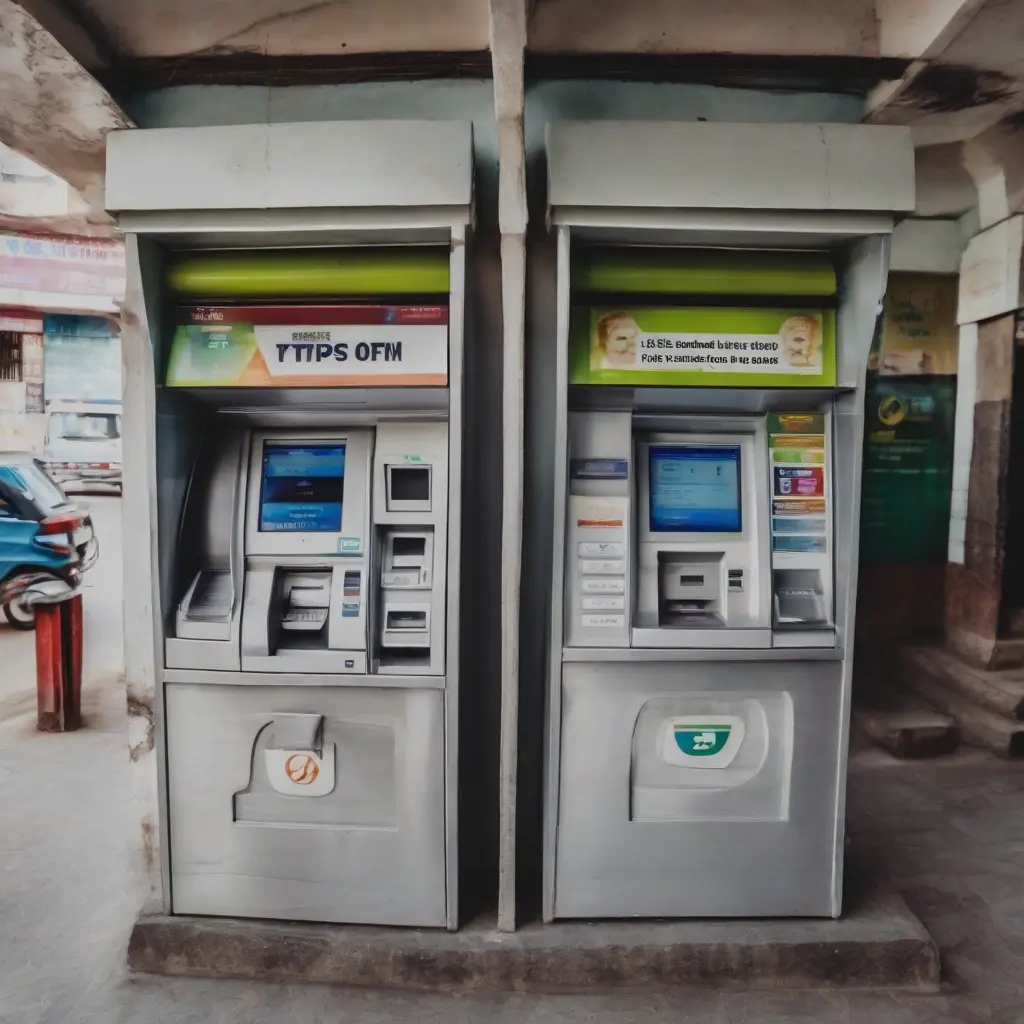
Using ATMs in India can be a convenient way to access cash while traveling. However, ensuring your safety and security during withdrawals is crucial. With the growing number of ATMs across the country, it’s essential to be aware of how to use them securely. This guide focuses on best practices, including location tips, precautions, and security measures that will help you have a safe and hassle-free experience while using ATMs in India.
Choose ATMs in Safe Locations
Selecting the right location for ATM usage is fundamental in ensuring your safety. Opt for ATMs located in well-lit and populated areas, such as near banks, shopping centers, or hotels. Avoid ATMs in secluded or poorly lit places, especially at night, as these can pose security risks. It is also advantageous to choose ATMs that are part of reputable banking networks, as they tend to have better security measures in place.
Be Aware of Your Surroundings
Before using an ATM, take a moment to assess your surroundings. Look around to ensure there are no suspicious individuals nearby. If someone appears to be loitering or acting strangely, it may be best to wait for a more secure moment to proceed. Being aware of suspicious activities can help you avoid potential scams or theft while prioritizing your personal safety at all times.
Inspect the ATM for Skimming Devices
Before inserting your card into an ATM, inspect it for any unusual attachments or devices. Skimmers can be placed over the card slot or the keypad to capture your card information and PIN. If anything looks out of place or seems to obstruct the ATM’s normal operation, do not use that machine. Instead, report it to local authorities or bank representatives, as this can help prevent others from falling victim to fraud.
Use ATMs During Business Hours
If possible, use ATMs during regular business hours when bank staff are present. These ATMs tend to be monitored and offer additional safety compared to those operating 24/7 in isolated areas. During business hours, the likelihood of encountering someone who can help or intervene in case of suspicious activity increases, making it a safer time for withdrawals.
Keep Your PIN Confidential
Your Personal Identification Number (PIN) should remain confidential at all times. When entering your PIN at an ATM, ensure no one is watching over your shoulder. If you’re nervous about being observed, use your body to shield the keypad while you enter the number. Avoid using easily guessable numbers like birthdays or anniversaries, and consider changing your PIN frequently to enhance security.
Limit Withdrawals at One Time
To minimize potential losses, limit the amount of cash you withdraw in one transaction. Withdrawal limits not only reduce the amount of cash you carry, which lessens the risk of theft but also provides an additional layer of protection against financial losses if your cash is lost or stolen. Consider planning your withdrawals to ensure you have enough cash for your needs without carrying excess.
Secure Your Cash Immediately
Once you have completed your withdrawal, securely store your cash immediately. Avoid counting your money at the ATM or in public view, as this can attract unwanted attention. Instead, put your cash away in a secure wallet or bag before leaving the ATM area. Ensuring that your money is secured right away helps reduce the risk of theft and ensures your personal safety.
Report Suspicious Activity or Fraud
If you encounter any suspicious activity at an ATM, such as someone attempting to distract you or if you notice tampering, report it immediately to local authorities. Additionally, if your card is captured by the ATM or you suspect fraud, contact your bank to block your card as soon as possible. Prompt reporting can help protect not only yourself but also others in the vicinity from potential fraud.
Understand Currency and Fees
Before withdrawing cash, familiarize yourself with the local currency and potential ATM fees. Many banks charge additional fees for withdrawals outside your home country, which can add up quickly. Understanding these costs ahead of time allows you to effectively plan your finances while traveling. It may also help to compare currency exchange rates to ensure you are getting the best value for your withdrawals.
Stay Updated on Bank Notifications
Regularly check your mobile banking notifications for updates regarding transactions. Banks often send alerts for withdrawals, balances, and suspicious activities. By staying informed, you can quickly identify unauthorized transactions and take the necessary actions. It’s advisable to inform your bank of your travel plans beforehand, ensuring your card is not flagged for unusual activity while you’re abroad.
Consider Using Travel Cards
Using travel-specific prepaid cards or debit cards can provide an additional layer of security for withdrawals. These cards often come with specific travel benefits, including lower fees and better exchange rates. Moreover, many travel cards offer enhanced security features to protect against fraud, making them a solid alternative to traditional ATM withdrawals in foreign countries.
Know How to Contact Your Bank
Before heading to India, ensure you have the necessary contact information for your bank’s customer service, especially for international assistance. Keep this information accessible, either printed or saved on your mobile device, in case you encounter any issues during your travels. Knowing how to reach your bank can expedite problem-solving when facing ATM-related troubles or unauthorized transactions.
Conclusion
Using ATMs in India can be straightforward if you employ these best practices for secure withdrawals. By being observant, staying informed, and taking necessary precautions, you can enjoy a safe and hassle-free experience when accessing cash. Remember that a proactive approach is key to maintaining your security while traveling.