
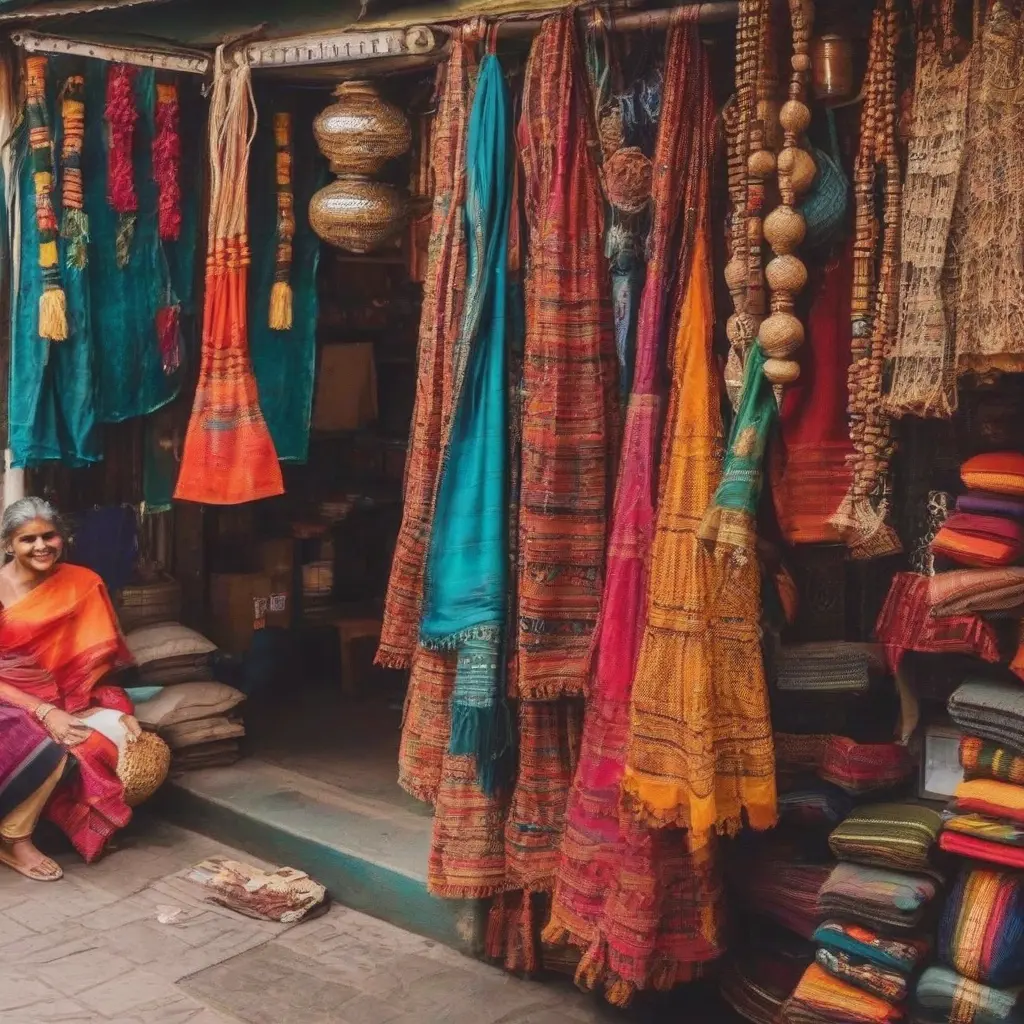
Buying souvenirs in India can be an enriching experience, filled with opportunities to find unique items that capture the essence of your travels. However, with so many options available, it can be challenging to discern authentic products from mass-produced imitations. This guide will provide invaluable tips for navigating local markets, understanding the cultural significance of various souvenirs, and ensuring that your purchases genuinely reflect the rich artistry and heritage of India.
Understanding Local Art and Craft Traditions
India is home to diverse art and craft traditions that vary significantly from region to region. Knowledge of these distinctive styles can enhance your shopping experience extensively. For instance, you may encounter intricate block prints in Rajasthan, vibrant handicrafts from Gujarat, or exquisite silk weaves from Varanasi. Understanding these traditional art forms will not only enrich your appreciation for the crafts but also help you support local artisans and their communities.
Exploring Different Types of Souvenirs
Souvenirs in India range from textiles and jewelry to pottery and paintings, each offering a glimpse into the country’s rich cultural tapestry. Textiles like pashmina shawls and handwoven carpets are popular choices, while handcrafted jewelry often reflects local motifs and designs. Pottery and paintings, especially those inspired by local folklore or religious themes, also make for meaningful keepsakes. Familiarizing yourself with these options can help you make informed purchasing decisions.
Where to Buy Authentic Souvenirs
Local markets and artisan cooperatives are ideal places to find authentic souvenirs. While touristy spots may offer convenience, they often lack the genuine essence of Indian craftsmanship. Look for government-run emporiums, which promote certified artisans and their work. Visiting villages where artisans create their products can also provide a unique experience, allowing you to witness the craftsmanship firsthand and build a connection with the makers.
Bargaining Tips for Tourists
Bargaining is a common practice in Indian markets and can be part of the shopping experience. Start by determining a fair price for your desired items, considering the craftsmanship involved. When negotiating, maintain a friendly demeanor and be respectful. A good rule of thumb is to offer about 50% of the initial asking price and negotiate from there. This approach helps create a pleasant transaction, often leaving both parties satisfied.
Checking for Quality and Authenticity
Before making a purchase, ensure the item’s authenticity and quality. Look for signs of craftsmanship such as neat stitching or intricate details, particularly in textiles and jewelry. For wooden or ceramic items, check for smooth finishes and absence of cracks. If purchasing textiles, inquire about the material used. Understanding these nuances can help ensure that what you buy is a genuine representation of India’s rich artisan culture.
Understanding the Cultural Significance
Many souvenirs in India carry deep cultural or religious meaning. For instance, items like idols of deities or traditional masks might be significant to various local communities. Engaging with artisans or shopkeepers can provide insight into the cultural context of these items, enhancing your buying decision. Respect the cultural significance while choosing items, as this will not only ensure you are making an informed purchase but will also foster a deeper connection to your travel experience.
Ethical Souvenir Shopping
Engaging in ethical shopping practices is essential while purchasing souvenirs in India. Opt for items made from sustainable materials and support local craftspeople directly. Many artisans face challenges due to competition from mass-produced goods. By choosing locally-made products, you contribute to preserving traditional craftsmanship and supporting the local economy. Furthermore, being mindful of the environmental impact of your purchases can help promote sustainable tourism in the region.
Packing Your Souvenirs Safely
When purchasing souvenirs, consider how to pack them for travel to avoid damage. Soft textiles can be rolled up, while fragile items should be nestled within your clothing or packed with cushioning materials. Using padded containers or bubble wrap is also advisable for fragile items like pottery or glass. Ensuring your souvenirs are well-protected during your journey will help maintain their integrity so you can enjoy them long after your travels.
Respect Local Laws and Regulations
When buying souvenirs, it’s crucial to respect local laws and regulations, especially concerning items that may be restricted or require permits for export. Certain artifacts, antiques, or items made from endangered species may fall under strict legal guidelines. Researching and adhering to these rules is not only courteous but also ensures that your purchases are ethically and legally compliant, allowing you to enjoy your souvenirs without any future concerns.
Conclusion
Buying souvenirs in India can be a fulfilling journey that enriches your travel experience. By understanding the local crafts, bargaining respectfully, and prioritizing ethical purchasing practices, you can bring home unique items that authentically represent the country’s rich heritage. Embrace these tips to ensure that your shopping experience is not only enjoyable but also beneficial for the artisans and communities that create these beautiful treasures.