
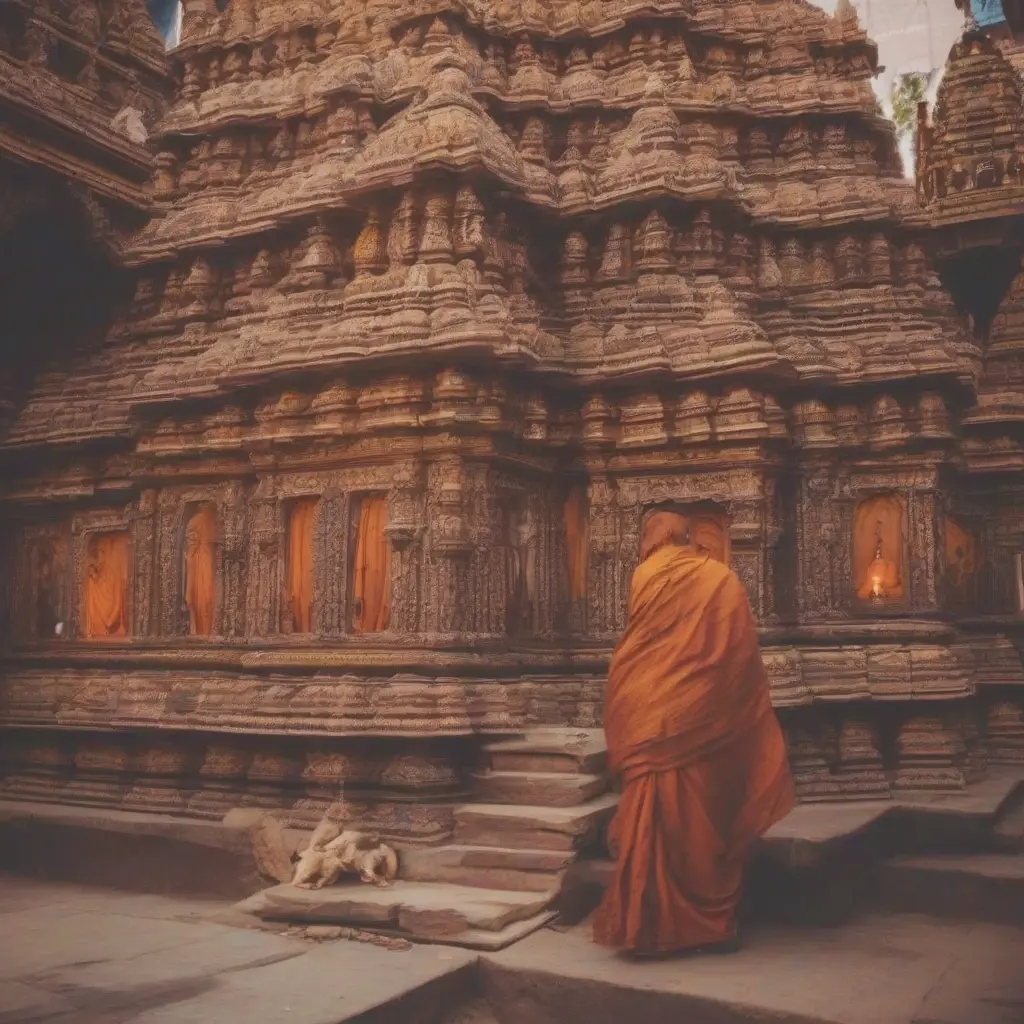
Spiritual travel in India offers a unique opportunity to connect with ancient practices, philosophy, and community. By visiting the country’s rich array of temples and ashrams, travelers can immerse themselves in spiritual traditions and experience personal growth. This article provides essential tips for those looking to navigate these sacred sites effectively, ensuring a respectful and fulfilling journey. From choosing the right locations to understanding local customs, these guidelines will help you make the most of your spiritual exploration in India.
Choosing the Right Destination for Spiritual Travel
India boasts numerous destinations ideal for spiritual travel, each offering a unique experience. Popular locations such as Rishikesh, Varanasi, and Auroville serve as centers for spiritual learning, yoga, and meditation. Rishikesh, known as the ‘Yoga Capital of the World,’ is nestled in the foothills of the Himalayas, providing serene surroundings perfect for reflection. Varanasi, on the other hand, presents an ancient atmosphere along the Ganges River, making it one of the holiest cities in Hinduism. Assessing what resonates with your spiritual goals can significantly enhance your experience.
Understanding Local Customs and Traditions
Before visiting temples and ashrams, understanding local customs and traditions is crucial. In many spiritual places, etiquette, such as removing shoes before entering sacred areas, is strictly observed. Covering shoulders and knees, particularly in temples, is also a sign of respect. Furthermore, engaging in rituals can differ significantly from one location to another, so familiarizing oneself with practices like offering flowers or lighting candles is beneficial. This understanding fosters respect and enhances the spiritual experience while minimizing misunderstandings.
Packing Essentials for Your Spiritual Trip
Packing wisely can significantly contribute to a smooth spiritual journey in India. Light, breathable clothing made from natural fibers is advisable for comfort in varying temperatures, especially if you plan to engage in yoga or meditation. Additionally, including essentials such as a reusable water bottle, yoga mat, journal, and a modest scarf can enhance your experience. Having a few local currency notes will also help in small transactions, such as purchasing offerings or making donations at temples. Overall, thoughtful packing plays a role in keeping you comfortable and prepared.
Participating in Regular Classes and Workshops
Many ashrams and temples offer classes and workshops that can significantly enrich your spiritual experience. Engaging in daily yoga sessions, meditation workshops, or spiritual discussions helps deepen your understanding of the local practices and philosophies. This active participation allows travelers to interact with experienced practitioners and like-minded individuals. Additionally, there are numerous retreats available that focus on specific disciplines such as Ayurveda, chanting, or mindfulness. This structured approach helps in gaining meaningful insights into spiritual life.
Connecting with Local Communities
Connecting with local communities can provide a richer experience during your spiritual travel in India. Engaging in volunteer opportunities or participating in community events allows travelers to delve deeper into local customs and traditions. Many ashrams encourage interactions with their residents, fostering relationships based on shared interests and values. Through participating in local festivals or service projects, visitors can build lasting memories while contributing positively to the community. Such interactions not only enhance spiritual learning but also promote cultural exchange.
Exploring Different Spiritual Practices
India is a melting pot of diverse spiritual practices, and exploring these can profoundly impact your journey. From Hinduism and Buddhism to Jainism and Sikhism, each tradition offers unique teachings and practices. Attending sermons, participating in meditative sessions, or engaging with different faith leaders can broaden your perspective on spirituality. Furthermore, many regions specialize in distinct forms of worship or philosophies, such as Bhakti in Tamil Nadu or Sufism in parts of North India. Embracing these variations can foster personal insights and a more comprehensive understanding of India’s spiritual landscape.
Mindfulness and Reflection During Your Stay
Incorporating mindfulness and reflection during your stay can enhance the spiritual experience you seek in India. Taking moments throughout the day for quiet contemplation allows for deeper introspection and processing of your experiences. Whether sitting by a river, meditating in a temple, or journaling your thoughts, these practices contribute to a more profound connection with your surroundings. Mindfulness can help travelers remain present, appreciate the nuances of cultural interactions, and deepen their understanding of spiritual teachings encountered throughout their journey.
Respecting Sacred Spaces
Respecting sacred spaces is paramount while visiting temples and ashrams in India. Each site holds immense spiritual significance, and maintaining a respectful demeanor is essential. This includes observing silence in meditation halls, refraining from photography in restricted areas, and following the guidelines set by the site. Observing the behavior of locals can offer insight into acceptable practices. Graciously accepting any guidance provided by the authorities or ashram residents is also a mark of respect that can foster goodwill and provide a more enriching experience.
Conclusion
Experiencing spiritual travel in India requires mindful preparation, respect for local customs, and an openness to diverse practices. By choosing the right destinations, actively engaging in communities, and reflecting on your journey, you can create a transformative experience that resonates deeply with your personal spiritual path. Whether seeking wisdom through yoga, meditation, or cultural immersion, the journey through India’s spiritual landscape promises growth, connection, and profound peace.