
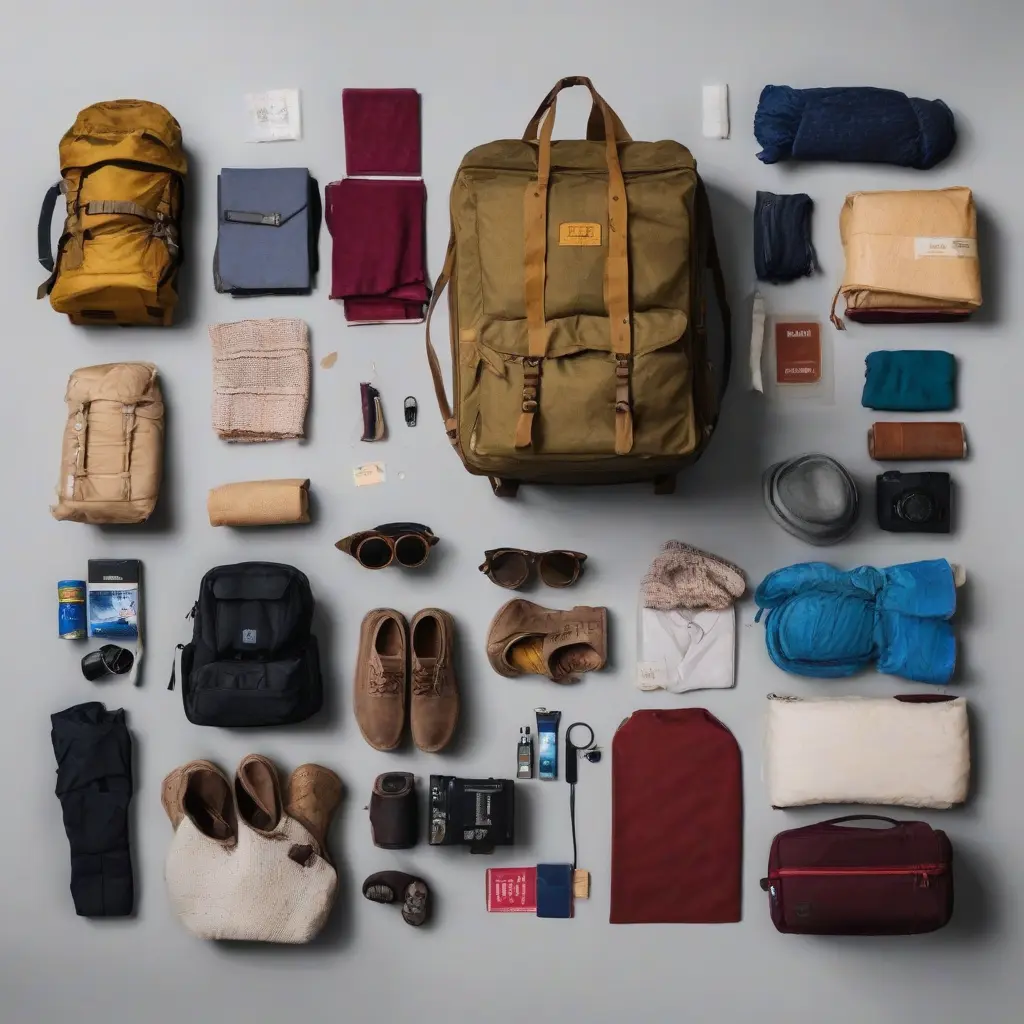
Traveling across India presents a unique opportunity to experience diverse climates, from the cold mountains of the Himalayas to the warm beaches of Goa. Packing for such varied environments can be challenging; it requires careful consideration of materials, versatility, and comfort. This guide aims to equip travelers with essential packing tips to ensure they remain prepared in unpredictable weather conditions and enjoy their journey across this colorful and culturally rich country.
Understanding India’s Climate Zones
India features a multitude of climate zones, including tropical, desert, temperate, and alpine. The coastal regions tend to be humid and warm, while northern areas, especially during winter, can be quite chilly. Understanding these varying climates is crucial when packing. Researching the specific regions you plan to visit will help tailor your packing list to include appropriate clothing and items that can handle the temperature fluctuations and weather changes.
Versatile Clothing Essentials
Opt for versatile clothing that can be layered for warmth or worn comfortably in hot weather. Quick-dry fabrics are advisable for their adaptability. Lightweight layers such as t-shirts, long sleeves, and a warm fleece or jacket can provide coverage and ease in different climates. Additionally, consider packing clothes in neutral colors that can be mixed and matched to minimize luggage while maximizing style. This strategy will keep you looking good regardless of the weather conditions.
Footwear for Varied Terrains
Selecting the right footwear is essential for a multi-climate trip. Lightweight, breathable shoes are ideal for hot and humid areas, while sturdy, insulated boots are crucial for colder or rugged regions. Opt for a pair of sandals for beach destinations and flip-flops for easy access in and out of accommodations. Ensure that your selected footwear is comfortable for extended walking, as exploring cities and natural wonders often requires significant time on your feet.
Weather-Ready Accessories
Accessories often make a significant difference in your travel experience. A wide-brimmed sun hat is essential for sun protection, while a lightweight scarf can serve multiple purposes, including warmth or sun protection. Additionally, packing an umbrella or a compact rain jacket will protect against sudden rain showers in certain regions. Sunglasses are also vital for protection against UV rays when traveling in sunny areas.
Health and Safety Supplies
Staying healthy while traveling in India involves bringing essential health supplies. A well-stocked first aid kit should include basic medications for allergies, pain relief, and digestive issues, which can often arise. Make sure to pack hand sanitizer, insect repellent, and sunscreen, as these will protect against common travel ailments and sunburn. Knowing the proper vaccinations and health precautions for your travel areas is also crucial before departure.
Technology and Gadgets
In today’s digital age, technology is vital for both communication and navigation. Ensure you pack necessary gadgets like a smartphone, portable charger, and universal adapter. A power bank can be a lifesaver in remote areas where power sources are limited. Additionally, invest in a reliable camera to capture the stunning landscapes and cultural vibrancy of India. Don’t forget to download essential travel apps that can aid in planning and navigating your journey.
Packing Techniques for Travel Efficiency
Effective packing techniques can help maximize space in your luggage and keep your items organized. Use packing cubes to compartmentalize clothing and accessories, which makes it easier to find what you need. Rolling clothes can save space and reduce wrinkles, while compression bags can help remove excess air from bulkier items. Always leave some empty space for souvenirs or items you might acquire during your travels.
Cultural Considerations in Clothing
Understanding cultural sensitivities regarding dress is essential while traveling in India. Certain regions prefer modest clothing, especially in religious sites. Consider packing long skirts or lightweight pants, as well as shirts with sleeves to respect local customs. Additionally, certain fabrics are more culturally appropriate and can help you blend in with the locals, which enhances your travel experience and interactions.
Adapting to Local Environments
When you arrive in a new region, it’s important to adapt to the local environmental conditions. Take the time to adjust your clothing and gear to fit the local climate. For example, if you’re visiting a hill station, layering is vital; conversely, lighter clothing is preferable in tropical areas. Local markets often offer traditional clothing or accessories, providing both cultural insights and practical solutions to your packing dilemmas.
Conclusion
Packing for a multi-climate trip across India necessitates careful planning and consideration of various factors, including clothing, footwear, and essential items that cater to diverse environments. By understanding India’s climate zones and preparing adequately, travelers can ensure they are ready for any weather condition. Implementing these packing tips will pave the way for a smoother and more enjoyable journey through India’s breathtaking landscapes and vibrant cultures.